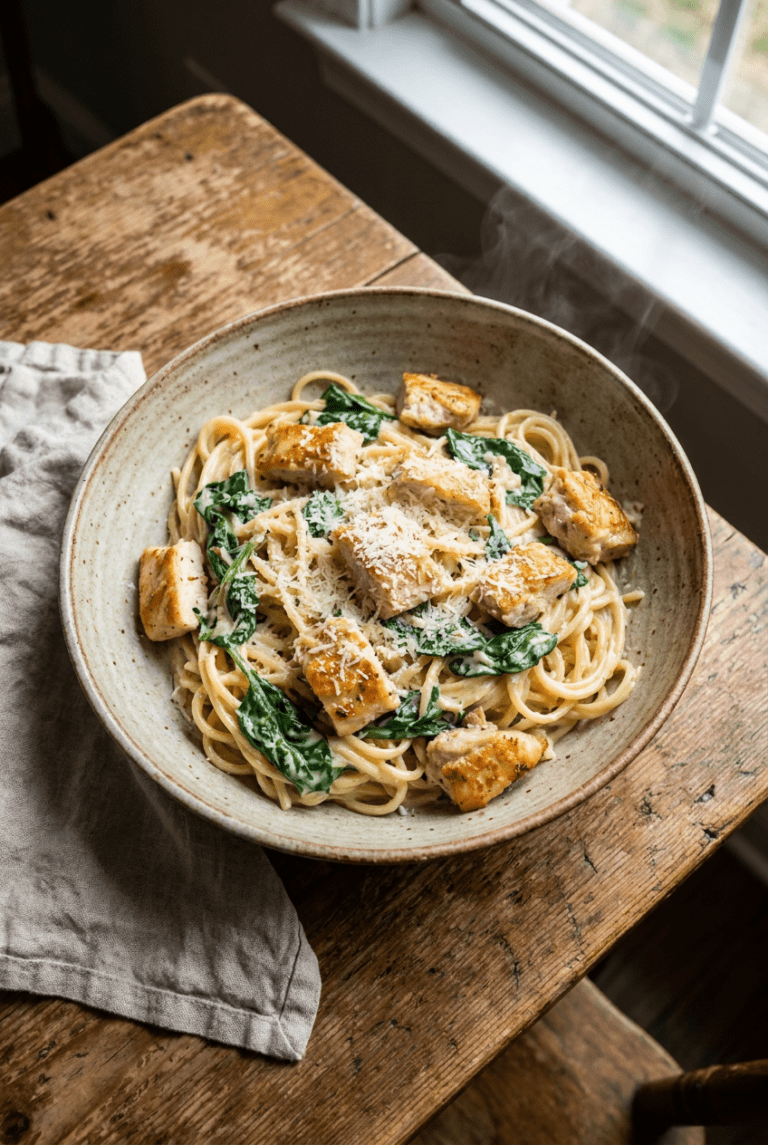
Classic Mongolian Beef Recipe, Easy Asian Dinner in 30 Minutes
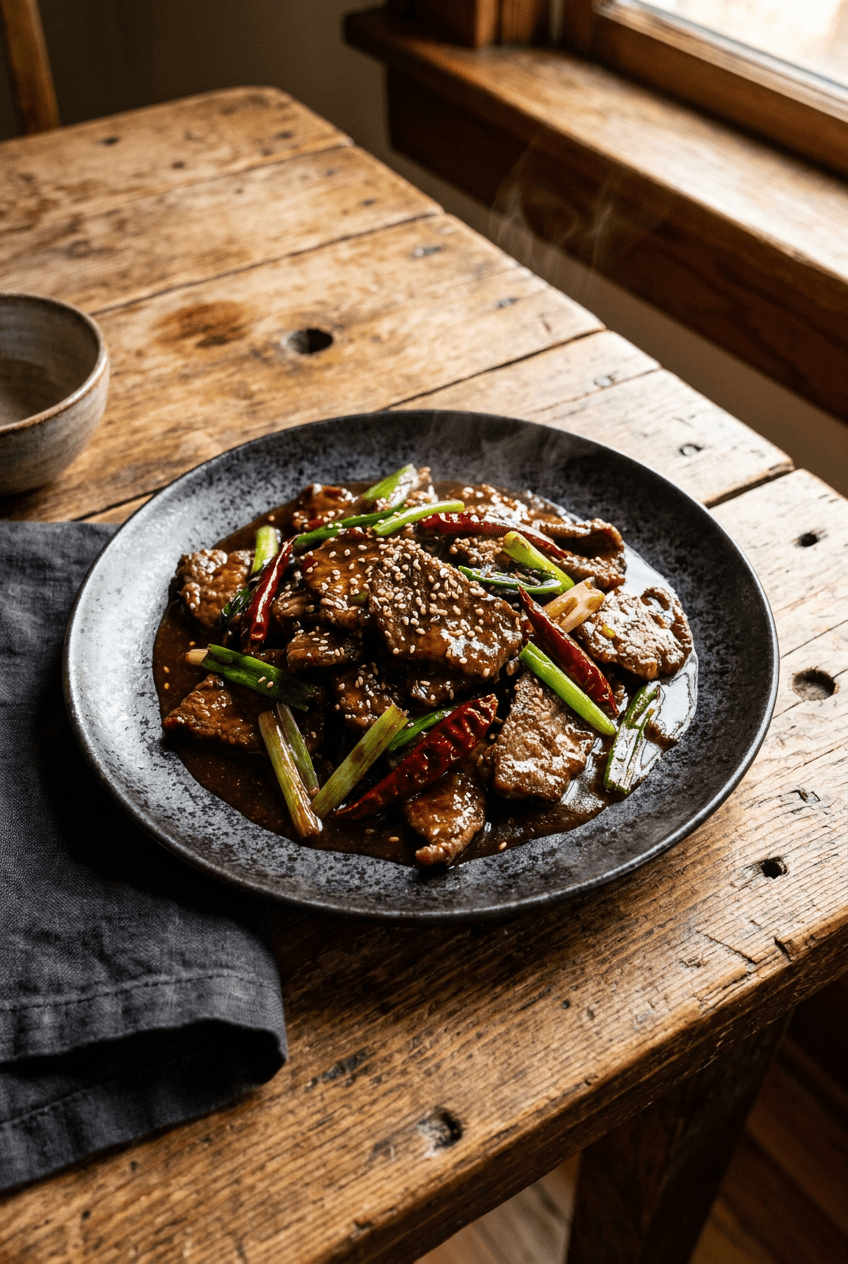
Table of Contents
- Classic Mongolian Beef: Tender strips of beef in a sweet-savory sauce that rivals your favorite takeout.
- Why You Will Love This Classic Mongolian Beef Recipe
- Your Simple Ingredients for the Perfect Classic Mongolian Beef
- How to Make Perfect Classic Mongolian Beef
- Pro Tips and Easy Variations for Your Classic Mongolian Beef
- Serving Suggestions
- Nutrition Information
- Storage and Make-Ahead Instructions
- Your Classic Mongolian Beef Questions Answered
- More Incredible Asian Recipes to Try
- The Story Behind This Recipe
- Pin This Recipe for Later
Classic Mongolian Beef: Tender strips of beef in a sweet-savory sauce that rivals your favorite takeout.
This classic Mongolian beef recipe holds a special place in my heart because it was the very first dish I ever learned to cook with a real wok. I still remember the sizzle of the beef hitting the hot oil, the way the kitchen filled with the sharp, sweet scent of ginger and soy. It was a frantic Tuesday evening, and I was determined to recreate that glossy, deeply savory takeout dish from our local Chinese restaurant. My first attempt was a disaster: the beef steamed instead of seared, the sauce was too salty, and the green onions had practically dissolved. But I kept at it, learning the secrets of a blazing hot pan and the importance of slicing against the grain. Now, whenever I need a dinner that feels both comforting and just a little bit special, this is the one I turn to. It is fast, unbelievably flavorful, and makes me feel like an absolute pro in my own kitchen.
What truly sets this homemade Classic Mongolian Beef apart from the countless recipes you see online is the perfect balance between the crisp sear on the beef and the way the sauce transforms into a shiny, sticky glaze. Too often, Mongolian beef can be overly sweet, with a one-note sugary punch that masks the meat. Here, we coat the flank steak in a light dusting of cornstarch and fry it in a screaming hot pan, achieving a delicate crust that grabs onto every drop of sauce. The sauce itself is wonderfully simple: low-sodium soy sauce, dark brown sugar for a molasses depth, and just a whisper of water to let the flavors marry without becoming syrupy. Fresh garlic and ginger are mandatory, they provide a bright, aromatic backbone that no powder can replicate. And the green onions, added in two stages, offer both a gentle, cooked sweetness and a fresh sharp finish. I often find myself thinking about a similar meal from my travels, perhaps something as soul-satisfying as a Moroccan chicken tagine in the way it brings people together around the table, but this dish is all about speed and punchy flavor.
This recipe is perfect for anyone who craves a weeknight meal that feels like a treat but doesn’t demand hours of prep. It is ideal for busy parents who want to put a winning dinner on the table in 30 minutes flat, for home cooks looking to build confidence with high-heat stir-frying techniques, and for college students who are tired of instant noodles but still need something affordable and quick. It shines at casual dinner parties too, served over a mound of steaming jasmine rice with a side of crisp stir-fried vegetables. Once you learn how to make Classic Mongolian Beef at home, you will find yourself reaching for this recipe on those evenings when you need a reliable, delicious result that never fails to impress.
Why You Will Love This Classic Mongolian Beef Recipe
- Incredibly fast and efficient. From the moment you start slicing the beef to the final garnish, you are looking at just about 30 minutes total. That means you can have a restaurant-quality dinner on the table faster than delivery would arrive.
- That perfect crispy yet tender texture. The beef gets a thin, almost fried coating from the cornstarch, which creates a delightful contrast with the soft, juicy interior. You will hear that initial crunch when you bite in, followed by the savory, melting tenderness of the perfectly seared meat.
- A sauce that is balanced, not cloying. Unlike some takeout versions that drown the beef in a sugary syrup, this sauce has a deep savory foundation from real soy sauce, a gentle sweetness from brown sugar, and a subtle nutty warmth from sesame oil. It coats each piece without being heavy.
- Totally customizable to your spice preference. The red pepper flakes are optional, so you can make it mild for the kids or crank up the heat until your lips tingle. You can even add a drizzle of chili crisp at the end for an extra layer of texture and spice.
- Made with simple, everyday ingredients. You likely already have soy sauce, brown sugar, garlic, and ginger in your pantry. The only special purchase might be the flank steak, and even that can be swapped for sirloin or skirt steak in a pinch.
- An easy Classic Mongolian Beef that tastes even better the next day. As the beef rests in the sauce overnight, the flavors deepen and meld, making it one of those rare meals that makes a phenomenal leftover lunch. I often make a double batch just so I can enjoy it twice.
Your Simple Ingredients for the Perfect Classic Mongolian Beef
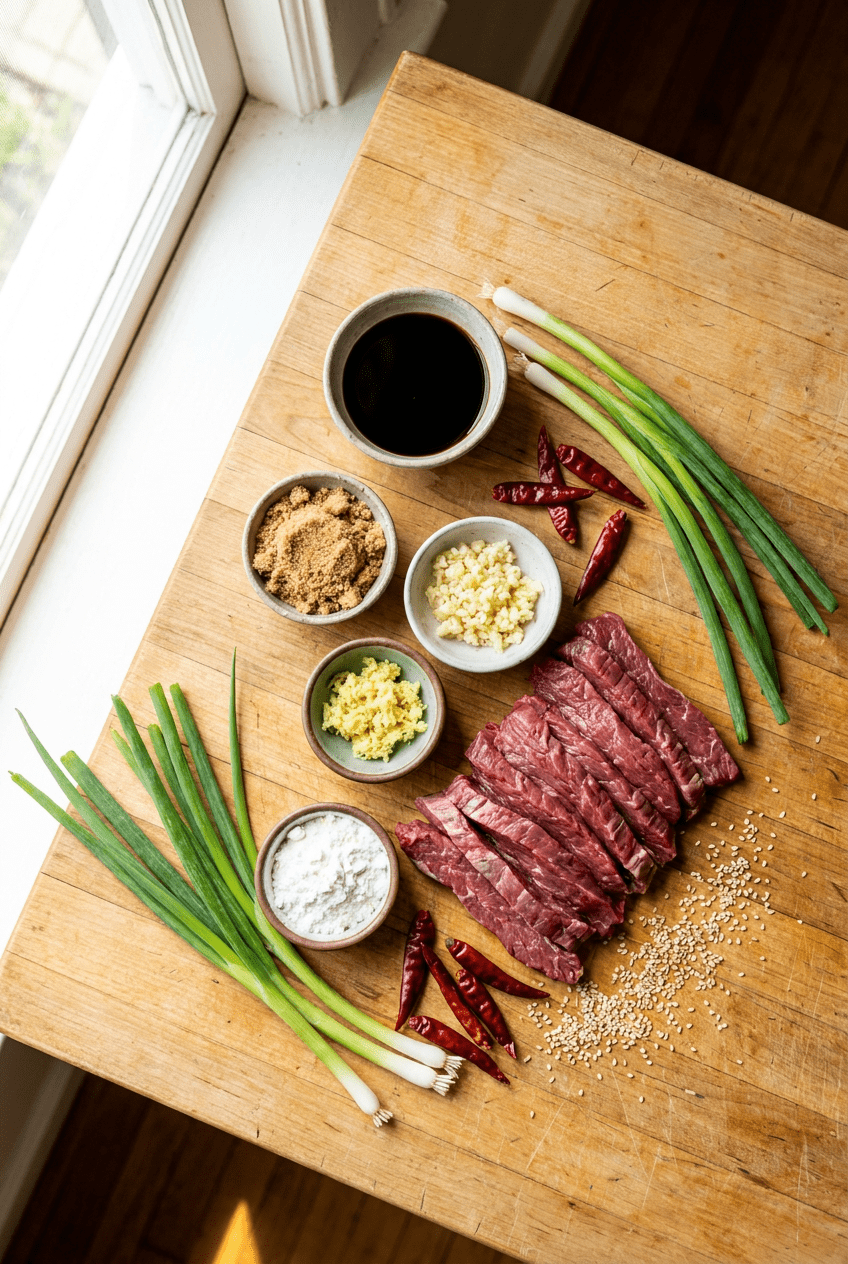
Main Ingredients
- 1 lb flank steak, thinly sliced against the grain
- 1/4 cup cornstarch
- 1/3 cup low-sodium soy sauce
- 1/4 cup packed brown sugar
- 1/4 cup water
- 4 cloves garlic, minced
- 2 tsp fresh ginger, minced
- 1/4 cup vegetable oil, divided
- 1 tsp sesame oil
- 8 stalks green onions, 6 cut into 2-inch pieces, 2 thinly sliced for garnish
- 1/2 tsp red pepper flakes, optional, for heat
Ingredient Notes
Flank steak is the traditional choice for a reason: it has a bold beefy flavor and a distinct long grain that, when sliced against the grain, results in exceptionally tender pieces. Look for a bright red steak with fine marbling. For easier slicing, pop it in the freezer for 20 minutes until it firms up. If you cannot find flank steak, skirt steak or sirloin tip work beautifully; just ensure you slice them as thinly as possible.
Cornstarch serves a dual purpose. It gives the beef a delicate, protective coating that crisps up when fried, and it later helps thicken the sauce to that glossy, clingy consistency. Do not skip it or substitute flour, as flour can become gummy and heavy. If you need a gluten-free option, be sure your cornstarch is certified gluten-free.
Low-sodium soy sauce allows you to control the saltiness of the final dish. Regular soy sauce can make the sauce overwhelmingly salty, especially as it reduces. If you only have regular soy sauce, reduce the amount slightly and adjust at the end. For a gluten-free version, use tamari.
Brown sugar brings a caramel-like depth that white sugar simply cannot. The molasses in the brown sugar complements the soy sauce and ginger, creating that signature sweet-savory profile. Pack it firmly into the measuring cup for the best result. Dark brown sugar gives an even deeper flavor if you have it.
Garlic and ginger are the aromatic soul of the dish. Freshly minced garlic and ginger are non-negotiable here; jarred or powdered versions will not deliver the same punch. The ginger should be peeled and finely minced so it melts into the sauce. These two ingredients are what give the dish that unmistakable restaurant perfume.
Green onions are used in two stages: the longer pieces cooked quickly in the sauce lend a mild, sweet onion flavor and a vibrant green color, while the thinly sliced raw garnish adds a fresh, peppery finish. You want crisp, firm green onions with no wilting. In a pinch, you can use scallions or spring onions.
Sesame oil is stirred in at the very end, off the high heat, to preserve its delicate toasty aroma. A little goes a long way. Toasted sesame oil is what you want, not the light variety used for frying.
Red pepper flakes are optional, and they offer a gentle, slow-building heat rather than a sharp kick. If you love spice, do not be shy; you can also add a sliced fresh chili or a spoonful of chili garlic sauce.
How to Make Perfect Classic Mongolian Beef
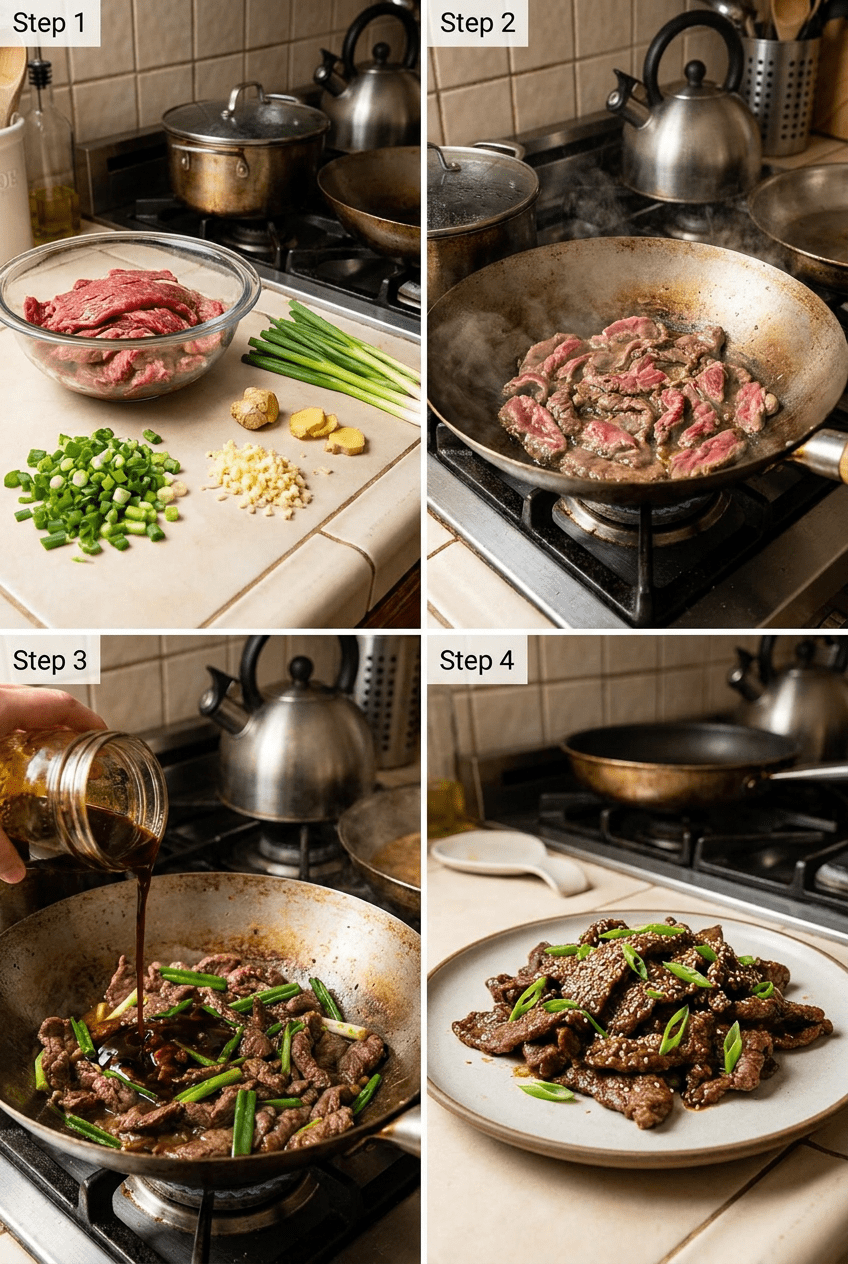
Step 1: Prepare the Beef
Place the thinly sliced flank steak in a bowl and toss it thoroughly with the cornstarch until every strip is evenly coated. Do not worry if it looks a bit powdery, this fine coating is what will transform into a light, crispy shell when it hits the hot oil. Let the beef sit at room temperature for about 10 minutes. This brief rest allows the cornstarch to adhere better and the meat to lose its refrigerator chill, which helps achieve a better sear. For easier slicing, freeze the steak for 20 minutes before cutting; a semi-frozen piece will yield paper-thin, uniform slices that cook evenly.
Step 2: Make the Sauce
In a small bowl, whisk together the low-sodium soy sauce, packed brown sugar, water, and red pepper flakes if you are using them. Stir until the sugar completely dissolves. Give the sauce a quick taste at this point, it should be a bold salty-sweet punch, but remember it will mellow slightly when it hits the hot pan. If it tastes too sharp, add a tiny pinch more sugar. Too sweet, a splash more soy sauce. This is your chance to make the best Classic Mongolian Beef recipe exactly to your liking. Set the sauce near the stove so it is ready when you need it.
Step 3: Sear the Beef
Place your largest skillet or wok over high heat. You want it smoking hot before you add any oil. Pour in 2 tablespoons of vegetable oil and swirl to coat the pan. Immediately add half of the beef, spreading the strips into a single layer without crowding. Cook for 1 to 2 minutes, resisting the urge to move them around. You will hear a lively sizzle and see the edges start to brown and crisp. Flip the pieces and cook the other side for another minute until the beef is browned all over and reaches an internal temperature of 145°F. Transfer the first batch to a clean plate, then add the remaining oil and repeat with the second batch. Do not overcrowd the pan; cooking in two batches guarantees a golden crust rather than steaming the meat.
Step 4: Cook the Aromatics
Reduce the heat to medium. In the same pan, which now holds a little residual oil and those delicious browned bits, add the minced garlic and ginger. Stir continuously for about 30 seconds. You will know the moment is right when the raw sharpness transforms into a sweet, floral fragrance that makes your whole kitchen smell incredible. Be careful not to let the garlic burn, as it will turn bitter. Move quickly to the next step once that aroma hits you.
Step 5: Combine and Glaze
Give the sauce mixture a quick stir and pour it into the pan. It will bubble and hiss pleasantly. Let it come to a simmer and cook for 1 minute, watching it begin to thicken and turn glossy. Now return the seared beef to the pan along with the 6 stalks of green onions cut into 2-inch pieces. Add the teaspoon of sesame oil. Toss everything together rapidly so each strip of beef gets coated in that sticky, savory glaze. If the sauce seems too thick to you, a splash of water will loosen it. If it looks thin, let it bubble for 30 seconds more. The whole process should take no more than 1 minute to heat everything through, keep it quick to preserve the crispness of the beef.
Step 6: Serve Immediately
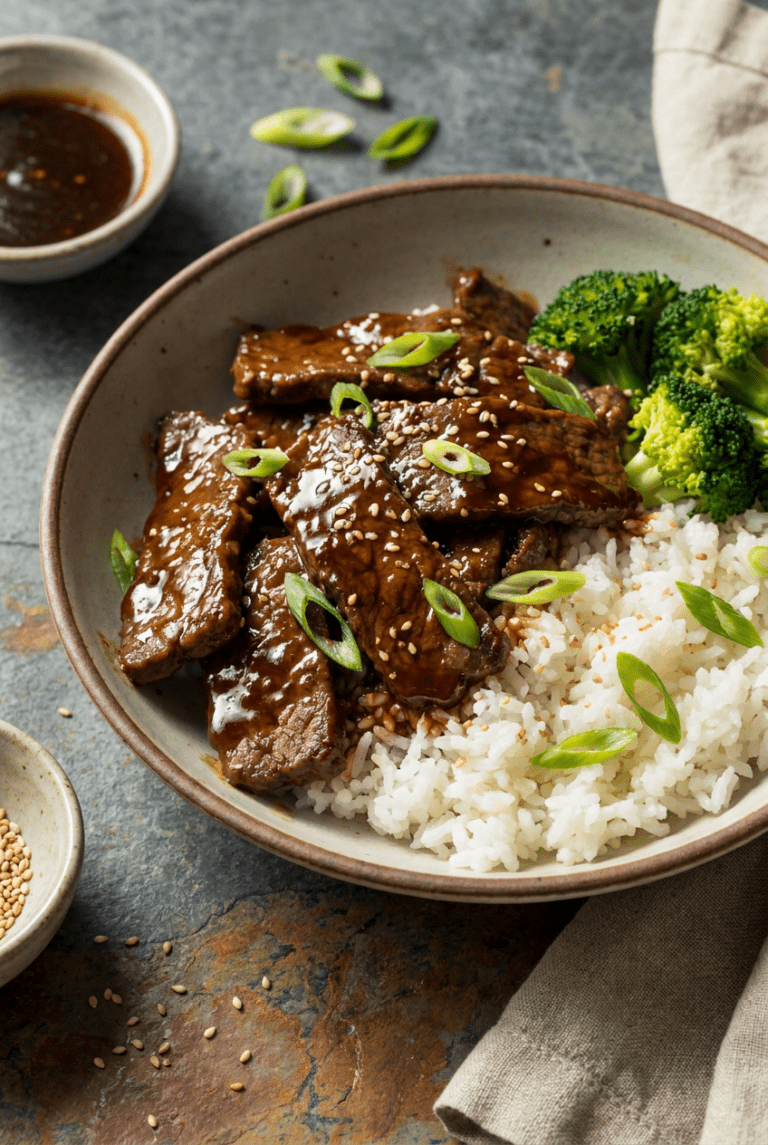
Transfer the glistening beef to a serving platter or right over bowls of steamed rice. Scatter the reserved thinly sliced green onions on top for a burst of fresh color and flavor. A sprinkle of sesame seeds adds a lovely visual touch if you have them. This dish is at its absolute best eaten right away while the beef is still hot and the sauce is warm and clingy. I promise you, after mastering this how to make Classic Mongolian Beef process, you will feel like your own personal chef.
Pro Tips and Easy Variations for Your Classic Mongolian Beef
Pro Tips
- Get your pan terrifyingly hot. A lukewarm pan will cause the beef to release its juices and stew. You want the oil to shimmer and nearly smoke before you add the meat. This is the single most important step for achieving that restaurant-style sear.
- Always slice flank steak against the grain. Look for the long muscle fibers running down the length of the steak and cut perpendicular to them. This shortens the tough fibers and results in melt-in-your-mouth tenderness. If you slice with the grain, you will end up with chewy, stringy beef no matter how high your heat is.
- Use fresh ginger and garlic, no shortcuts. The pre-minced jars often contain preservatives that dull their flavor. Fresh ingredients release essential oils into the hot oil, building the foundational flavor of the dish. Grate the ginger on a microplane if you want it to dissolve completely into the sauce.
- Do not skip the cornstarch coating. That powdery layer might seem insignificant, but it creates the signature light crust that gives the dish its texture. It also helps the sauce cling beautifully to every piece of beef later.
- Toast your sesame oil off the heat. Add the sesame oil at the very end, once the pan is off the flame or the heat is low. High heat destroys its delicate nutty perfume, and you want that flavor to remain vibrant in the finished dish.
- Taste the sauce before combining. Every brand of soy sauce has a different saltiness level. Adjust the brown sugar or add a splash of rice vinegar for brightness before you pour it into the pan, ensuring a perfectly balanced final glaze.
Delicious Variations
- Spicy Mongolian Beef. Double the red pepper flakes and add a tablespoon of sambal oelek or chili garlic paste to the sauce mixture. For an extra kick, stir in a drizzle of chili oil just before serving.
- Chicken Mongolian. Substitute thinly sliced boneless, skinless chicken breast or thighs for the beef. Sear as directed, ensuring the chicken reaches 165°F. The dish will be just as flavorful with a slightly lighter texture.
- Vegetable-loaded Mongolian Beef. During the last minute of cooking, toss in a handful of sugar snap peas, thin bell pepper strips, or broccoli florets. They will absorb the sauce and add a beautiful crunch and extra nutrients.
- Tofu Mongolian. Press and cube extra-firm tofu, dust with cornstarch, and pan-fry until golden and crisp. Follow the same sauce and aromatics process. This makes a wonderful plant-based weeknight dinner.
- Crispy Sweet-and-Sour Mongolian Beef. Replace the brown sugar with an equal amount of pineapple juice and a tablespoon of ketchup for a tangier twist that still clings beautifully to the beef.
As much as I adore this savory dish, there are mornings when I crave something entirely different yet equally comforting, like a stack of fluffy Japanese souffle pancakes for a special brunch. The contrast between a savory dinner and a pillowy sweet breakfast is one of the joys of home cooking.
Serving Suggestions for a Perfect Dinner
This classic Mongolian beef recipe pairs beautifully with simple, fluffy steamed jasmine rice, which soaks up every drop of the glossy sauce. For a low-carb option, serve it over cauliflower rice or a bed of shredded lettuce for a fresh, crunchy contrast. To complete the meal, I love to add a side of quickly stir-fried bok choy with garlic, a cucumber salad with a light rice vinegar dressing, or steamed broccoli tossed in a touch of sesame oil. For drinks, a crisp lager or a glass of iced jasmine tea cuts through the richness wonderfully. When I host friends, I present the dish on a large platter with a sprinkle of sesame seeds and extra green onions, and I always make extra because people inevitably go back for seconds.
This is the kind of dinner that works for any night of the week, but it also feels special enough for a small celebration. It scales brilliantly; simply double the ingredients and cook the beef in multiple batches to keep the pan hot. For a crowd, set up a DIY bowl station with rice, the beef, and an array of toppings like shredded carrots, crisp wonton strips, and a drizzle of sriracha mayo. It turns a simple stir-fry into a fun, interactive meal that everyone can customize.
Nutrition Information
(Approximate per serving, 4 servings total) Calories: 380, Fat: 16g, Carbohydrates: 32g, Protein: 27g, Fiber: 1g, Sugar: 18g, Sodium: 780mg. Nutritional values are estimates only.
Storage and Make-Ahead Instructions
- Refrigerator: Store leftovers in an airtight container for up to 4 days. The sauce will thicken slightly as it cools, but the flavors will only improve. The beef may lose some of its initial crispness, but it will still be deliciously tender.
- Freezer: For longer storage, place the cooled beef in a freezer-safe container or heavy-duty zip-top bag. Freeze for up to 3 months. Thaw overnight in the refrigerator before reheating.
- Reheating: For the best texture, reheat the beef in a skillet over medium heat, adding a splash of water if the sauce looks too thick. You can also microwave individual portions for about 2 minutes, stirring halfway through, until steaming hot.
- Make-Ahead: Slice the beef and mince the garlic and ginger up to a day in advance. Store them separately in the fridge. Mix the sauce ingredients together and keep it chilled. When ready to cook, simply toss the beef with cornstarch and proceed with the recipe. The dish comes together so fast that you can have a homemade Classic Mongolian Beef dinner on the table in about 15 minutes of active cooking.
Your Classic Mongolian Beef Questions Answered
Can I make this dish ahead of time?
You can certainly prepare the components ahead. Slice the beef and store it with the cornstarch coating up to 8 hours in advance in the fridge. The sauce can be mixed and refrigerated overnight. However, for the very best texture, cook the beef just before serving to preserve that crispy sear. Leftovers reheat well, as the flavors meld, so cooking it entirely ahead is also fine.
What is the best cut of beef if I can’t find flank steak?
Sirloin steak, skirt steak, or even tri-tip are excellent substitutes. The key is to choose a lean, flavorful cut and slice it thinly against the grain. Ribeye works too if you want a more luxurious, marbled version, though it will be richer.
How do I make this recipe gluten-free?
Use tamari instead of soy sauce, as it is traditionally brewed without wheat. Also, ensure that your cornstarch is labeled certified gluten-free, as some brands may have cross-contamination. The rest of the ingredients are naturally gluten-free.
Why did my beef turn out tough and chewy?
Two common culprits cause tough beef: slicing with the grain instead of against it, and overcooking. Flank steak has long muscle fibers; slicing perpendicular to them shortens those fibers. Also, the sear should be quick, just a couple of minutes per side, to avoid turning the meat rubbery.
Can I use powdered ginger or garlic in a pinch?
I strongly advise against it. Fresh aromatics are the backbone of this dish’s bright, punchy flavor. Powdered versions will taste muted and slightly dusty, and they will not create the same fragrant base. However, if you are truly desperate, use half the amount, but the result will not be the same classic experience.
What can I do if my sauce is too thin or too thick?
If the sauce is too thin after adding the beef, let it simmer uncovered for an extra minute to reduce and concentrate. If it becomes too thick, stir in a tablespoon of water at a time until it reaches the desired consistency. Remember, the sauce will thicken further as it cools slightly.
Can I double this recipe for a crowd?
Absolutely. Double all ingredients, but cook the beef in batches, no more than half a pound at a time, to ensure the pan stays hot and the beef sears rather than steams. You may need a little extra oil. The sauce can be doubled directly and simmered in the same pan.
Is this dish actually Mongolian?
The dish we know as Mongolian beef is an American Chinese creation, likely inspired by the stir-frying techniques and flavor profiles of northern Chinese cooking, not traditional Mongolian cuisine. It gained popularity in Taiwanese and Chinese-American restaurants, and now it is a beloved staple worldwide.
How can I make this less sweet?
Reduce the brown sugar to 2 tablespoons and add a splash of rice vinegar or a little more soy sauce to balance the flavors. You can also use coconut aminos instead of soy sauce for a less sweet and slightly milder taste.
Can I use a different oil for frying?
Any neutral, high-smoke-point oil works beautifully. Canola, peanut, or grapeseed oil are excellent choices. Avoid olive oil, as its low smoke point and strong flavor are not suitable for the high heat required in this recipe.
More Incredible Asian Recipes to Try
If you loved making this best Classic Mongolian Beef recipe from scratch, your kitchen is about to become your favorite spot for Asian-inspired dinners. One dish that shares that same soul-satisfying, aromatic quality is a fragrant, slow-simmered stew that fills the house with spice and warmth, perfect for a cozy evening. The deep, layered flavors of a traditional tagine might seem worlds away, but the principle of balancing sweet and savory with tender meat is a universal truth in cooking.
For those mornings or brunches when you want to switch gears entirely, a stack of impossibly airy, jiggly pancakes can be a delightful project that feels like pure magic. The same patient attention to detail you used to sear the perfect beef applies to whipping egg whites to glossy peaks. And if you crave something that walks the line between breakfast and dessert, blueberry lemon ricotta pancakes bring a creamy, bright lift to your table. Each of these recipes, from a vibrant Moroccan chicken tagine to a delicate souffle pancake, celebrates the joy of making restaurant-quality food at home with simple, honest ingredients.
The Story Behind This Classic Mongolian Beef
Despite its name, Mongolian beef does not actually come from Mongolia. The dish as we know it today was developed in the 1950s in Taiwan, where chefs adapted northern Chinese cooking styles for local ingredients and tastes. Thinly sliced beef, quickly fried and coated in a savory-sweet soy-based sauce, mimicked the flavors of Mongolian barbecue, a style of cooking that supposedly emerged from the grilling traditions of nomadic warriors. Over time, the recipe traveled to Chinese-American restaurants across the United States, evolving into the sticky, deeply caramelized version we love today.
What I find so fascinating is how this dish represents the beautiful way recipes travel and transform. It takes its name from a landscape of open fire and meat, but it has become a symbol of comfort and quick weeknight cooking in kitchens thousands of miles away. My own recipe is an homage to that journey, simplified for home cooks but still holding onto the essence of that original sizzling, glossy creation. When I make it, I feel connected to a long line of cooks who knew that a hot pan, a bit of sugar, and some soy sauce can create something truly memorable.
Pin This Classic Mongolian Beef Recipe for Later
Love this recipe? Save it to your favorite Pinterest board so you can find it again easily. Share it with friends and family who would enjoy making it too.
I truly hope this easy Classic Mongolian Beef becomes a regular part of your dinner rotation. There is something so deeply satisfying about hearing that sizzle and inhaling the aroma of ginger and garlic as you toss everything together. I would love to hear how it turned out for you in the comments below, and whether you added any of your own favorite twists. Did you pile on extra vegetables, or maybe discover a new favorite beef cut? I read every story and can’t wait to hear about your kitchen adventures.
Classic Mongolian Beef
Ingredients
Method
- Toss the sliced flank steak with cornstarch in a bowl until evenly coated. Let it sit for 10 minutes while you prepare the sauce.
- In a small bowl, whisk together the soy sauce, brown sugar, water, and red pepper flakes if using. Set aside.
- Heat 2 tablespoons of vegetable oil in a large skillet or wok over high heat. Add half the beef in a single layer and cook for 1-2 minutes per side until browned and crispy, ensuring the beef reaches an internal temperature of 145°F (63°C). Transfer to a plate. Repeat with remaining oil and beef.
- Reduce heat to medium. In the same pan, add the garlic and ginger and stir-fry for 30 seconds until fragrant.
- Pour the sauce mixture into the pan and bring to a simmer. Let it bubble for 1 minute to thicken slightly. Return the beef to the pan along with the 6 stalks of green onions (cut into 2-inch pieces) and sesame oil. Toss everything together until well coated and heated through, about 1 minute.
- Transfer to a serving platter and garnish with the reserved sliced green onions and sesame seeds if desired. Serve hot over steamed jasmine rice.
Disclosure: This post may contain affiliate links. If you purchase through our links we may earn a small commission at no extra cost to you.
If you made this Classic Mongolian Beef, please leave a comment below and let me know how it turned out.