Quick Korean Ground Beef Bowl Recipe, Easy Korean Dinner in 25 Minutes
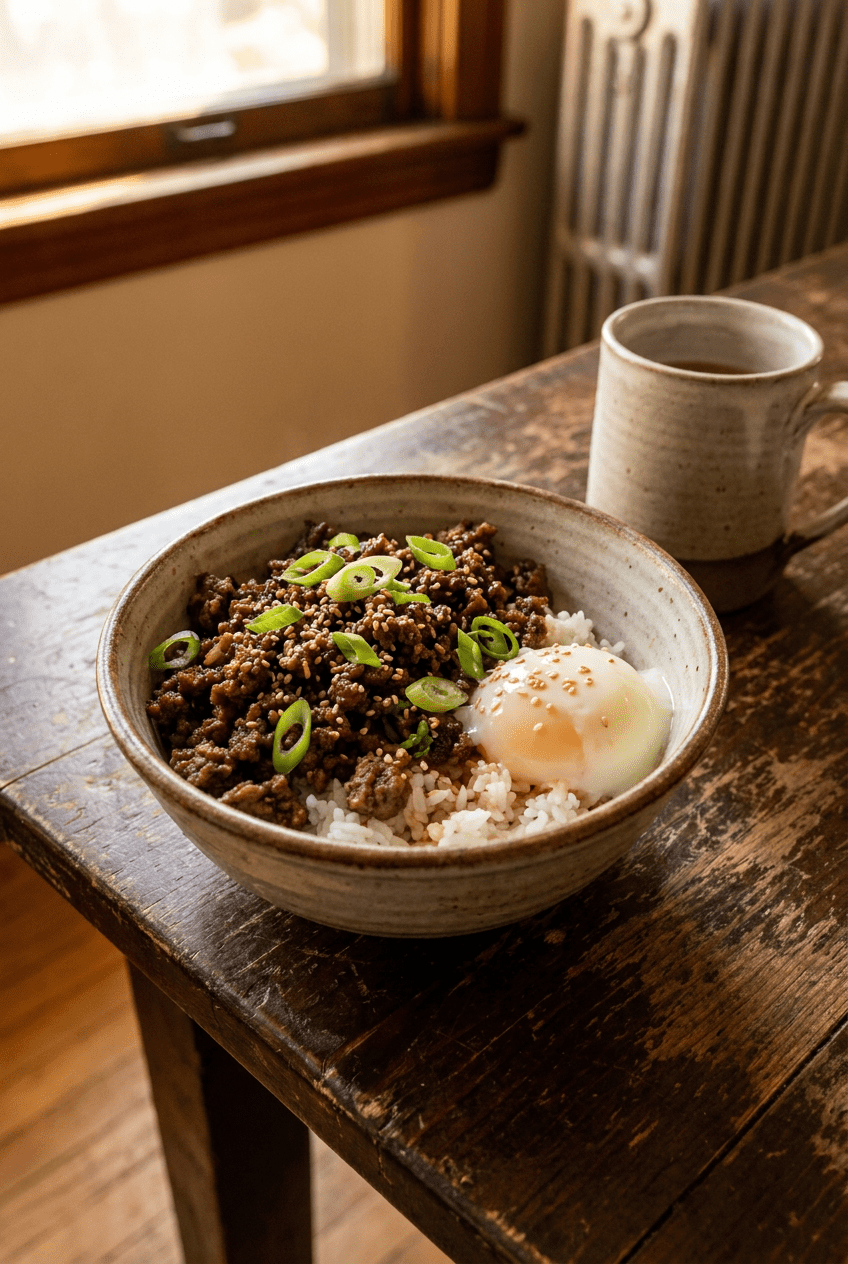
Table of Contents
- Quick Korean Ground Beef Bowl: This savory-sweet Korean ground beef comes together in just 20 minutes for a flavor-packed weeknight dinner
- Why You Will Love This Quick Korean Ground Beef Bowl Recipe
- Your Simple Ingredients for the Perfect Quick Korean Ground Beef Bowl
- How to Make Perfect Quick Korean Ground Beef Bowl
- Pro Tips and Easy Variations for Your Quick Korean Ground Beef Bowl
- Serving Suggestions
- Nutrition Information
- Storage and Make-Ahead Instructions
- Your Quick Korean Ground Beef Bowl Questions Answered
- More Incredible Korean Recipes to Try
- The Story Behind This Recipe
- Pin This Recipe for Later
Quick Korean Ground Beef Bowl: This savory-sweet Korean ground beef comes together in just 20 minutes for a flavor-packed weeknight dinner
This quick korean ground beef bowl recipe is the kind of dinner that saves my sanity on those evenings when the clock seems to sprint toward bedtime and everyone in the house is hungry right now. I still remember the first time I made it, standing at the stove while my toddler tugged at my pant leg and my phone buzzed with work emails. The scent of garlic and ginger hitting the hot sesame oil instantly quieted the chaos, filling the kitchen with a warmth that promised something deeply satisfying. In less time than it takes to order delivery, I had a glossy, mahogany-hued pile of beef that tasted like it had been marinating for hours, not minutes. That moment sealed it as a permanent resident in our weeknight rotation, and I suspect it will do the same for you.
What sets this quick korean ground beef bowl recipe apart from other speedy dinners is the way the sauce caramelizes around the crumbled meat, creating tiny crispy edges that burst with salty, sweet, and nutty notes. The technique is deceptively simple: you whisk together a few pantry staples, brown the beef until no pink remains, then let the sauce bubble and reduce until it coats every morsel in a sticky shine. There is no lengthy marinating, no special equipment, just a hot skillet and a little patience as the sugars transform into the kind of caramel that makes you want to eat it straight from the pan. This recipe also builds layers of flavor by stirring in half the green onions at the very end so they wilt slightly but retain their fresh bite, while the rest are reserved for a bright finish.
I wrote this recipe for anyone who needs a meal that feels like a hug from the inside but does not demand hours of prep. It is perfect for busy parents, students juggling exams and internships, or anyone who simply wants to bring bold Korean-inspired flavors to the table on a random Tuesday. Scale it up for a casual get-together or make a double batch and stash half in the freezer for a meal that waits patiently until you need it. If you are a fan of dishes that balance sweet and savory with an undercurrent of spice, this one belongs on your regular menu. And if you also love taking on a more involved weekend project, our fluffy Japanese souffle pancakes make a wonderful lazy morning treat once the weekday rush subsides.
Why You Will Love This Quick Korean Ground Beef Bowl Recipe
- Incredibly fast and efficient. From the moment you pull the skillet from the cupboard to the time you set the bowls on the table, you are looking at about 25 minutes, and most of that is hands-off simmering. This recipe genuinely fits into the narrow window between after-school activities and bedtime stories.
- Pantry-friendly ingredients. Soy sauce, brown sugar, sesame oil, garlic, and ginger form the backbone of the sauce, ingredients you probably already have tucked in the fridge or cupboard. There is no need for a special trip to an Asian grocery store, though a wander down those aisles is always inspiring.
- Deeply satisfying flavor. The savory umami from the soy sauce, the gentle heat of the ginger, the nutty sesame oil, and the caramelized brown sugar create a taste that hits every single craving. It is bold but not overwhelming, and the optional red pepper flakes let you control the warmth.
- Family-friendly and adaptable. This dish lands in that magical zone where kids ask for seconds and adults pile it onto rice with extra kimchi. If someone at your table is spice-averse, simply omit the red pepper flakes, the sauce is still rich and full of character.
- Perfect for meal prep. You can cook a large batch on Sunday and portion it into containers for lunches throughout the week. The flavors actually deepen overnight, making Tuesday’s bowl even more delicious than Monday’s.
- Lighter than takeout. Because you are controlling the ingredients, you skip the excess oil and sugar that sometimes weighs down restaurant versions. Using lean ground beef and low-sodium soy sauce keeps it feeling wholesome without sacrificing an ounce of flavor.
Your Simple Ingredients for the Perfect Quick Korean Ground Beef Bowl
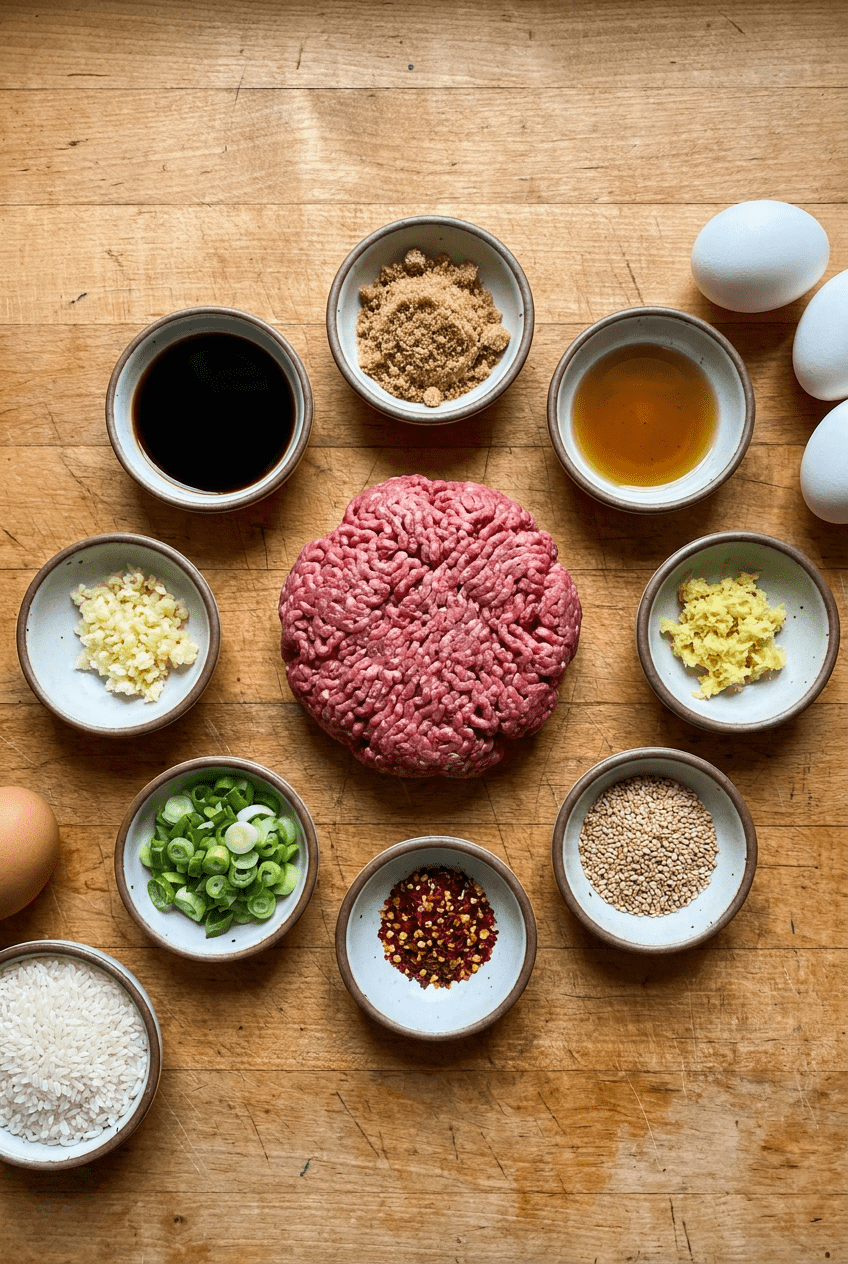
Main Ingredients
- 1 lb lean ground beef (90% lean)
- 1/4 cup low-sodium soy sauce
- 3 tablespoons brown sugar (packed)
- 2 tablespoons sesame oil
- 4 cloves garlic, minced
- 1 teaspoon fresh ginger, grated
- 1/2 teaspoon red pepper flakes (optional)
- 4 green onions, thinly sliced (divided)
- 1 tablespoon sesame seeds, toasted, for garnish
Ingredient Notes
Ground Beef. Lean ground beef, 90% lean or even 93%, works best here because it reduces the amount of fat you need to drain while still leaving enough richness to carry the sauce. If you use beef with a higher fat content, be sure to drain it thoroughly so the final dish is not greasy. You can also substitute ground chicken, turkey, or crumbled extra-firm tofu for a different protein option, though cooking times will vary slightly.
Low-Sodium Soy Sauce. This is the backbone of the sauce, bringing a deep savory saltiness without making the dish overly salty. Regular soy sauce can be used in a pinch, but reduce the amount by about half a tablespoon and taste before adjusting. For a gluten-free version, swap in tamari and confirm that all other ingredients are certified gluten-free.
Brown Sugar. Brown sugar adds sweetness and, more importantly, helps the sauce caramelize into that glossy coating. The molasses in brown sugar gives a subtle depth that white sugar cannot replicate. If you prefer a less sweet result, you can cut the sugar to 1 tablespoon and increase the soy sauce by 1 tablespoon to keep the balance.
Sesame Oil. A little sesame oil goes a long way, lending its distinctive nutty aroma and flavor. Use toasted sesame oil, not light sesame oil, for the best result. If you are out, you might use a neutral oil for cooking and add a sprinkle of toasted sesame seeds at the end, but the unique character will be missed.
Garlic. Four cloves might seem like a lot, but once cooked, the garlic mellows into a sweet, savory undertone. Mincing it finely ensures it distributes evenly and does not burn in large chunks. Jarred minced garlic can stand in, use about 2 teaspoons worth.
Fresh Ginger. Grated fresh ginger provides a bright, slightly spicy warmth that cuts through the richness of the beef. The fresher the ginger, the better the zing. If you only have ground ginger, start with 1/4 teaspoon, though the sauce will lack that lively edge.
Red Pepper Flakes. This is your heat dial. A half teaspoon gives a gentle background warmth that even spice-sensitive eaters usually enjoy. For a truly mild version, leave them out entirely. For more fire, increase to a full teaspoon or add a drizzle of gochujang when you serve.
Green Onions. Dividing them is key. The first half stirred in at the end wilts slightly and infuses the beef with a mild oniony freshness. The second half scattered on top adds a crisp, vibrant pop of color and a sharp contrast to the rich meat.
Sesame Seeds. Toasted sesame seeds add a nutty crunch and a visual cue that this dish is finished. Toasting them in a dry skillet for a minute or two until golden transforms their flavor dramatically, so do not skip this quick step.
How to Make Perfect Quick Korean Ground Beef Bowl
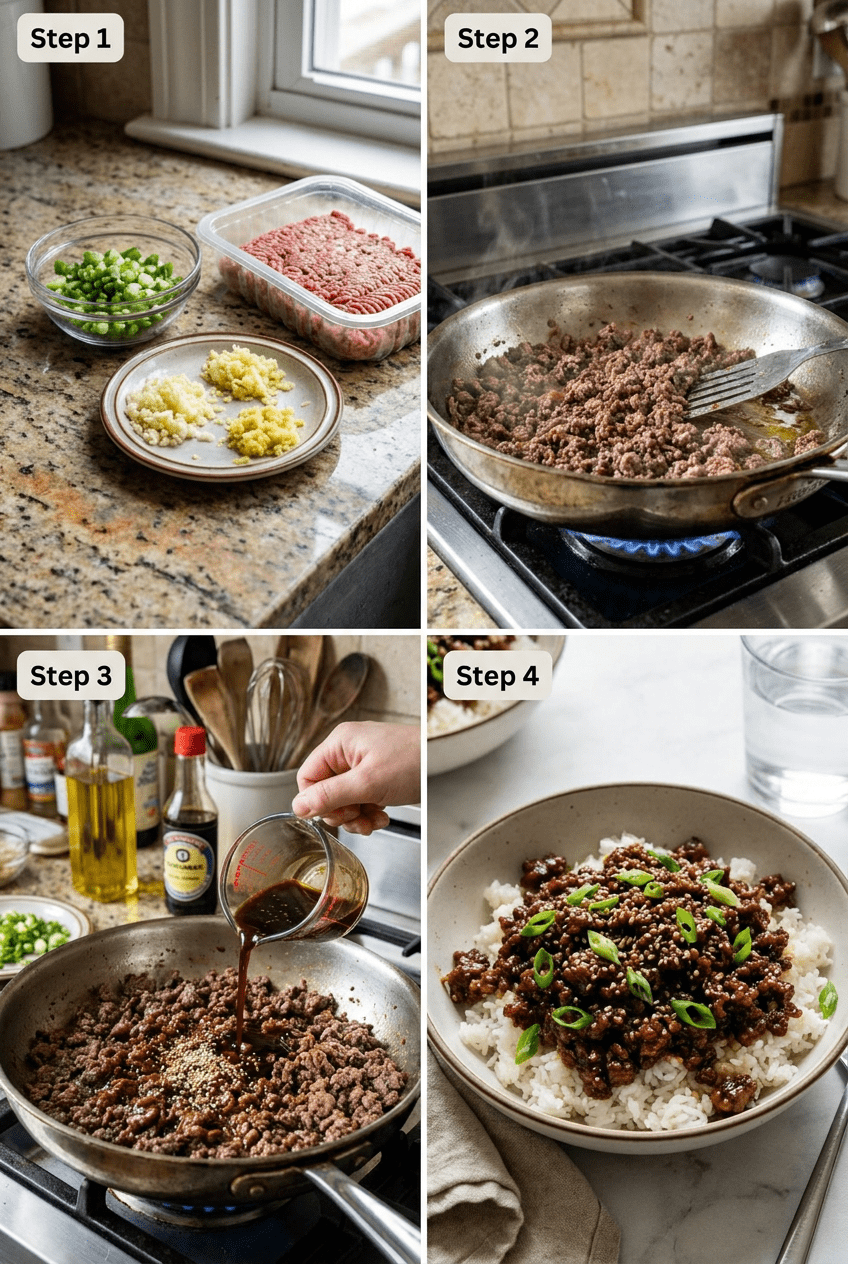
Step 1: Mix the Sauce
In a small bowl, whisk together the soy sauce, brown sugar, sesame oil, minced garlic, grated ginger, and red pepper flakes if you are using them. Stir until the brown sugar mostly dissolves and the ingredients become a thin, fragrant mixture. You will notice the garlic and ginger immediately perfume the oil, and that smell is your first hint of how good this meal will be. If you like a slightly thicker sauce that clings to the beef more intensely, now is the moment to whisk in a slurry of 1 teaspoon cornstarch with 1 tablespoon cold water until smooth. Set the bowl within arm’s reach of the stove.
Step 2: Brown the Beef
Place a large skillet or wok over medium-high heat and let it get hot before adding anything. Crumble in the lean ground beef and use a wooden spoon or spatula to break it into small pieces. As it cooks, you will hear a lively sizzle and see the meat shift from bright red to brown. Stir occasionally to ensure even cooking, and cook until no pink remains and an instant-read thermometer touches 160°F (71°C), usually about 5 to 6 minutes. If a lot of liquid fat pools in the pan, carefully tilt the skillet and spoon out most of it, but leaving a thin coating adds flavor and helps the sauce adhere later.
Step 3: Add Sauce and Caramelize
Pour the prepared sauce evenly over the browned beef. Stir to coat every crumble, then let the mixture come to a gentle bubble. Cook for 2 to 3 minutes, stirring occasionally, as the sauce reduces and begins to cling to the meat. Watch for the moment when the liquid transforms from runny to syrupy and develops a glossy sheen that makes the beef look almost lacquered. The sugars will start to caramelize, so stay close and reduce the heat if you smell any hint of burning. This is the critical stage where the flavors concentrate, very much like the careful heat control you would use when aiming for a beautifully set blueberry lemon ricotta pancakes that are golden but never scorched.
Step 4: Finish and Serve
Remove the skillet from the heat. Immediately stir in half of the sliced green onions, which will soften just a bit from the residual heat while keeping their fresh crunch. Spoon the beef over bowls of steamed rice and scatter the remaining green onions on top along with a generous sprinkling of toasted sesame seeds. If you want to elevate the bowl further, slide a fried egg on top so the yolk breaks and creates a silky sauce. The contrast of hot beef, cool fresh onions, and the nutty seeds is pure comfort.
Pro Tips and Easy Variations for Your Quick Korean Ground Beef Bowl
Pro Tips
- Toast sesame seeds in a dry pan. Place the seeds in a cold skillet, turn the heat to medium, and shake the pan gently until they turn golden and release a fragrant nutty aroma. This simple step intensifies their flavor far more than using them raw, and the whole process takes about two minutes.
- Do not overcook the caramelizing sugar. Once you add the sauce, set a timer for two minutes and watch for the glossy shine. If the pan gets too hot and the sauce starts to darken quickly or smell acrid, pull it off the heat immediately. Burnt sugar tastes bitter and will ruin the batch.
- Add a splash of rice vinegar or mirin. A tablespoon of either at the end of cooking lifts the entire dish, cutting through the sweetness and adding a subtle tang that makes the flavors sparkle.
- Double the recipe and freeze half. This meal freezes beautifully, so while you have the skillet dirty, make a second batch. Let it cool completely, then portion into freezer-safe bags. Later, you will thank yourself on a night when cooking feels impossible.
- Use freshly grated ginger. Pre-minced jars of ginger lose their punch quickly. Keep a knob of ginger in the freezer and grate it straight from frozen with a microplane, it is easy and the flavor stays bright and sharp.
- Cook eggs correctly for safety. If you add a fried egg, cook it until both the white and the yolk are firm if you are serving young children, pregnant women, or anyone with a compromised immune system.
Delicious Variations
- Spicy gochujang version. Whisk 1 to 2 tablespoons of gochujang into the sauce for a deep, fermented chili heat that builds slowly and pairs beautifully with the caramelized beef. This is my husband’s favorite way to eat it, and the color becomes an even richer brick red.
- Leaner turkey or chicken option. Replace the ground beef with ground turkey or chicken. Because poultry is leaner, add 1 teaspoon of vegetable oil to the skillet before cooking to prevent sticking and promote browning.
- Vegetable-packed bowl. While the beef browns, toss in a cup of finely diced carrots or thinly sliced bell peppers. They soften and soak up the sauce, adding color and extra nutrients without demanding another pan.
- Lettuce wrap style. Skip the rice and spoon the beef into crisp butter lettuce leaves, topped with a drizzle of ssamjang and a few thin slices of fresh cucumber. This turns the meal into a refreshing appetizer or a light dinner.
- Extra saucy rendition. Double the sauce ingredients if you love lots of liquid to soak into your rice. You may need to cook it a minute longer to reach that syrupy consistency. If you are in the mood for a completely different aromatic dinner, our Moroccan chicken tagine fills the kitchen with spices that are equally transporting.
Serving Suggestions for a Perfect Dinner
A steaming bowl of this beef over jasmine rice is already a complete meal, but a few thoughtful additions turn it into a spread that feels special. I love to set out small dishes of kimchi, sautéed spinach with a touch of sesame, and quick-pickled carrots for everyone to customize their bowl. The cool, fermented crunch of kimchi against the warm, sweet beef is a combination that keeps me going back for more. For a truly classic Korean bibimbap experience, place a fried egg with a still-runny yolk on top and let it cascade over the beef when you break it with your chopsticks. A drizzle of sriracha mayo or a spoonful of gochujang mixed with a little sesame oil makes a sauce that ties everything together.
This recipe was built for busy weeknights, but it also shines at casual dinner parties when you set up a DIY bowl bar. Double or triple the recipe, keep the beef warm in a slow cooker on the low setting, and surround it with rice, crisp shredded lettuce, julienned radish, and stacks of nori sheets. Guests can assemble their own creations, and the meal becomes an interactive, low-stress gathering. It also travels well for potlucks, just bring the beef in one container and rice in another, and provide a sprinkle of fresh green onions and sesame seeds for a last-minute flourish.
Nutrition Information
(Approximate per serving, 4 servings total) Calories: 320, Fat: 18g, Carbohydrates: 14g, Protein: 24g, Fiber: 0g, Sodium: 780mg. Nutritional values are estimates only.
Storage and Make-Ahead Instructions
- Refrigerator: Place cooled beef in an airtight container and store in the fridge for up to 4 days. The flavors meld further, making it even better the next day. The texture remains tender, though the glossy coating may thin slightly upon reheating.
- Freezer: Transfer completely cooled beef to a freezer-safe bag or container, press out excess air, and freeze for up to 3 months. Thaw overnight in the refrigerator before reheating for the best texture.
- Reheating: Microwave in 30-second bursts, stirring between each, until heated through, about 2 minutes total. You can also reheat in a skillet over medium heat with a splash of water to revive the sauce.
- Make-Ahead: You can mix the sauce up to 3 days ahead and keep it in a sealed jar in the refrigerator. Slice the green onions and toast the sesame seeds in advance, storing them separately. Everything comes together in the final minutes of cooking.
Your Quick Korean Ground Beef Bowl Questions Answered
Can I use a different protein?
Yes, ground chicken, turkey, pork, or even crumbled extra-firm tofu all work beautifully. Adjust the cooking time as needed, poultry should reach an internal temperature of 165°F (74°C), and tofu just needs to be warmed through and coated.
How do I make it less sweet?
Reduce the brown sugar to 1 tablespoon and increase the soy sauce by 1 tablespoon to maintain the saucy balance. You can also add a teaspoon of rice vinegar at the end to introduce some tang and offset the sweetness.
Is this dish gluten-free?
To make it gluten-free, use tamari instead of soy sauce and verify that all other packaged ingredients, especially the sesame oil and any optional additions like gochujang, are certified gluten-free. The recipe otherwise contains no gluten.
How do I know when the beef is cooked properly?
Use an instant-read thermometer: ground beef should reach 160°F (71°C). Visually, there should be no pink remaining, and the crumbles should be firm and separate. If you are substituting poultry, cook to 165°F (74°C).
Can I make this ahead for meal prep?
Absolutely. Cook the beef completely, let it cool, and portion it into containers with rice and any toppings that store well. Reheat within 4 days from the fridge or freeze for longer storage. It is one of the most reliable meal prep recipes in my rotation.
What if I do not have sesame oil?
Sesame oil provides a signature nutty flavor that is hard to replicate. In a pinch, use a neutral oil like vegetable or canola for cooking and add 1 teaspoon of toasted sesame seeds and a small drizzle of melted butter for some richness, but I recommend picking up a bottle soon as it is a pantry staple for good reason.
How can I make it spicier?
Increase the red pepper flakes to 1 teaspoon, or stir in 1 to 2 tablespoons of gochujang with the sauce. For table-side heat, serve with a side of kimchi or a drizzle of chili crisp oil.
Can I double this recipe?
Yes, and I often do. Use a larger skillet or cook in two batches to avoid overcrowding, which would steam the beef instead of browning it. The sauce scales up perfectly, and the extra freezes wonderfully.
How should I serve it for toddlers?
My little one enjoys it deconstructed: I set aside a portion of plain browned beef before adding the sauce, then mix a tiny amount of sauce in so it is not overpowering. Serve with rice and soft steamed vegetables. The mild sweetness often wins over even picky eaters.
My sauce turned out watery, what did I do wrong?
You likely did not let it bubble and reduce long enough. Next time, cook over medium-high heat until the sauce visibly thickens and coats the back of a spoon. Adding the optional cornstarch slurry also ensures a velvety cling.
More Incredible Korean Recipes to Try
If the deep, savory notes of this quick Korean ground beef bowl captured your heart, you are on the brink of a whole world of Korean-inspired dinners that come together with similar ease. Classic bulgogi, made with thinly sliced beef marinated in a soy and pear puree, delivers that same sweet-salty harmony and can be grilled in minutes. For a comforting one-bowl meal, bibimbap invites you to arrange colorful sautéed vegetables, a fried egg, and your protein of choice over warm rice, then stir everything together with a spoonful of gochujang. The beauty lies in its flexibility, you can use whatever vegetables you have on hand.
Another quick favorite is Korean-style spicy pork, which uses gochujang as the central ingredient for a fiery, sticky stir fry that pairs perfectly with crisp lettuce wraps. If you are in the mood for something crispy, oven-baked Korean chicken wings glazed with a gochujang honey sauce satisfy that crunch craving without a vat of oil. Each of these recipes shares the same core principle: bold, balanced flavors created from simple ingredients that you can adapt to your family’s preferences, just like this ground beef bowl.
The Story Behind This Quick Korean Ground Beef Bowl
This dish does not come with centuries of tradition in a single form, but rather it is a modern love letter to bulgogi, the iconic Korean grilled beef that my grandmother used to make for family gatherings. Her version required hours of marinating thinly sliced ribeye in a blend of soy sauce, pear juice, garlic, and sesame oil, then careful charring over a tabletop grill. On busy weeknights, that kind of time commitment was a luxury I simply did not have, so I began experimenting with ground beef as a shortcut. The result surprised me: the high surface area of the crumbles accepted the sauce differently, creating a quicker, more intensely coated bite that scratched the same flavor itch.
Over the years, I have tweaked this recipe based on feedback from friends and my own children, dialing back the sugar just slightly, boosting the ginger,
Quick Korean Ground Beef Bowl
Ingredients
Method
- In a small bowl, whisk together soy sauce, brown sugar, sesame oil, minced garlic, grated ginger, and red pepper flakes (if using). Set aside.
- Heat a large skillet or wok over medium-high heat. Add the ground beef and cook, breaking it into crumbles, until no longer pink and the internal temperature reaches 160°F (71°C), about 5-6 minutes. Drain any excess fat.
- Pour the sauce over the beef and stir to coat. Cook for 2-3 minutes, allowing the sauce to bubble and slightly caramelize, coating the meat beautifully.
- Remove from heat, stir in half of the sliced green onions. Serve immediately over steamed rice, garnished with remaining green onions and a sprinkle of sesame seeds.
Disclosure: This post may contain affiliate links. If you purchase through our links we may earn a small commission at no extra cost to you.
If you made this Quick Korean Ground Beef Bowl, please leave a comment below and let me know how it turned out.