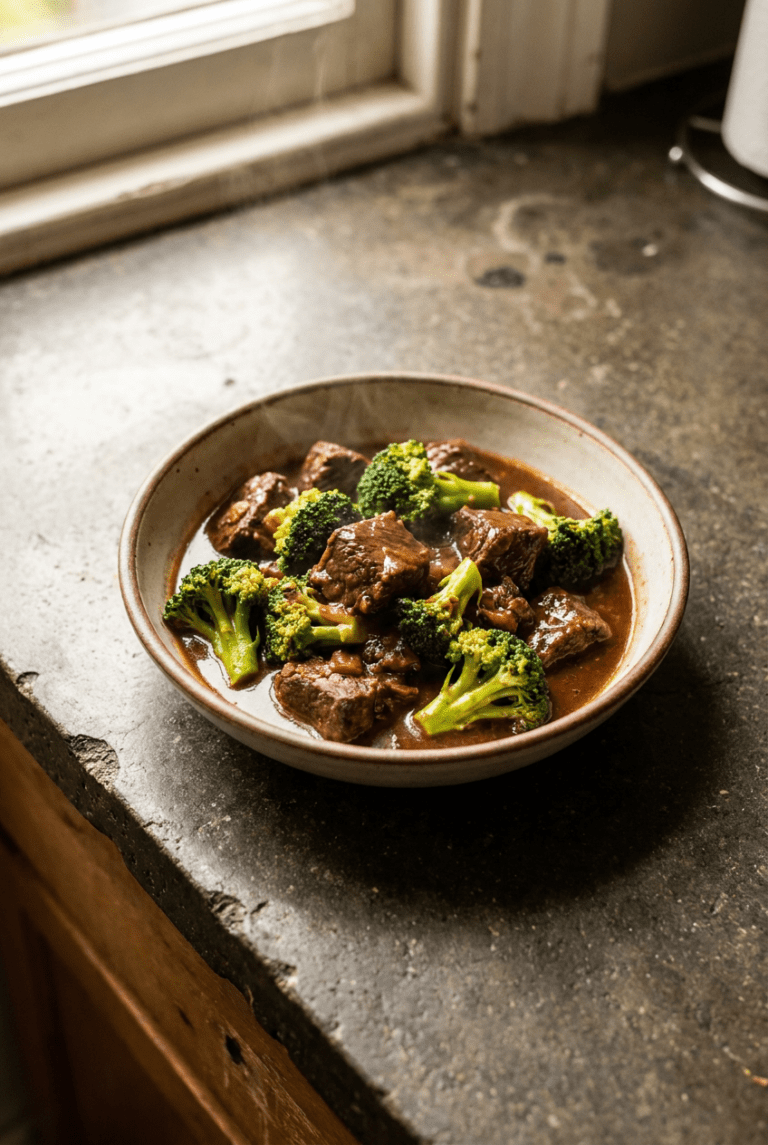
Beef Tataki with Citrus Ponzu Recipe, Easy Japanese Dinner in 35 Minutes
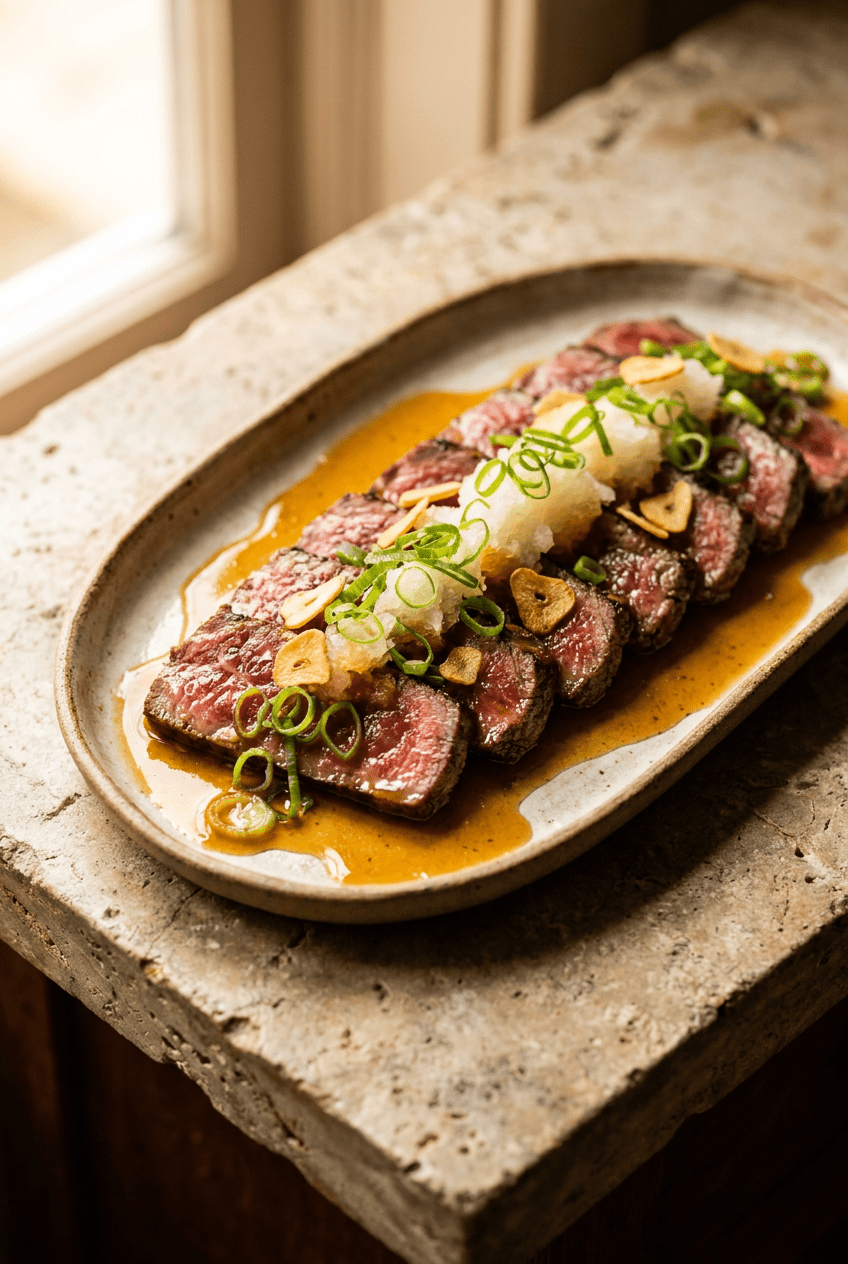
Table of Contents
- Beef Tataki with Citrus Ponzu: Perfectly seared, medium-rare beef sliced thin and drizzled with a bright, tangy citrus-soy sauce for an elegant yet effortless dish.
- Why You Will Love This Beef Tataki with Citrus Ponzu Recipe
- Your Simple Ingredients for the Perfect Beef Tataki with Citrus Ponzu
- How to Make Perfect Beef Tataki with Citrus Ponzu Recipe
- Pro Tips and Easy Variations for Your Beef Tataki with Citrus Ponzu
- Serving Suggestions for a Perfect Dinner
- Nutrition Information
- Storage and Make-Ahead Instructions
- Your Beef Tataki with Citrus Ponzu Questions Answered
- More Incredible Japanese Recipes to Try
- The Story Behind This Recipe
- Pin This Recipe for Later
Beef Tataki with Citrus Ponzu Recipe: Perfectly seared, medium-rare beef sliced thin and drizzled with a bright, tangy citrus-soy sauce for an elegant yet effortless dish.
This beef tataki with citrus ponzu recipe has become my go-to answer whenever someone asks me for a dinner party showstopper that takes very little active time. The first time I made it was for a small gathering of friends on a warm summer evening. I wanted something that felt special without keeping me in the kitchen all night. I remember pulling the chilled, seared beef from the fridge, slicing it into jewel-like rounds, and watching everyone lean in as I drizzled the glossy ponzu over the top. The silence that followed, broken only by the clink of chopsticks, told me this dish was a keeper. There is something about the contrast between the deeply caramelized crust, the cool velvety rare center, and that zippy citrus-soy sauce that makes every bite feel both indulgent and refreshing. It is the kind of recipe that looks like it belongs in a sleek Japanese restaurant but comes together with just a handful of ingredients you likely already have in your pantry.
What sets this version apart from other tataki recipes is the thoughtful balance of technique and patience. Instead of relying solely on a quick sear and a plunge into ice water, I guide the beef to a gentle oven finish, which removes any guesswork around doneness while still preserving that prized rosy interior. The ponzu itself is completely homemade, brightened with fresh lemon and orange juice rather than bottled concentrates. You will notice the difference immediately. It is brighter, rounder, and has a subtle sweetness from mirin that plays beautifully against the savory soy sauce. The sauce comes together in under five minutes, and letting it sit while you finish the beef allows the garlic and ginger to bloom into something deeply aromatic. This recipe is also extremely reliable. If you follow the temperature guidelines, you will get a perfect medium-rare center every single time, with a crust that crackles slightly under your knife. I also love that you can make the entire dish hours ahead, which makes it a fantastic choice for entertaining or for a busy weeknight when you want something that feels like a treat. If you enjoy the balance of delicate texture and bold flavor in things like fluffy Japanese souffle pancakes, you will appreciate how this savory counterpart plays with similar contrasts in its own way.
This is the perfect dish for anyone who loves high-impact meals with minimal fuss. Maybe you are a home cook looking to expand your Japanese repertoire without diving into complicated sushi rolling or hours-long ramen broths. Maybe you are planning a date night menu and want something that feels impressive but lets you actually sit down and enjoy the meal. Or perhaps you are simply craving a light yet protein-packed dinner that comes together in about 35 minutes of hands-on time, with the rest happening passively in the fridge. I have served this as a main course alongside steamed rice and a cucumber salad, as a stunning appetizer on a sharing platter with pickled ginger, and even sliced it thin and tucked it into crisp lettuce cups for a low-carb alternative. No matter how you present it, the bright ponzu and the buttery beef make it feel like a celebration. And once you have this beef tataki with citrus ponzu recipe in your back pocket, you will find yourself looking for excuses to make it again and again.
Why You Will Love This Beef Tataki with Citrus Ponzu Recipe
- Incredibly fast and efficient active time. From start to finish you are looking at about 35 minutes, but the actual hands-on work is under 20 minutes. The oven and fridge do the rest, which means you can easily prepare other parts of your meal while the beef rests and chills.
- Restaurant-quality results with simple equipment. You only need a trusty cast-iron skillet, a sharp knife, and a digital thermometer to produce a dish that looks and tastes like it came from a professional kitchen. There is no special grill or torching required, just straightforward, high-heat searing and a short oven roast.
- The ponzu sauce is a total revelation. Unlike store-bought versions that can taste one-note and overly salty, this homemade citrus ponzu is fresh, aromatic, and customizable. The combination of lemon, orange, soy sauce, and mirin hits every note you want: salty, sweet, tangy, and savory, all at once.
- Make-ahead friendly for stress-free hosting. The whole seared and cooked beef can be made a full day ahead, chilled, and then sliced right before serving. This gives you the most precious gift when entertaining: time to actually be with your guests instead of stuck in the kitchen.
- Naturally elegant and visually striking. When you fan out those thin slices with their deep brown edges and pink centers, then drizzle the glossy sauce over the top, it looks incredibly impressive. The scallions and sesame seeds add color and texture, making it a feast for the eyes before anyone takes a bite.
- Versatile for many occasions and dietary needs. It works as a light main dish, a hearty appetizer, or even a showy addition to a party spread. It is naturally gluten-free if you use tamari, and it is low in carbohydrates, making it suitable for several eating styles without sacrificing flavor.
Your Simple Ingredients for the Perfect Beef Tataki with Citrus Ponzu
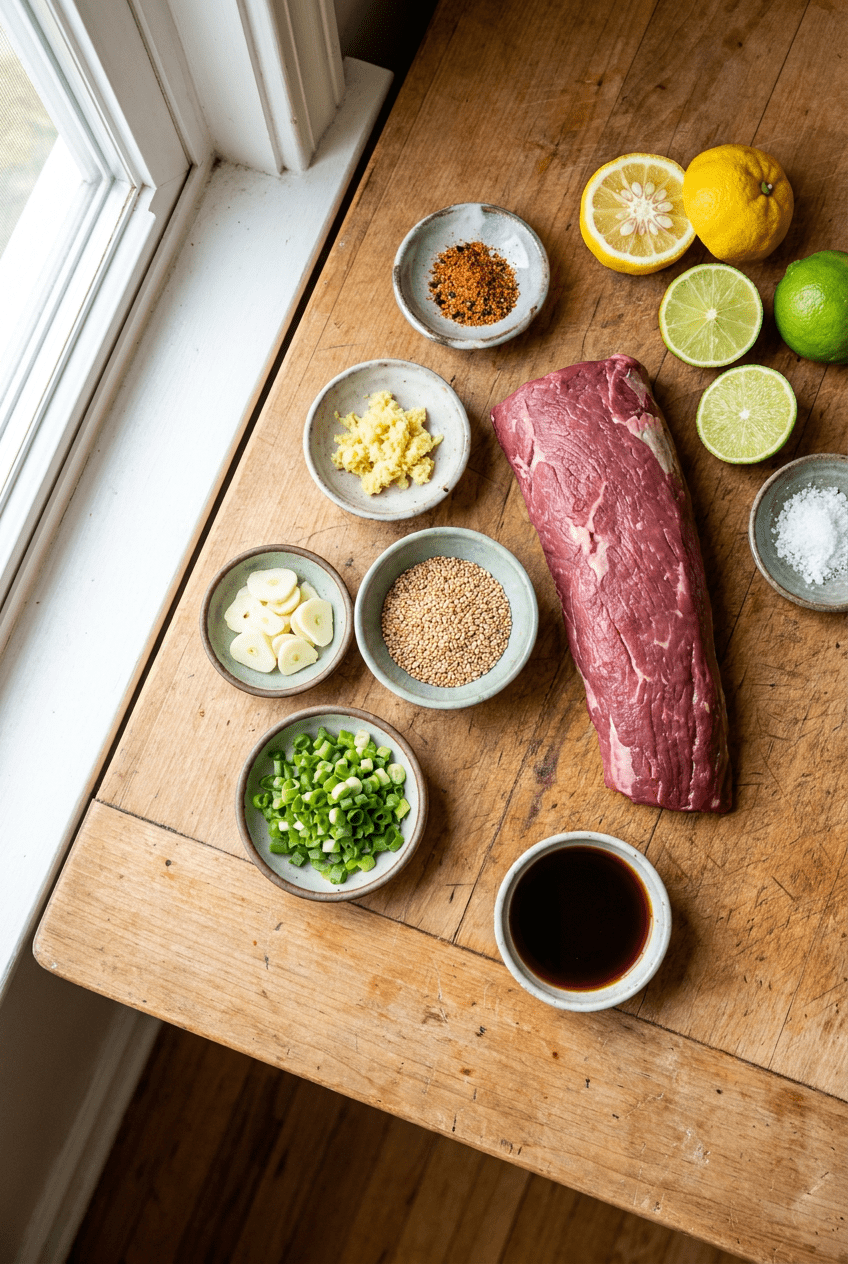
Main Ingredients
- 1 lb beef tenderloin, center-cut, well-trimmed, in one piece
- 1/2 tsp kosher salt
- 1/4 tsp black pepper, freshly ground
- 1 tbsp neutral oil (vegetable or canola)
- 2 scallions, thinly sliced for garnish
- 1 tsp toasted white sesame seeds, for garnish
Citrus Ponzu Sauce
- 3 tbsp soy sauce (or tamari for gluten-free)
- 2 tbsp fresh lemon juice
- 2 tbsp fresh orange juice
- 1 tbsp mirin (sweet rice wine)
- 1 tsp sugar
- 1 clove garlic, minced
- 1 tsp fresh ginger, grated
Ingredient Notes
Beef tenderloin is the ideal cut for tataki because it is exceptionally tender, lean, and has a uniform shape that sears and roasts evenly. Look for a center-cut piece that is as cylindrical as possible, with minimal fat and no chain muscle attached. If your butcher can trim it for you, even better. You can substitute with New York strip, ribeye cap, or even a thick sirloin, but you will want to tie any irregular pieces with kitchen twine to create a more even cylinder. The key is a shape that allows you to get a nice crust on all sides and then slice into uniform rounds. Avoid pre-cut steaks because they are too thin to develop a deep sear without overcooking the interior.
Kosher salt and freshly ground black pepper are the only seasonings on the beef itself, and they do a tremendous amount of work. The salt draws out a little surface moisture, which helps the Maillard reaction during searing, and it penetrates just enough to season the outer rim of the meat. Use kosher salt because its large, irregular flakes are easier to control than fine table salt. For the pepper, grinding it fresh from whole peppercorns gives a more complex, aromatic warmth that pre-ground pepper simply cannot match.
Neutral oil like vegetable or canola is essential for the high-heat sear because it has a high smoke point and won’t impart any competing flavors. Avoid olive oil here, as it can burn and turn bitter at the temperatures we need. You want the oil to shimmer and almost smoke before the beef goes in, which creates that deep brown crust quickly without the meat sticking.
Soy sauce forms the savory backbone of the ponzu. For the best flavor, use a naturally brewed Japanese-style soy sauce, which has a more nuanced umami depth than some quick-brewed alternatives. Tamari is a wonderful gluten-free option that tends to be slightly richer and less sharp. The citrus juices shine brightest when they are freshly squeezed. Lemon juice brings a sharp, clean brightness, while orange juice rounds it out with a mellow, natural sweetness. Bottled juice will work in a pinch, but the sauce will lose a bit of that vibrant, fresh-from-the-garden character. Mirin is a sweet rice wine that adds a subtle gloss and gentle sweetness without being syrupy. You can find it in the Asian aisle of most grocery stores. If you absolutely cannot find it, a mix of dry white wine with a pinch of sugar can stand in. Sugar just helps dissolve and balance the sharp edges of the citrus and soy. Garlic and ginger are used fresh, not powdered, because their raw punch mellows quickly in the sauce and adds a gentle background warmth that ties everything together.
How to Make Perfect Beef Tataki with Citrus Ponzu Recipe
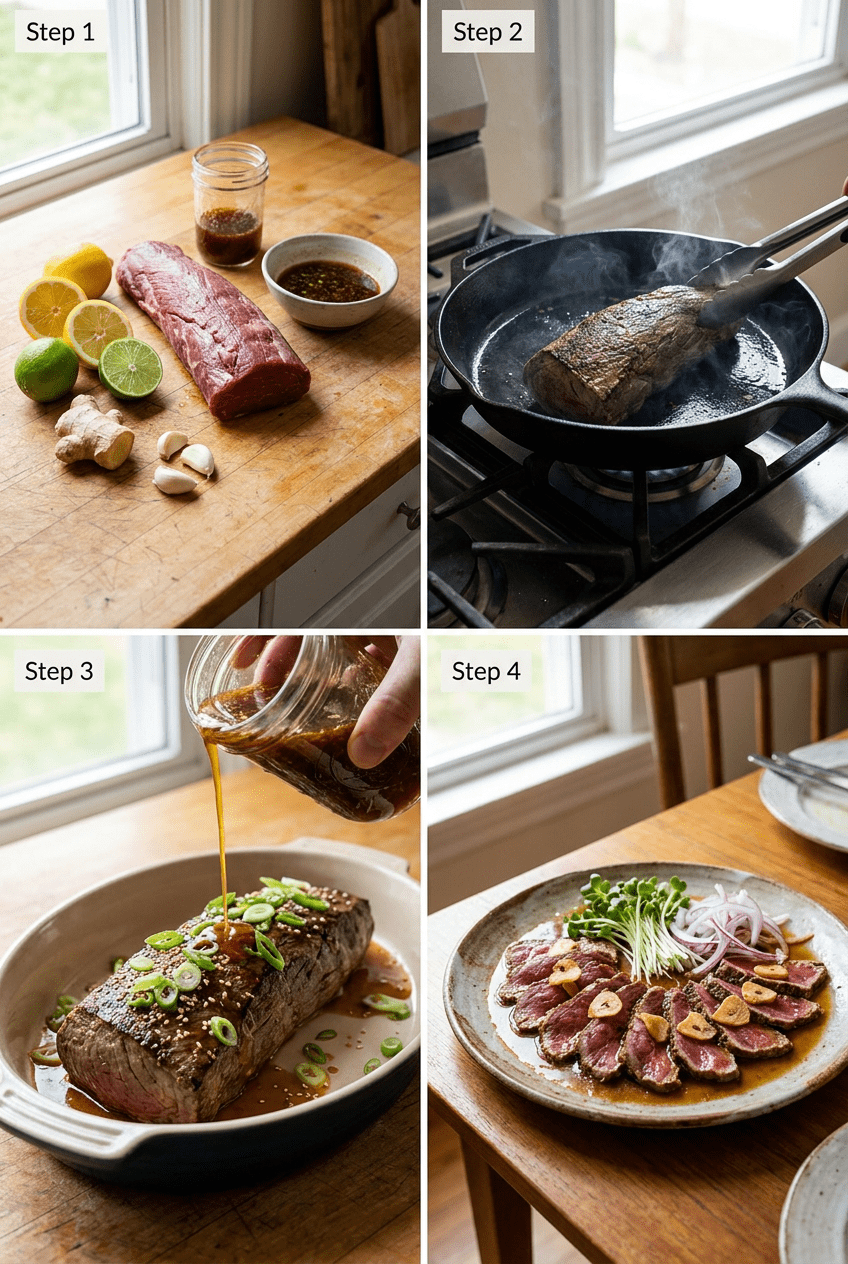
Phase 1: Sear and cook the beef to a safe, juicy medium-rare
Begin by bringing your oven to 400°F (200°C) and placing a rack in the center position. While the oven heats, take the beef tenderloin out of its packaging and pat it completely dry with paper towels. This step is non-negotiable. Any surface moisture will steam the meat when it hits the hot pan instead of searing it, and you will lose that deep, caramelized crust we are after. Once dry, season the beef generously and evenly on all sides with the kosher salt and black pepper, using your hands to press the seasonings gently into the meat. Next, place a cast-iron skillet or another heavy, oven-safe pan over high heat and let it get very hot. You want the pan surface to reach around 450°F before you add the oil. If you have an infrared thermometer, this is a great time to use it. Add the neutral oil and swirl to coat the pan. You will see the oil shimmer and thin out almost immediately. Carefully lay the beef into the pan and do not move it for a full minute. You should hear a vigorous sizzle and see a brown ring starting to creep up the sides. After 1 minute, use tongs to turn the beef to the next side. Sear each of the four long sides for approximately 1 minute each, until a deep, even brown crust forms all around. The smell at this stage will be intoxicating, rich and meaty with a hint of toasted pepper. Once all sides are seared, transfer the skillet directly to the preheated oven. Roast until an instant-read thermometer inserted into the thickest part of the center registers 145°F (63°C), which should take about 15 to 20 minutes depending on the exact thickness of your cut. This temperature ensures the beef is safely cooked to USDA standards for whole cuts while keeping the interior beautifully pink and tender. Remove the skillet from the oven and immediately transfer the beef to a clean plate or cutting board. Let it rest for 3 full minutes. During this time the internal temperature will even out and the juices will settle. You may notice a small amount of clear liquid pooling around the meat, which is exactly what you want.
Phase 2: Cool, chill, and slice with precision
After the brief 3-minute rest, let the beef cool at room temperature for 10 minutes, loosely uncovered. This step is important because you do not want to trap excess heat and condensation in plastic wrap, which can make the crust soggy. Once it is just warm to the touch, wrap the beef tightly in a layer of plastic wrap and place it in the refrigerator. You need to chill it for at least 2 hours, or overnight if you are preparing ahead. Chilling firms up the meat dramatically, making it possible to slice wafer-thin, clean rounds rather than ragged, mushy pieces. If you find yourself short on time, you can pop the wrapped beef in the freezer for about 20 minutes instead. The goal is a firm but not frozen texture. When you are ready to serve, unwrap the beef and place it on a clean cutting board. Use your sharpest, thinnest knife, ideally a slicer or a long chef’s knife. Look for the direction of the muscle fibers running along the length of the meat. You will slice across the grain, meaning perpendicular to those fibers, into pieces about 1/4 inch thick. This shortens the muscle strands and makes each bite remarkably tender. As you slice, you will see the contrast between the dark seared edge, the thin gray ring, and the vibrant pink center. It is an absolutely gorgeous sight.
Phase 3: Make the citrus ponzu sauce
While the beef chills, you have the perfect window to whip up the ponzu sauce. In a small mixing bowl, combine the soy sauce, fresh lemon juice, fresh orange juice, mirin, sugar, minced garlic, and grated ginger. Use a fork or a small whisk to gently stir everything together until the sugar fully dissolves and the garlic and ginger are evenly dispersed. Taste the sauce immediately. It will be sharp and lively, with the ginger and garlic standing out a bit prominently. Let it sit at room temperature for at least 10 minutes, which is enough time for the raw edge of the aromatics to mellow and the flavors to marry into a seamless, balanced sauce. If you prefer a perfectly smooth consistency, you can pour the sauce through a fine-mesh strainer before serving, pressing on the solids to extract every last bit of flavor. I usually leave it as is for a more rustic, spoonable texture. The brightness of the citrus and the deep umami of the soy create a sauce that wakes up your whole palate. You can prepare this sauce up to a day ahead and keep it covered in the refrigerator. Just bring it to room temperature before using so the flavors are fully expressive. In terms of technique, this entire process shares a similar spirit of gentle precision with dishes like Moroccan chicken tagine, where a handful of thoughtful steps build remarkable depth.
Phase 4: Plate and serve beautifully
When you are ready to serve, take the sliced beef out of the refrigerator, if it was chilled again after slicing, and arrange the pieces in a single, slightly overlapping layer on a serving plate. A long rectangular platter or a simple white plate works wonderfully to show off the colors. Drizzle about half of the ponzu sauce over the top in thin streams, making sure some of it pools slightly around the slices. Sprinkle the sliced scallions generously over the beef, and finish with a scattering of toasted white sesame seeds. Serve the remaining sauce in a small dish on the side so everyone can add more as they like. For the fullest flavor, I love letting the beef sit at room temperature for about 10 minutes after plating. The chill comes off just enough that the meat’s natural richness blooms, and the sauce seems to soak into the surface ever so slightly. This final step turns a beautifully prepared dish into an unforgettable one.
Pro Tips and Easy Variations for Your Beef Tataki with Citrus Ponzu
Pro Tips
- Use a digital thermometer for the pan and the beef. Relying on visual cues alone can be tricky, especially with high-heat searing. An infrared thermometer takes the guesswork out of pan temperature, and an instant-read probe ensures you nail exactly 145°F for food safety without overshooting into medium territory. This is the single most important tool for consistent results.
- Slice against the grain every single time. Even the most tender cut can turn chewy if sliced with the grain. Look closely at the surface of the chilled beef; you will see fine lines running in one direction. Position your knife perpendicular to those lines. Cutting this way shortens the muscle fibers and delivers the melt-in-your-mouth texture tataki is famous for.
- Freeze your beef for 20 minutes if you are in a hurry. The chilling step is crucial for clean slicing, but you do not always have two hours. A quick dip in the freezer firms up the meat just enough to get those paper-thin cuts without compromising the seared crust. Just be sure to set a timer so it does not actually freeze.
- Pat the beef completely dry before seasoning. This cannot be overstated. Any moisture on the surface will instantly cool the pan and create steam, preventing the deep brown crust from forming. Use several layers of paper towels and really press down to wick away all visible wetness.
- Strain the ponzu if you want a clear, restaurant-style finish. The minced garlic and ginger add flavor but can look a little cloudy. Pouring the sauce through a tea strainer gives you a perfectly smooth, glossy ponzu that looks elegant on the plate. You still get all the flavor from the aromatics, just a cleaner appearance.
- Keep leftover beef trimmings for quick weeknight meals. If you trim any uneven edges or offcuts from the tenderloin, do not throw them away. Freeze them in a small bag and use them later for stir-fries, fried rice, or even a quick beef and vegetable soup. They carry all the same great flavor.
Delicious Variations
- Tuna Tataki. Substitute a block of sashimi-grade tuna for the beef, following the exact same searing method. The tuna needs only about 30 seconds per side to develop a crust while keeping the center raw and cool. Serve with the same citrus ponzu and a sprinkle of scallions for a stunning seafood version.
- Spicy Garlic Miso Tataki. Whisk 1 tablespoon of white or red miso paste into the ponzu sauce along with a pinch of red chili flakes or a small squirt of sriracha. The miso adds a deeper, fermented richness, and the heat plays beautifully against the cool beef. This variation is especially good in colder months when you crave something heartier.
- Yuzu Kosho Ponzu Tataki. Stir a small dab of yuzu kosho, a spicy fermented Japanese citrus paste, into the ponzu. This adds an intense, aromatic heat and an extra layer of citrusy brightness that feels incredibly sophisticated. It is a favorite for those who love bold, punchy flavors.
- Sesame-Crusted Beef Tataki. After seasoning the beef, roll it in a mixture of black and white sesame seeds before searing. The seeds will toast in the pan and form a nutty, crunchy crust that contrasts wonderfully with the tender interior. This variation reminds me a little of the textural play you get with something like blueberry lemon ricotta pancakes, where creamy and crisp elements sit side by side.
Serving Suggestions for a Perfect Dinner
This beef tataki shines as the centerpiece of a Japanese-inspired dinner. I love to serve it alongside a bowl of steamed short-grain sushi rice, which soaks up any extra ponzu that runs off the plate. A simple cucumber sunomono salad, made with thinly sliced cucumbers marinated in a bit of rice vinegar, sugar, and a pinch of salt, provides a crisp, cooling contrast that balances the richness of the beef. For drinks, a chilled junmai ginjo sake or a crisp lager pairs beautifully, cutting through the fattiness of the meat and complementing the citrus notes. If you prefer wine, a dry Riesling or a lightly oaked Chardonnay echoes the ponzu’s brightness without overwhelming the delicate beef. When I serve this as an appetizer, I arrange the slices on a large platter with small mounds of pickled ginger and a dab of wasabi on the side, inviting guests to assemble their own bites. Thin slices of daikon radish or shiso leaves tucked under the beef add a lovely fresh bite and make the presentation even more beautiful.
For a complete meal that feels special but is entirely doable on a weeknight, I often add a simple miso soup and a side of lightly blanched green beans tossed in sesame oil. If you are scaling this for a crowd, it is exceptionally easy to multiply. Searing two tenderloins of the same size will work in the same skillet if you have room, or you can cook them in batches and combine the chilled, sliced beef on one big platter. The sauce doubles or triples without any adjustments. This is the kind of dish that fits seamlessly into a celebratory dinner party, a quiet anniversary meal at home, or a summer evening when you want something elegant but light. It is also wonderful as part of a bento-style lunch the next day, served chilled over rice with a few pickles. Whatever the occasion, this beef tataki with citrus ponzu recipe makes you feel like you have pulled off something truly special.
Nutrition Information
(Approximate per serving, 4 servings total) Calories: 320, Fat: 18g, Carbohydrates: 8g, Protein: 28g, Fiber: 0g, Sodium: 720mg. Nutritional values are estimates only.
Storage and Make-Ahead Instructions
- Refrigerator: Store sliced beef tataki in an airtight container for up to 3 days. The meat will remain juicy, but the crust will soften a little over time. Keep the ponzu sauce in a separate sealed jar in the fridge; it will hold its bright flavor for up to a week.
- Freezer: Freezing the cooked and sliced beef is not recommended. The texture becomes mealy and dry upon thawing. If you have uncooked tenderloin trimmings, however, those freeze beautifully for later use.
- Reheating: This dish is designed to be served cold or at room temperature, so no reheating is needed. In fact, heating the beef would ruin the delicate medium-rare interior and dry it out. Simply remove it from the fridge about 10 minutes before serving to take the chill off.
- Make-Ahead: The whole piece of beef can be seared, roasted, and chilled up to 1 day in advance. Wrap it tightly and refrigerate. The ponzu sauce can also be made a day ahead. Slice the beef and assemble the dish just before serving for the freshest presentation and best texture.
Your Beef Tataki with Citrus Ponzu Questions Answered
Can I use a different cut of beef for this recipe?
Yes, absolutely. While tenderloin is ideal for its uniform shape and tenderness, you can use New York strip, ribeye, or even a thick sirloin. The important thing is to choose a cut that is roughly cylindrical and even in shape so it sears and roasts uniformly. If the piece is irregular, tie it with kitchen twine to create a more consistent form. Just keep in mind that fattier cuts like ribeye will render more fat during cooking, which can affect the sear and the final texture slightly, but the flavor will be outstanding.
Is it safe to eat beef that looks so rare?
This recipe is designed to meet USDA safety guidelines for whole cuts of beef. By roasting the tenderloin in the oven after searing, we bring the internal temperature to 145°F (63°C) and then allow a 3-minute rest. This temperature destroys any surface bacteria while keeping the interior a juicy, safe medium-rare. The pink color you see is perfectly safe and delicious.
Can I make this entire dish ahead for a party?
This is one of the best make-ahead dishes around. You can sear and roast the beef a full day in advance, chill it, and then slice and sauce it just before your guests arrive. The ponzu sauce can also be mixed the day before. This means you spend less than 10 minutes on final assembly when it is time to serve. It is truly a host’s secret weapon.
What if I don’t have a cast-iron skillet?
Any heavy, oven-safe skillet will work. Stainless steel is a great option as long as it can go from stovetop to oven without issues. Avoid nonstick skillets because they do not retain heat as well and can be damaged at the high temperatures needed for a proper sear. If your pan has a plastic handle, you can transfer the beef to a preheated baking dish for the oven portion.
How do I know when the beef is perfectly seared?
You will see a deep brown, almost mahogany crust form on each side. The beef should release easily from the pan when it is ready to turn. If it sticks, give it another 30 seconds. The smell will be rich and savory, and you might see a few wisps of smoke. Do not leave the stove during this step, because the high heat works fast and the difference between beautifully seared and burnt is only a matter of seconds.
Can I make this beef tataki gluten-free?
Yes, simply substitute tamari for the soy sauce. Tamari is a naturally gluten-free Japanese soy sauce with a slightly richer flavor. Be sure to check that your mirin is also gluten-free, as some brands may contain traces of wheat. All other ingredients are naturally gluten-free.
What is the best way to slice the beef thinly?
A very sharp, thin knife is essential. A slicing knife or a long chef’s knife works best. The beef must be well chilled, or slightly frozen, to hold its shape. Use long, smooth strokes rather than a sawing motion to get clean, even slices. And always remember to cut across the grain. If your slices are ragged or uneven, it is usually a sign that the beef is not cold enough or the knife needs sharpening.
Can I double the recipe for a larger group?
Doubling is straightforward. You can sear two tenderloins in the same large skillet if they fit without crowding, or work in batches. The roasting time in the oven may need a minute or two longer if the meat is cold from the fridge, so rely on your thermometer rather than the clock. The sauce can be doubled without any adjustments.
What can I do if I accidentally overcook the beef?
If your beef climbs above 145°F and into the medium or medium-well range, do not panic. It will still taste delicious, just a bit firmer. Slice it as thinly as you can to maximize tenderness, and consider serving it slightly warmer rather than fully chilled, which can make overcooked meat feel tougher. The ponzu sauce will still bring plenty of brightness and moisture. Next time, watch your thermometer closely and pull the beef from the oven a few degrees early, as carryover cooking will take it the rest of the way.Disclosure: This post may contain affiliate links. If you purchase through our links we may earn a small commission at no extra cost to you.
If you made this Beef Tataki with Citrus Ponzu, please leave a comment below and let me know how it turned out.