Spicy Miso Ramen from Scratch Recipe, Easy Japanese Dinner in 45 Minutes
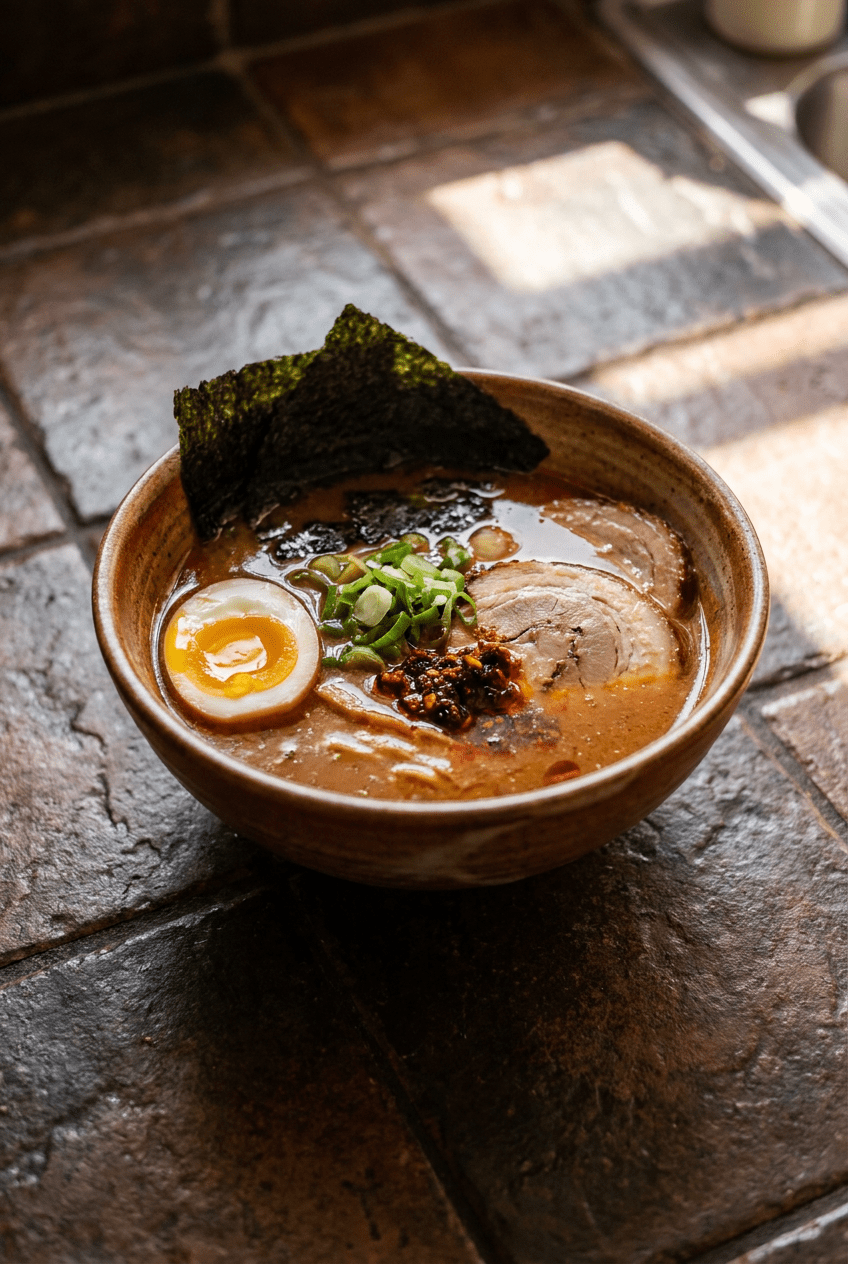
Table of Contents
- Spicy Miso Ramen from Scratch Recipe: A bowl of rich, fiery broth and tender noodles from your own kitchen
- Why You Will Love This Spicy Miso Ramen from Scratch Recipe
- Your Simple Ingredients for the Perfect Spicy Miso Ramen from Scratch
- How to Make Perfect Spicy Miso Ramen from Scratch
- Pro Tips and Easy Variations for Your Spicy Miso Ramen from Scratch
- Serving Suggestions
- Nutrition Information
- Storage and Make-Ahead Instructions
- Your Spicy Miso Ramen from Scratch Questions Answered
- More Incredible Japanese Recipes to Try
- The Story Behind This Recipe
- Pin This Recipe for Later
Spicy Miso Ramen from Scratch Recipe: A bowl of rich, fiery broth and tender noodles from your own kitchen
The first time I made a truly great spicy miso ramen from scratch recipe was on a stormy Tuesday evening when I was craving something deeply savory, a little fiery, and completely soul warming. I remember pulling out my biggest soup pot and lining up the jars of miso, chili paste, and sesame oil, feeling a little bit like a mad scientist but mostly like someone who was about to create pure comfort. That bowl turned out so vibrant, so layered with umami and heat, that my family asked me to write down every single step right then and there. Now, making homemade spicy miso ramen has become our favorite cold-weather ritual, but honestly we crave it year-round. It is a dish that feels like a hug from the inside, with ribbons of golden noodles tangled around crispy, caramelized pork, all suspended in a broth that is at once creamy, salty, and humming with spice.
What sets this spicy miso ramen from scratch recipe apart is how quickly and thoughtfully everything comes together. You do not need to simmer bones for twelve hours or hunt down dozens of obscure ingredients. Instead, we build deep flavor right in the bowl using a miso tare that you whisk up in two minutes and a broth enriched with smashed garlic, ginger, and scallions. The soboro, or crumbled ground pork, gets a quick blast in a hot skillet with gochujang and soy sauce until it takes on those irresistible caramelized edges. The eggs are boiled just to the moment before the yolk sets so that each halved egg reveals a molten, jammy center. In under an hour you can have a ramen shop worthy bowl on your table. It is the kind of recipe that shows you just how accessible great Japanese cooking can be when you understand a few simple techniques. If you have ever enjoyed a bowl of fluffy Japanese souffle pancakes and thought that Japanese dishes are always elaborate, this ramen will surprise you with its practicality.
I wrote this recipe for anyone who wants a weeknight dinner that feels like a special occasion, and for anyone who loves big, bold flavors. It is perfect for a cozy date night in, a casual dinner with friends, or a meal prep project that will reward you all week long. The ingredients are flexible enough that you can adapt the spice level to your family’s taste, and the toppings invite you to get creative. Even if you are new to cooking ramen from scratch, each step is broken down in a way that will make you feel confident. You will soon find yourself craving the warmth of this bowl again and again. Let me walk you through exactly how to make the best spicy miso ramen from scratch you have ever tasted.
Why You Will Love This Spicy Miso Ramen from Scratch Recipe
- Genuinely fast, no shortcuts sacrificed. From the moment you set your stock to simmer until you are lifting a spoon to your lips, the whole process takes about 45 minutes. That includes making a deeply aromatic broth, a savory miso tare, crispy pork soboro, and perfect jammy eggs. You will be amazed at how much flavor you can build in that time.
- A broth that tastes like it simmered all day. By steeping garlic, ginger, and scallions in the stock and then combining it with a miso tare right in the bowl, you get instant depth. The miso paste and tahini bring body and creaminess that mimics a long-simmered tonkotsu but without any of the effort.
- Customizable heat that hits exactly right. The spice comes from a combination of chili garlic sauce and gochujang, which you can dial up or down. You get a gentle, warming tingle that never overpowers the miso’s sweetness. Every bowl can be tailored to whoever is at your table.
- Toppings that turn dinner into an event. The spicy pork soboro, the soft boiled egg that melts into the broth, the crunch of corn, and the nori that softens just at the edges all add texture and flavor that keep each bite interesting. It is a bowl that feels abundant and joyful.
- No special equipment needed. You can make this with a single large pot, a skillet, a small saucepan for the eggs, and a mixing bowl. There is no need for a pasta maker or any exotic tools. It is designed for a real home kitchen.
- It teaches you a framework, not just a recipe. Once you understand how the miso tare and broth come together, you will feel empowered to swap proteins, add different vegetables, or play with the spice level. This is a foundation for endless ramen nights ahead.
Your Simple Ingredients for the Perfect Spicy Miso Ramen from Scratch
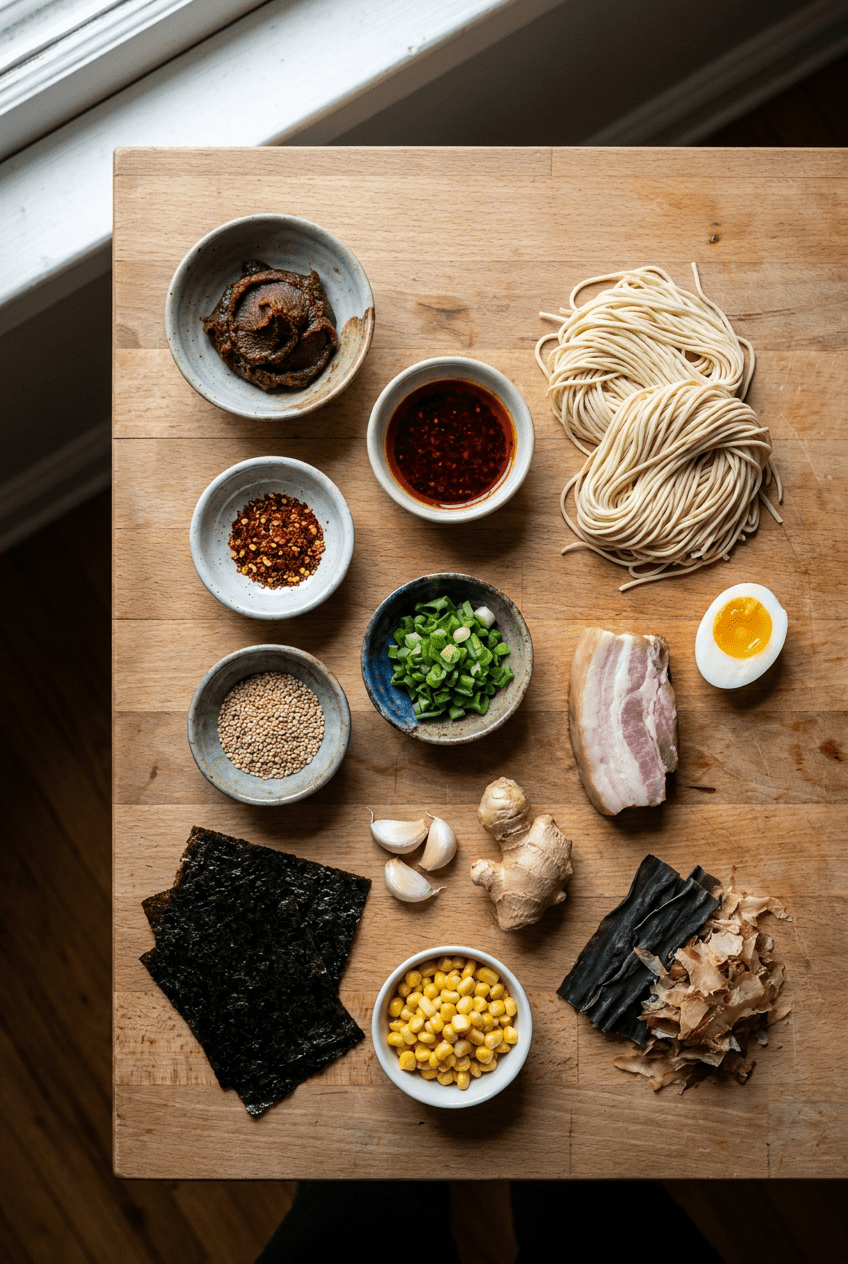
Broth Base
- 6 cups chicken stock (low sodium, preferably homemade)
- 4 cloves garlic (smashed)
- 1 inch fresh ginger (sliced)
- 2 green onions (white parts only, halved)
Spicy Miso Tare
- 1/2 cup white miso paste (or blend with red miso)
- 2 tablespoons chili garlic sauce (like sambal oelek or sriracha)
- 1 tablespoon tahini or sesame paste (optional but adds richness)
- 1 tablespoon soy sauce
- 1 tablespoon mirin
- 1 teaspoon sesame oil
Spicy Pork Soboro (Topping)
- 1 lb ground pork
- 1 tablespoon gochujang (Korean chili paste)
- 1 tablespoon soy sauce
- 1 tablespoon sake or dry sherry
- 1 teaspoon sugar
Noodles and Eggs
- 4 large eggs (straight from fridge)
- 16 oz fresh or dried ramen noodles (cooked according to package)
Additional Toppings and Garnish
- 1/2 cup canned corn kernels (drained and warmed)
- 4 sheets nori seaweed
- 2 green onions (thinly sliced, green parts)
- chili oil, to taste (for drizzling)
- toasted sesame seeds, to taste
Ingredient Notes
White miso paste gives the broth a gentle, slightly sweet fermented flavor and a smooth texture. It dissolves beautifully into the hot broth without becoming grainy. You can substitute with a blend of white and red miso for a deeper, more assertive taste. Look for miso in the refrigerated section of the grocery store or at an Asian market; it keeps for months in the fridge. If you only have red miso, use a bit less because its saltiness and intensity are stronger.
Chili garlic sauce is the main source of heat and adds a punch of garlic at the same time. Sambal oelek works wonderfully because it has a clean chili flavor without added sugar. Sriracha offers a sweeter heat and will also work perfectly. Adjust the amount based on your tolerance, and remember you can always drizzle more chili oil at the end.
Gochujang is a Korean fermented chili paste that brings a fruity, deep spiciness and a hint of sweetness to the pork soboro. It also helps the pork caramelize beautifully. If you cannot find it, you can mix a little extra chili garlic sauce with a small squeeze of maple syrup or honey, though the flavor will not be quite the same.
Fresh ramen noodles have a springy, chewy texture that soaks up the broth without turning mushy. You can find them in the refrigerated or freezer section of many well-stocked supermarkets or at Asian grocery stores. Dried ramen noodles are a fine substitute; just cook them a minute less than the package suggests so they retain their bounce. For a quick alternative, Chinese egg noodles are also excellent.
Ground pork has the right amount of fat to get crispy edges while staying juicy. You can use ground chicken or turkey, but you may need to add a spoonful of vegetable oil to the skillet to prevent sticking and help browning. Regardless of your choice, make sure the meat reaches 160°F (71°C) for safety.
How to Make Perfect Spicy Miso Ramen from Scratch
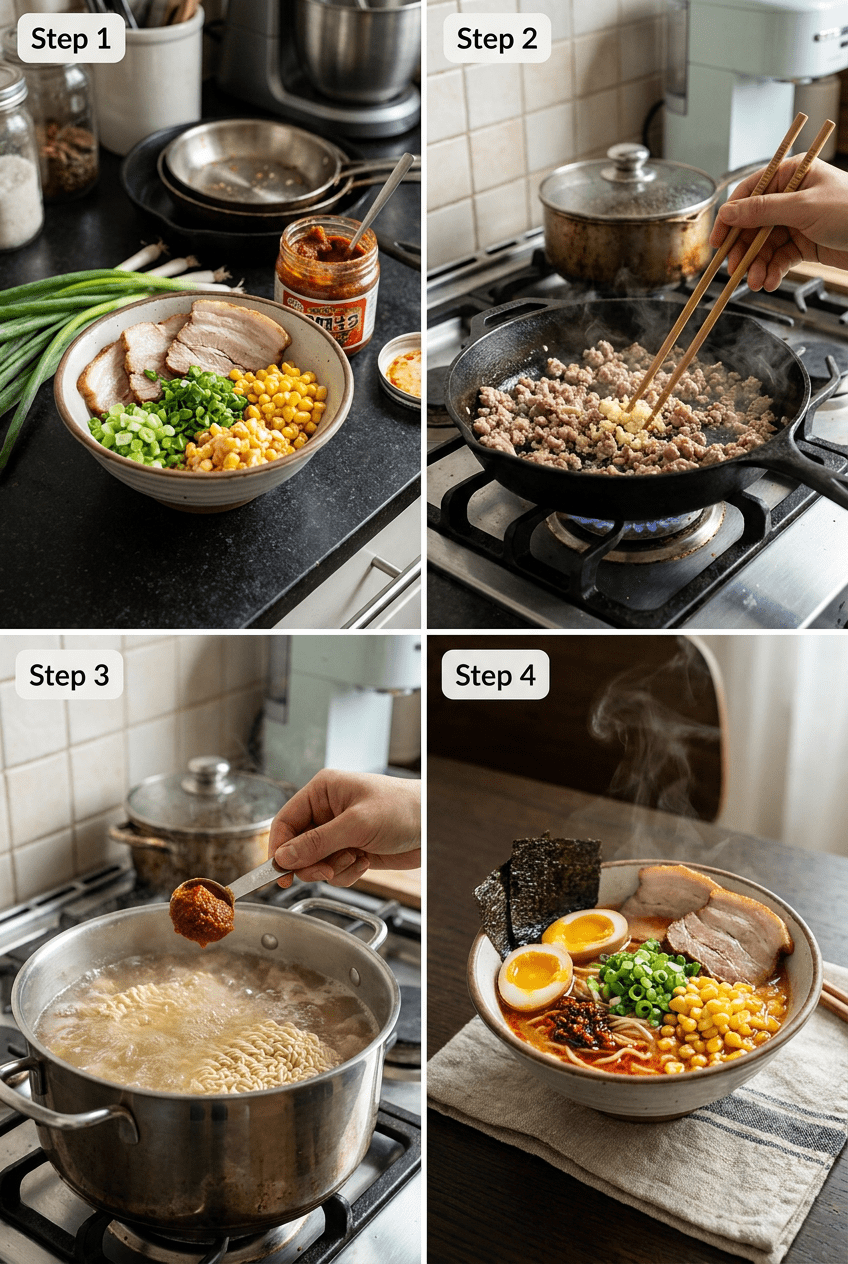
Phase 1: The Aromatic Broth and Miso Tare
Start the broth base
Pour your chicken stock into a large pot and add the smashed garlic cloves, slices of fresh ginger, and the white parts of the green onions. Bring everything to a boil over high heat, then immediately reduce the heat to a gentle simmer. Let it bubble softly for at least 20 minutes while you prepare the rest of the components. This low simmer extracts the aromatics gently and keeps the broth clear. You will know it is ready when the kitchen smells warmly of ginger and garlic. Right before you need the broth, strain out the solids and discard them. Pro tip: avoid a rolling boil once the stock is simmering to keep the broth clear and clean-tasting.
Make the spicy miso tare
While the broth simmers, grab a small bowl and whisk together the white miso paste, chili garlic sauce, tahini (if you are using it), soy sauce, mirin, and sesame oil. Stir until the mixture is completely smooth and there are no lumps of miso left. The tahini adds a subtle nutty creaminess that makes the final broth feel more luxurious. Let the tare sit at room temperature while you finish the other steps. The flavors will meld and deepen slightly, and you can even warm it a little in the microwave for 10 seconds if your kitchen is chilly. Pro tip: if you have time, let the tare rest for 10 minutes before using so the garlic and chili flavors integrate fully.
Phase 2: The Toppings That Make the Bowl Sing
Cook the spicy pork soboro
Set a skillet over medium-high heat and add the ground pork, breaking it apart with a spatula into small crumbles. Let it cook without moving it too much at first so you get some crispy brown bits. When the pork is nearly cooked through, add the gochujang, soy sauce, sake, and sugar. Stir-fry everything together, scraping up any caramelized bits from the bottom of the skillet. Keep cooking until the liquid reduces and the pork becomes deeply coated and slightly crisp around the edges, about 5 to 6 minutes total. The sound of sizzling will become louder as the moisture evaporates, and that is when the magic happens. Keep the soboro warm off to the side. Pro tip: press the pork down firmly with your spatula and let it sear undisturbed for a minute before stirring again to develop the best texture.
Soft-boil the eggs
Bring a small saucepan of water to a rolling boil. Using a slotted spoon, carefully lower the cold eggs straight from the fridge into the water one at a time so they do not crack. Boil them for exactly 6 minutes and 30 seconds for a yolk that is set on the outer edge but completely molten and jammy in the center. As soon as the timer goes off, plunge the eggs into a bowl of ice water and let them sit for at least 5 minutes. This stops the cooking instantly and makes the eggs much easier to peel. Gently crack the shell all over and peel under a thin stream of cold running water to get perfectly smooth, glossy eggs. Slice each in half just before serving. Pro tip: if you want a firmer yolk, add 30 seconds to the cooking time, but the ice bath is non-negotiable.
Cook the ramen noodles
Fill a large pot with water and bring it to a rolling boil. There is no need to salt the water because the broth will carry all the seasoning. Cook your ramen noodles for about 1 minute less than the package instructions to ensure they stay pleasantly chewy. Drain them very well, shaking off all excess water. If you are not serving the bowls immediately, you can toss the drained noodles with a tiny drizzle of sesame oil to prevent them from sticking together. Pro tip: fresh noodles will cook very quickly, so keep an eye on them and taste for doneness often in the last minute.
Phase 3: Assembling Your Vibrant Bowls
Assemble the bowls
By now your broth has simmered beautifully. Strain it through a fine mesh sieve and discard the spent garlic, ginger, and scallion pieces. Return the clear broth to the pot and bring it back to a gentle simmer over medium heat. Place a generous 2 tablespoons of the spicy miso tare into the bottom of each deep serving bowl, right on top of the drained noodles. Carefully ladle about 1½ cups of the hot broth into each bowl, pouring it down the side of the bowl rather than directly onto the tare. This gentle pouring helps the tare dissolve evenly without splashing and clouding the presentation. Use chopsticks or a spoon to give each bowl a soft stir so the miso and broth become one silky liquid. Pro tip: if you like a lighter broth, start with less tare and add more after tasting.
Add toppings and serve
Now comes the most satisfying part. Divide the spicy pork soboro among the bowls, piling it gently in the center. Nestle two halves of the soft-boiled egg into each bowl so the glossy yolk peeks out. Sprinkle the warm corn kernels around the edges, scatter the sliced green onion, and lean a sheet of nori against the side of the bowl, half-submerged in the broth. Finish with a drizzle of chili oil and a scattering of toasted sesame seeds. Serve the bowls right away while they are steaming hot and aromatic. Pro tip: lean the nori at a slight angle so that the bottom part softens in the hot liquid while the top stays crisp and briny. Just like enjoying a bowl of blueberry lemon ricotta pancakes on a relaxed weekend morning, this ramen rewards you for taking a moment to admire your creation before diving in.
Pro Tips and Easy Variations for Your Spicy Miso Ramen from Scratch
Pro Tips
- Build your umami with mixed miso. Using a combination of white and red miso gives you the sweetness of white miso and the deep savory character of red miso. A spoonful of doenjang, Korean fermented soybean paste, added to the tare can also bring an incredible depth, so do not be afraid to experiment.
- Treat your eggs with a timer and ice bath, always. Even 30 extra seconds can turn a jammy yolk into a fully set one. Set a timer as soon as the eggs hit the water, and have your ice bath ready before you start boiling. This is the single most important step for that perfect lava yolk.
- Finish the bowls with a personalized heat boost. For extra fire, drizzle rayu (Japanese chili oil) or stir a small dab of doubanjiang, a Chinese fermented chili bean paste, into the broth just before eating. This way the spice stays bright and vibrant.
- Food safety with meat is about temperature, not color. Cook ground pork until it reaches 160°F (71°C) at the center. If you swap in ground poultry, that number rises to 165°F (74°C). A quick read thermometer is your friend here.
- Food safety for eggs: know your audience. While we love jammy yolks, the official guideline is to cook eggs until both the white and yolk are firm, especially if you are serving someone pregnant, elderly, or with a compromised immune system. You can boil eggs for a full 9 minutes for a firm yolk that is still tender.
Delicious Variations
- Vegetarian spicy miso ramen. Replace the chicken stock with a kombu-mushroom dashi and skip the pork. Use crumbled tempeh or firm tofu, pan-fried with a splash of soy sauce and a pinch of sugar until golden, in place of the soboro. Omit the egg or use a vegan soft-boiled egg substitute, and your bowl will be completely plant-based yet still rich.
- Chicken miso ramen. Substitute ground chicken for the pork and use a milder chili paste like regular miso mixed with a touch of gochujang. You can also add shredded poached chicken breast as an extra topping for even more substance.
- Seafood lovers’ twist. Add a few seared shrimp or a spoonful of salmon roe on top to bring a taste of the ocean. The salty pop of the roe against the creamy broth is absolutely stunning.
- Extra garlicky version. Grate a fresh garlic clove into the hot broth right before pouring, or make a quick mayu (black garlic oil) by slowly frying minced garlic in oil until deeply browned and slightly black, then drizzling it over the finished bowl.
- Spicy kimchi miso ramen. Stir a few spoonfuls of finely chopped kimchi into the broth with the tare and top the bowl with extra kimchi. The fermented tang and heat bring a whole new dimension and complement the miso beautifully. It is like a warm conversation between two Korean and Japanese classics, not unlike the soothing harmony found in a Moroccan chicken tagine.
Serving Suggestions for a Perfect Dinner
A bowl of spicy miso ramen practically is a complete meal on its own, but adding a few well-chosen sides turns it into a cozy feast. I love serving it with a small plate of pan-fried gyoza, their crisp bottoms and juicy filling making a wonderful contrast to the slick noodles. A little dish of pickled ginger or bright yellow takuan (pickled daikon) cuts through the richness of the broth and cleanses your palate between bites. For drinks, an ice-cold Japanese lager, a crisp pilsner, or a warm mug of genmaicha tea rounds out the meal beautifully. If you want to go non-alcoholic, a chilled barley tea or even a sparkling yuzu soda feels especially refreshing.
This ramen is a wonderful choice when you want to gather people around the table with minimal stress. It is surprisingly easy to double or triple the recipe for a crowd. Set up a toppings bar with extra corn, green onions, chili oil, and sheets of nori so everyone can build their own bowl. The interactive element makes it feel festive, and the fragrant steam that fills the kitchen sets the mood instantly. Whether it is a rainy weeknight or a lazy Sunday lunch, these bowls bring people together in the best way.
Nutrition Information
(Approximate per serving, 4 servings total) Calories: 520, Fat: 20g, Carbohydrates: 55g, Protein: 32g, Fiber: 4g, Sodium: 1280mg. Nutritional values are estimates only.
Storage and Make-Ahead Instructions
- Refrigerator: For the best texture, store the broth, spicy miso tare, pork soboro, soft-boiled eggs, and cooked noodles all in separate airtight containers. The broth and tare will keep well for up to 4 days. The cooked pork soboro stays delicious for up to 3 days. Peeled soft-boiled eggs are best eaten within 2 days; keep them submerged in a little water or wrapped in damp paper towel to prevent drying out.
- Freezer: The strained broth, the unseasoned tare, and the pork soboro all freeze beautifully for up to 3 months. Simply portion them into freezer-safe containers or bags, removing as much air as possible. Do not freeze the cooked noodles or the eggs, as they will become unpleasantly mushy upon thawing.
- Reheating: Gently reheat the broth and the pork soboro in a saucepan over medium heat until simmering. If the eggs are chilled, I usually just run them briefly under warm tap water or microwave them for 20 seconds at lowest power just to take the chill off; you do not want to cook them further. Cook fresh noodles when you are ready to eat, then assemble your bowls exactly as described.
- Make-Ahead: The entire miso tare can be mixed up to 5 days in advance and stored in the refrigerator. The broth can be simmered and strained a day ahead. The pork soboro can be cooked the day before and quickly reheated. With these components ready, putting dinner together becomes a matter of boiling noodles and ladling broth, which means you can have homemade spicy miso ramen on the table in under 10 minutes any night of the week.
Your Spicy Miso Ramen from Scratch Questions Answered
Can I use store-bought chicken broth instead of homemade?
Absolutely, and many of us do. Choose a low-sodium, high-quality stock so you can control the saltiness. For extra depth, try simmering a piece of kombu in the broth along with the garlic and ginger for the last few minutes. This little trick adds a subtle umami underpinning that mimics a carefully built stock.
What if I cannot find ramen noodles?
You have options. Fresh Chinese egg noodles are a wonderful swap and have a similar chew. In a pinch, you can even cook dried spaghetti in water with 1 teaspoon of baking soda per gallon, which changes the pH and gives the pasta a bouncy, ramen-like texture. Just rinse the noodles well after draining to remove any slickness.
How can I make this less spicy for kids or sensitive palates?
Reduce the chili garlic sauce in the tare to 1 tablespoon and use only sweet white miso. For the pork, omit the gochujang entirely and season the meat with just soy sauce, a little sugar, and maybe a tiny splash of sesame oil. The bowls will still be full of flavor without any burn. You can always pass chili oil at the table for those who want more heat.
Why does my miso broth taste grainy?
Graininess usually happens when the miso is not fully dissolved into the tare or when the broth boils too vigorously after the miso has been added. Whisk the tare until completely smooth before adding it to the bowl, and never boil the broth after the miso goes in. Gently ladle the hot liquid and stir to dissolve.
Can I prepare the eggs completely ahead of time?
Yes, and in fact it makes assembly even faster. You can boil and peel the eggs up to 2 days in advance. Store them in an airtight container with a damp paper towel on top and refrigerate. Allow them to come closer to room temperature or give them a brief warm rinse before serving so they do not cool down your broth.
What is the best way to get the pork really crispy?
Use a heavy skillet, do not crowd the meat, and let it sit untouched for a full minute before stirring. A wide spatula that allows you to press the pork into the hot surface will help develop many golden-brown bits. Those crunchy little crumbles add so much textural contrast to the silky broth.
How can I turn this into a vegan ramen?
Swap the chicken stock for a well-seasoned mushroom and kombu dashi. Use extra tahini in the tare for richness. Skip the pork and pan-fry crumbled tofu with soy sauce, a drop of liquid smoke, and a pinch of sugar until browned. A vegan soft-boiled egg substitute or simply omit the egg for a fully plant-based bowl.
Is there a way to add more vegetables?
Absolutely. Spinach or bok choy wilted directly in the hot broth, thinly shaved carrots, bean sprouts, or even sautéed shiitake mushrooms all work beautifully. These colorful additions make the bowl even more nourishing and provide a pleasant bite alongside the noodles.
More Incredible Japanese Recipes to Try
If the warmth of this spicy miso ramen from scratch recipe captivated you, I have a feeling you will also adore diving into other Japanese comfort food classics. There is something deeply satisfying about the way Japanese cooking balances simplicity with big, soulful flavor. I often find that after a week of making ramen, my family starts asking for equally cozy breakfasts and dinners that keep that same handmade spirit alive. That is where dishes like savory vegetable pancakes, delicate dashi-simmered vegetables, and gently seasoned rice bowls come in. Each one teaches you another little technique, like making a silky custard or balancing sweet and salty without a heavy sauce.
For breakfast or brunch, you might love returning to the airy magic of fluffy Japanese souffle pancakes, which are as fun to make as they are to eat. They share the same meticulous but rewarding approach as a perfectly assembled ramen bowl. And if your taste buds wander toward the aromatic and the slowly simmered, a bowl of ramen shares a surprising amount of DNA with the slow-cooked spice layers of a Moroccan chicken tagine. Both dishes rely on patience and a deep understanding of how aromatics release their character over time. When you have a weekend morning and a craving for something bright, blueberry lemon ricotta pancakes will feel like a sunny sister to your ramen breakfast the next day. Each of these recipes, in its own way, turns your kitchen into a small haven of good smells and happy full bellies.
The Story Behind This Spicy Miso Ramen from Scratch
Ramen as we know it today is a relatively modern phenomenon in Japan, though its roots stretch back to Chinese wheat noodle soups introduced in the late 19th or early 20th century. Miso ramen in particular has a beloved place in the northern island of Hokkaido, where the cold winters inspired cooks to create a richer, heartier broth to warm the body. They began blending local miso, often a robust red variety, with pork or chicken bones and generous spoonfuls of garlic, layering flavors until the bowl became a meal that could fight off a blizzard. The addition of corn and a pat of butter is a Sapporo specialty that still defines many bowls today. This recipe honors that tradition but brings it into a faster home kitchen reality, proving that even without a whole day to simmer, you can still capture the soul of Hokkaido miso ramen.
I first fell in love with this style on a trip to Japan years ago, sitting at a counter in a cramped eight-seat shop in Tokyo where the chef shouted “miso ramen!” in a booming voice. The broth was so creamy and spicy I could not stop thinking about it. When I got home, I spent weeks tinkering, trying to recreate that complexity without a professional kitchen. The breakthrough came when I realized that layering the miso tare directly in the bowl, using a high-quality stock, and not being shy with the chili and garlic could get me ninety percent of the way there in under an hour. Every time I make this now, I think about that small shop and the way food connects places and people across the world.
Pin This Spicy Miso Ramen from Scratch Recipe for Later
Love this recipe? Save it to your favorite Pinterest board so you can find it again easily. Share it with friends and family who would enjoy making it too.
I truly hope this spicy miso ramen from scratch recipe becomes a staple in your kitchen the way it has in mine. There is something deeply satisfying about pulling together such a special bowl with ingredients you already trust. I would love to hear how it turns out for you, whether you stick exactly to the recipe or add your own inspired twist. Leave a comment below and let me know what variation you tried, and do not forget to share a picture if you can. Happy cooking.
Spicy Miso Ramen from Scratch
Ingredients
Method
- In a large pot, combine chicken stock, smashed garlic, ginger slices, and white parts of green onions. Bring to a boil, then reduce heat and let simmer gently while you prepare other components, at least 20 minutes. Strain and discard solids just before using.
- In a small bowl, whisk together miso paste, chili garlic sauce, tahini (if using), soy sauce, mirin, and sesame oil until completely smooth. Set aside at room temperature.
- In a skillet over medium-high heat, cook ground pork, breaking it into small crumbles. When almost cooked through, add gochujang, soy sauce, sake, and sugar. Stir-fry until the liquid is absorbed and the pork is nicely caramelized and slightly crisp, about 5-6 minutes. Keep warm.
- Bring a small pot of water to a rolling boil. Gently lower eggs straight from the fridge into water using a slotted spoon. Boil exactly 6 minutes 30 seconds for a jammy yolk. Immediately transfer to an ice bath for at least 5 minutes, then peel carefully.
- Bring a large pot of water to a boil (no salt). Cook ramen noodles 1 minute less than package directions for al dente texture. Drain well and divide among four deep bowls.
- Strain the simmered broth, discarding aromatics. Return clear broth to the pot and bring to a gentle simmer. Place 2 tablespoons of spicy miso tare at the bottom of each bowl over the noodles. Ladle about 1½ cups of hot broth into each bowl, then stir gently to dissolve the tare and combine.
- Divide the spicy pork soboro equally among bowls. Halve the soft-boiled eggs and place one half on each. Add warm corn kernels, sliced green onions, a sheet of nori, and a drizzle of chili oil and sesame seeds as desired. Serve immediately while piping hot.
Disclosure: This post may contain affiliate links. If you purchase through our links we may earn a small commission at no extra cost to you.
If you made this Spicy Miso Ramen from Scratch, please leave a comment below and let me know how it turned out.