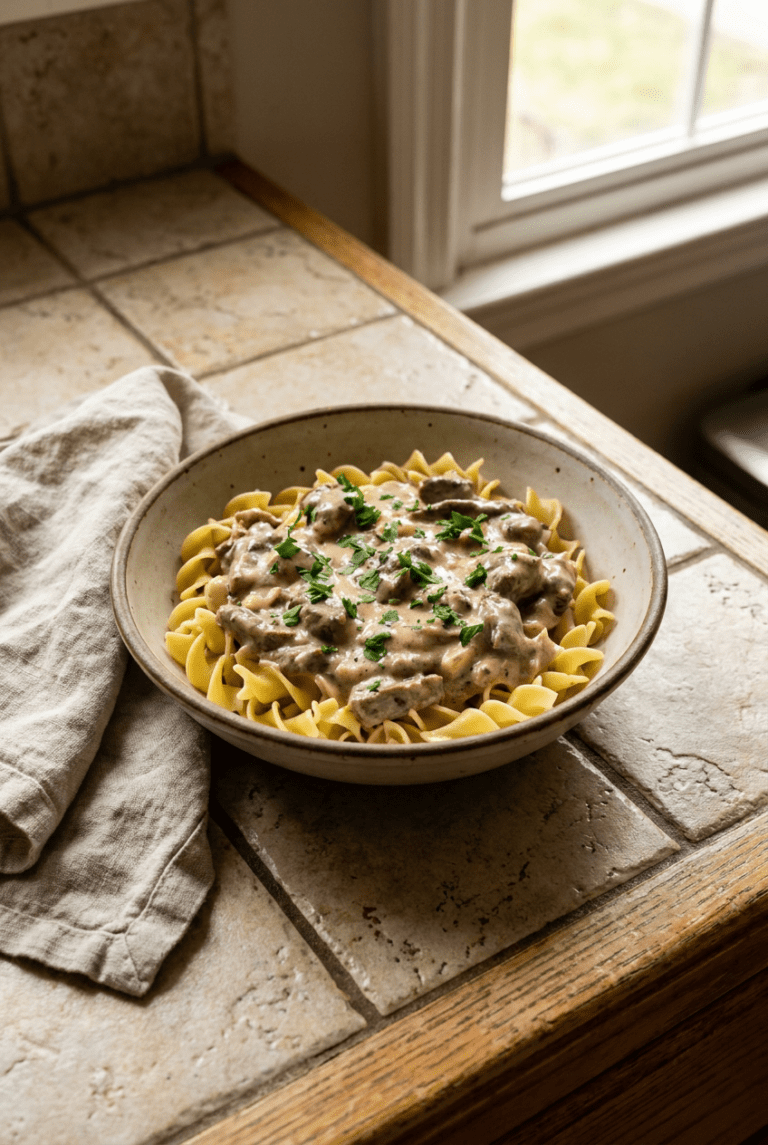
Classic Beef Bulgogi (Korean BBQ Beef) Recipe, Easy Korean Dinner in 25 Minutes
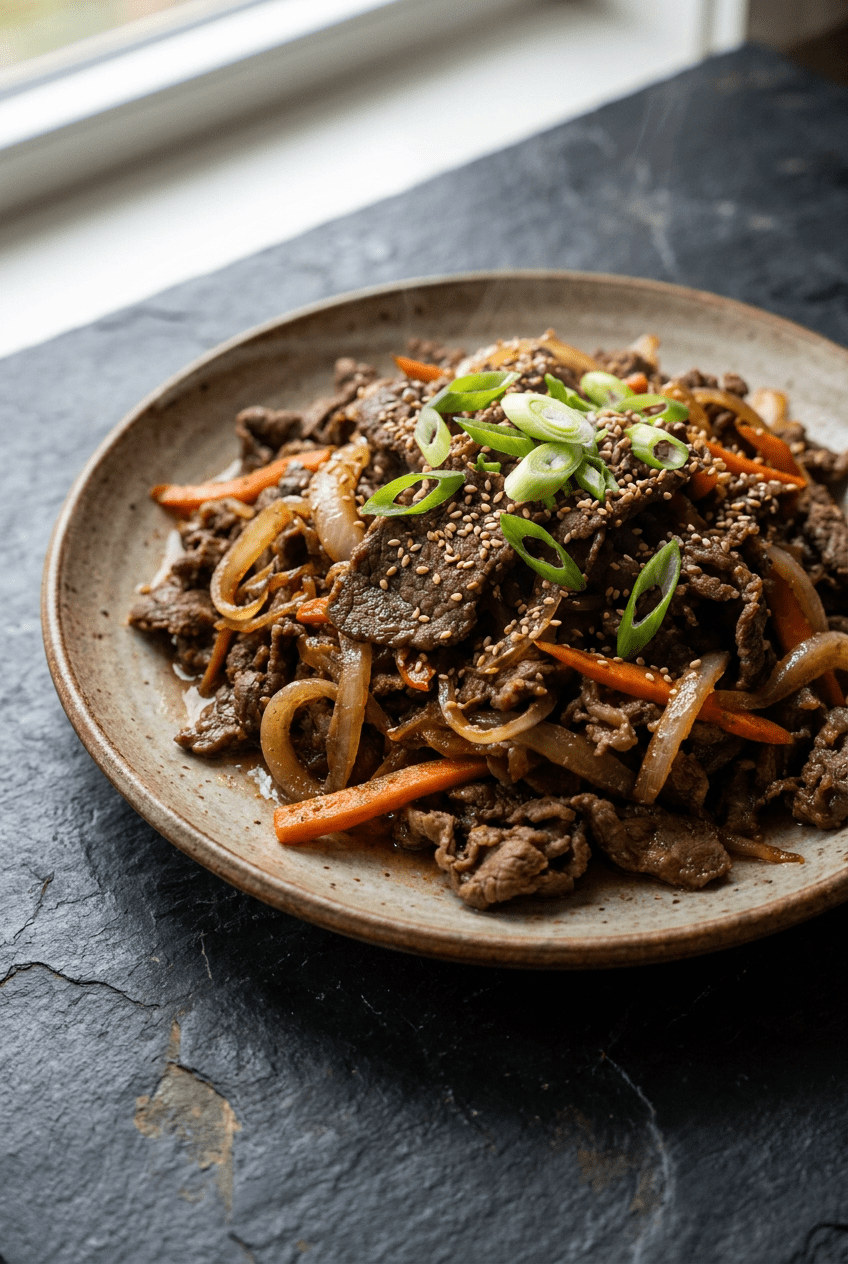
Table of Contents
- Classic Beef Bulgogi (Korean BBQ Beef) Recipe: Tender, caramelized slices of beef in a sweet and savory soy marinade that sizzles to perfection in minutes
- Why You Will Love This Classic Beef Bulgogi (Korean BBQ Beef) Recipe
- Your Simple Ingredients for the Perfect Classic Beef Bulgogi (Korean BBQ Beef)
- How to Make Perfect Classic Beef Bulgogi (Korean BBQ Beef)
- Pro Tips and Easy Variations for Your Classic Beef Bulgogi (Korean BBQ Beef)
- Serving Suggestions
- Nutrition Information
- Storage and Make Ahead Instructions
- Your Classic Beef Bulgogi (Korean BBQ Beef) Questions Answered
- More Incredible Korean Recipes to Try
- The Story Behind This Recipe
- Pin This Recipe for Later
Classic Beef Bulgogi (Korean BBQ Beef) Recipe: Tender, caramelized slices of beef in a sweet and savory soy marinade that sizzles to perfection in minutes
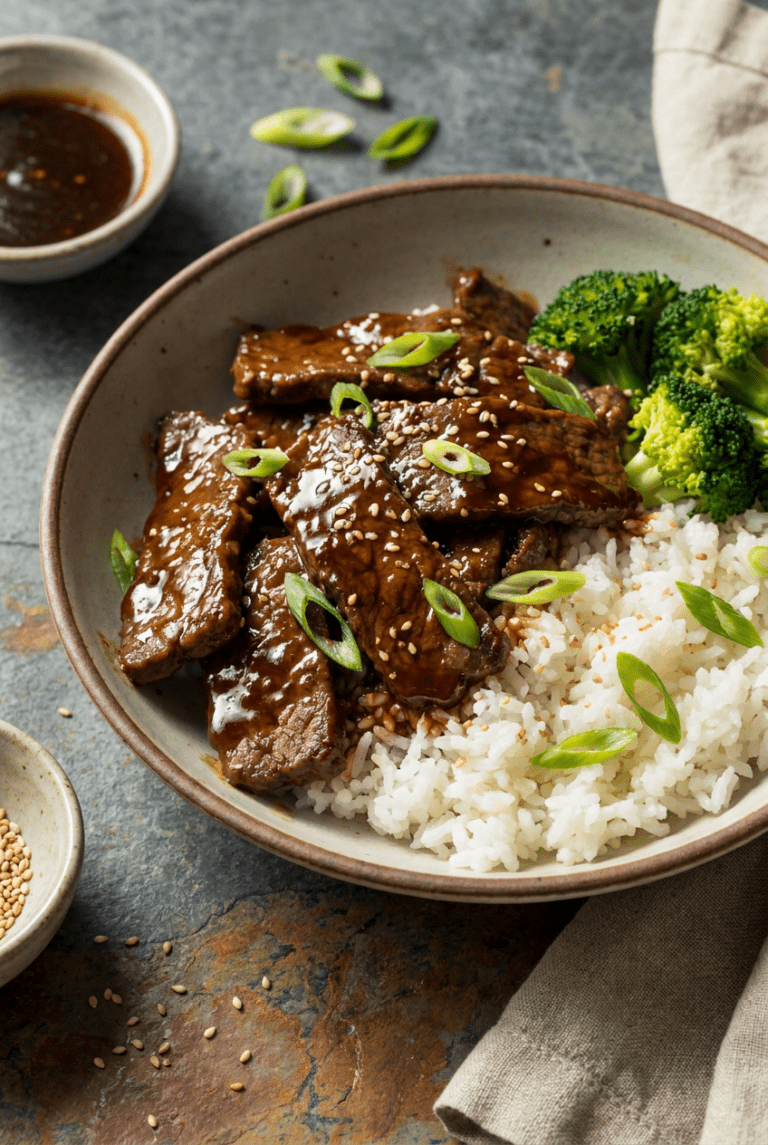
This classic beef bulgogi (Korean BBQ beef) recipe has been my weeknight salvation for as long as I can remember. I still recall the first time I stepped into a tiny Korean barbecue restaurant with a friend, the air thick with the sound of sizzling meat and the aroma of toasted sesame oil. The server brought out a cast iron plate piled high with thin, glossy beef strips, their edges just catching a deep mahogany char. I wrapped my first bite in a crisp lettuce leaf with a dab of ssamjang and a slice of raw garlic, and it was one of those rare moments where a single bite makes you close your eyes and just feel the warmth of a kitchen. That tenderness, that sticky, salty sweet glaze, it has stayed with me ever since, and I have spent many happy evenings recreating it at home. There is something almost meditative about watching the beef hit the hot pan and transform in under two minutes.
What sets this homemade version apart from the pile of recipes you will find online is the way we coax every bit of tenderness and deep flavor from a handful of humble ingredients. The real secret is the grated Asian pear, which brings a gentle, natural enzyme to the marinade that softens the meat without turning it to mush, while adding a subtle fruity sweetness you simply cannot get from sugar alone. The technique of freezing the beef for a short time before slicing makes paper thin pieces effortless, and the screaming hot skillet delivers the beautiful caramelized crust that defines the best Classic Beef Bulgogi (Korean BBQ Beef) from scratch. I will walk you through each step, from how to choose the right cut of meat to the exact moment you pull the beef from the pan, so you can achieve that perfect balance of charred edges and juicy interior every single time. You might also find that once you master this, you crave similar quick, rewarding recipes like our fluffy Japanese souffle pancakes for breakfast, a dish that shares that same sense of delicate, fleeting perfection.
This is the kind of Korean dinner recipe that fits just as beautifully into a rushed Tuesday evening as it does for a relaxed weekend feast with friends. It asks for very little active time, most of the work happens in the marinade while you set the table or toss together a quick side of sautéed spinach. If you are someone who loves bold flavors but prefers to spend your time at the table rather than the stove, this easy Classic Beef Bulgogi (Korean BBQ Beef) will become a repeat request. The dish also scales beautifully for a crowd, simply double or triple the marinade, and let everyone pile their own lettuce wraps at the table. Whether you are cooking for picky eaters, adventurous palates, or simply yourself after a long day, this recipe delivers comfort, excitement, and a smile in under half an hour.
Why You Will Love This Classic Beef Bulgogi (Korean BBQ Beef) Recipe
- Lightning fast cooking time. Once your pan is hot, the beef cooks in just 1 to 2 minutes per side, making this the fastest route to a restaurant quality Korean dinner at home. You will have a full meal on the table before the rice cooker even finishes its cycle.
- Naturally tender and juicy. The combination of the Asian pear enzyme, the right cut of well marbled beef, and the quick sear ensures each slice melts on your tongue. The marinade works while you go about your day, so all the heavy lifting happens while you relax.
- Deeply savory with a whisper of sweetness. The balance of low sodium soy sauce, brown sugar, sesame oil, and fresh garlic and ginger creates a glaze that clings to the beef and caramelizes into those irresistible crispy bits everyone fights over. It is the best Classic Beef Bulgogi (Korean BBQ Beef) recipe for capturing that authentic Korean BBQ house flavor.
- Minimal, everyday ingredients. Beyond the Asian pear, which you can swap with a ripe Bosc pear, you likely have everything else in your pantry already. No specialty store runs, just excellent basic ingredients treated with respect.
- Incredibly versatile. Use it as the star of lettuce wraps, pile it over steaming rice bowls, tuck it into tortillas for a fusion taco, or even toss leftovers into fried rice the next morning. This homemade Classic Beef Bulgogi (Korean BBQ Beef) adapts to whatever your day needs.
- Meal prep friendly. Marinate the beef the night before, or freeze it right in the marinade for an instant dinner later. You will thank your past self every single time.
Your Simple Ingredients for the Perfect Classic Beef Bulgogi (Korean BBQ Beef)
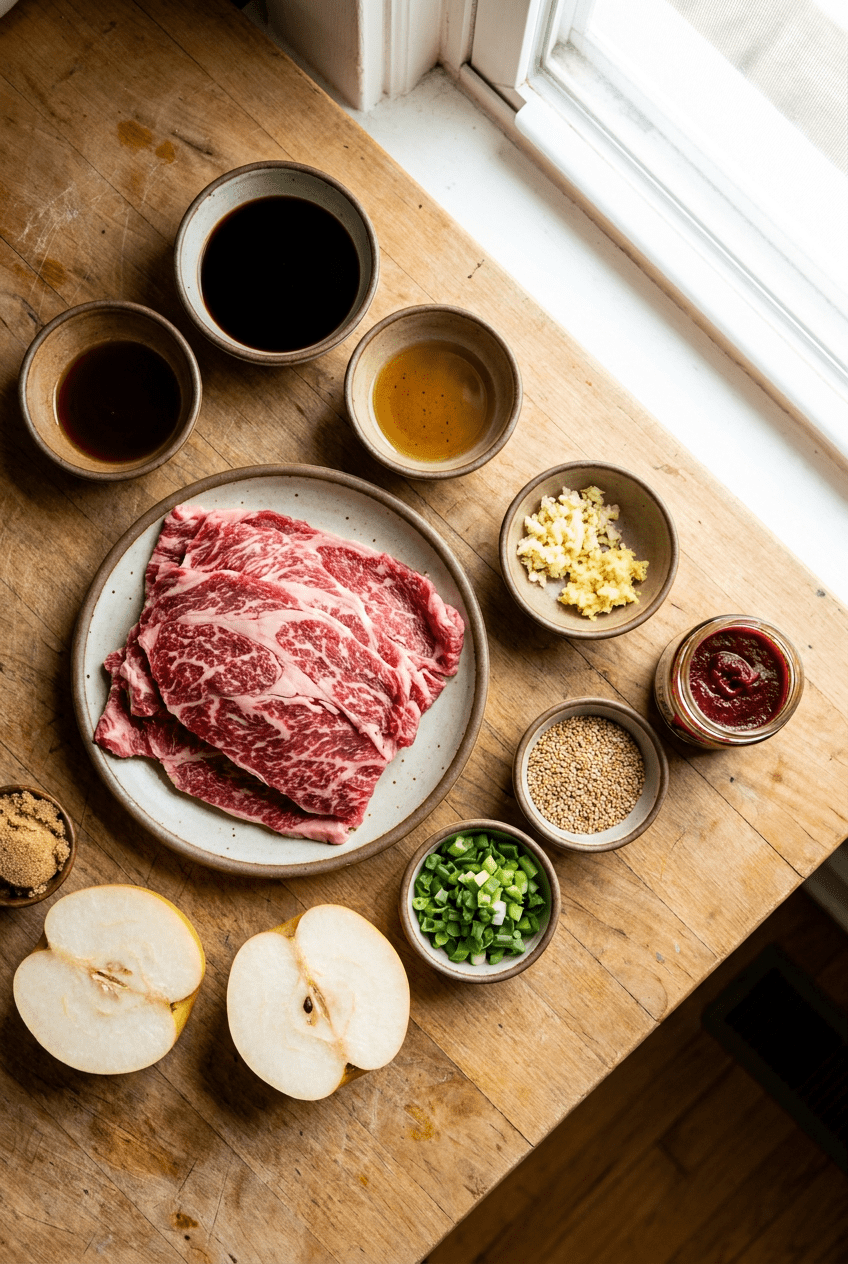
Main
- 1 1/2 lbs beef sirloin or ribeye, thinly sliced against the grain
- 1/2 cup soy sauce, low sodium preferred
- 1/4 cup grated Asian pear, with juice, or substitute with Bosc pear
- 3 tbsp brown sugar, packed
- 2 tbsp sesame oil, toasted
- 4 cloves garlic, minced
- 1 tbsp fresh ginger, grated
- 1 tbsp rice wine (mirin), or dry sherry
- 1/2 tsp black pepper, freshly ground
Garnish
- 2 scallions, sliced thin
- 1 tbsp toasted sesame seeds
Ingredient Notes
Beef sirloin or ribeye. The cut of meat matters enormously for how to make Classic Beef Bulgogi (Korean BBQ Beef) that stays tender and never dry. Ribeye is my first choice because of its generous marbling, which bastes the meat from the inside as it cooks and yields that buttery texture. Sirloin is a leaner option that still works beautifully if sliced thin and cooked quickly at high heat. Always look for bright red, well marbled pieces and avoid anything labeled “stewing beef” or “round” which will turn chewy. If you can only find chuck eye steak, that is a fantastic substitute with rich flavor.
Soy sauce. I call for low sodium soy sauce here because the marinade already has brown sugar and the beef itself carries natural juices, and a regular soy sauce can push the salt level too high. Use a good quality tamari if you need a gluten free alternative. The soy sauce is the salty, umami backbone of the entire dish, so do not reach for a cheap bottle that tastes mostly of brine. Look for one with a clean soybean flavor that will mingle happily with the sesame oil and pear.
Asian pear. This is the non negotiable ingredient that separates a good bulgogi from a great one. The pear contains a natural enzyme called calpain that gently breaks down the muscle fibers without making the meat mushy, and it imparts a delicate floral sweetness that white sugar simply cannot replicate. Grate it on the large holes of a box grater, juice and all, and mix it directly into the marinade. If you absolutely cannot find an Asian pear, a ripe Bosc pear or even a grated apple will pinch hit, but the flavor will shift toward a fruitier profile. The pear does more than tenderize, it rounds out the sharp edges of the soy and garlic so everything tastes cohesive.
Brown sugar. Packed dark or light brown sugar adds a molasses rich depth and helps create that lacquered, sticky crust on the beef. Honey or maple syrup can be used in a pinch, but you will miss that subtle caramel undertone. The sugar also draws out the meat’s own moisture to form a thin syrupy glaze in the pan.
Sesame oil. Toasted sesame oil is essential, do not use the pale refined kind meant for high heat cooking because you will lose all that nutty, aromatic personality. A little goes a long way, and it marries the garlic and ginger beautifully. Drizzle a tiny extra bit over the finished dish right before serving for an added pop of aroma.
Garlic and ginger. Always use fresh, never powdered. Mince the garlic finely so it disperses evenly and use a microplane for the ginger to extract every drop of its spicy juice. These two aromatics provide the savory punch that makes the beef taste alive.
Rice wine (mirin). Mirin adds a subtle sweetness and a hint of acidity that brightens the marinade. If you do not have mirin, dry sherry works very well, and in a true emergency, you can use a teaspoon of rice vinegar mixed with a pinch of extra sugar, but the complexity will take a slight step back. The rice wine also helps any tougher sinews relax just a bit more.
Black pepper. Freshly ground black pepper is my preference because its sharp, floral heat cuts through the richness of the beef and keeps the marinade from tasting flat. Use a generous amount and grind it right over the bowl.
How to Make Perfect Classic Beef Bulgogi (Korean BBQ Beef)
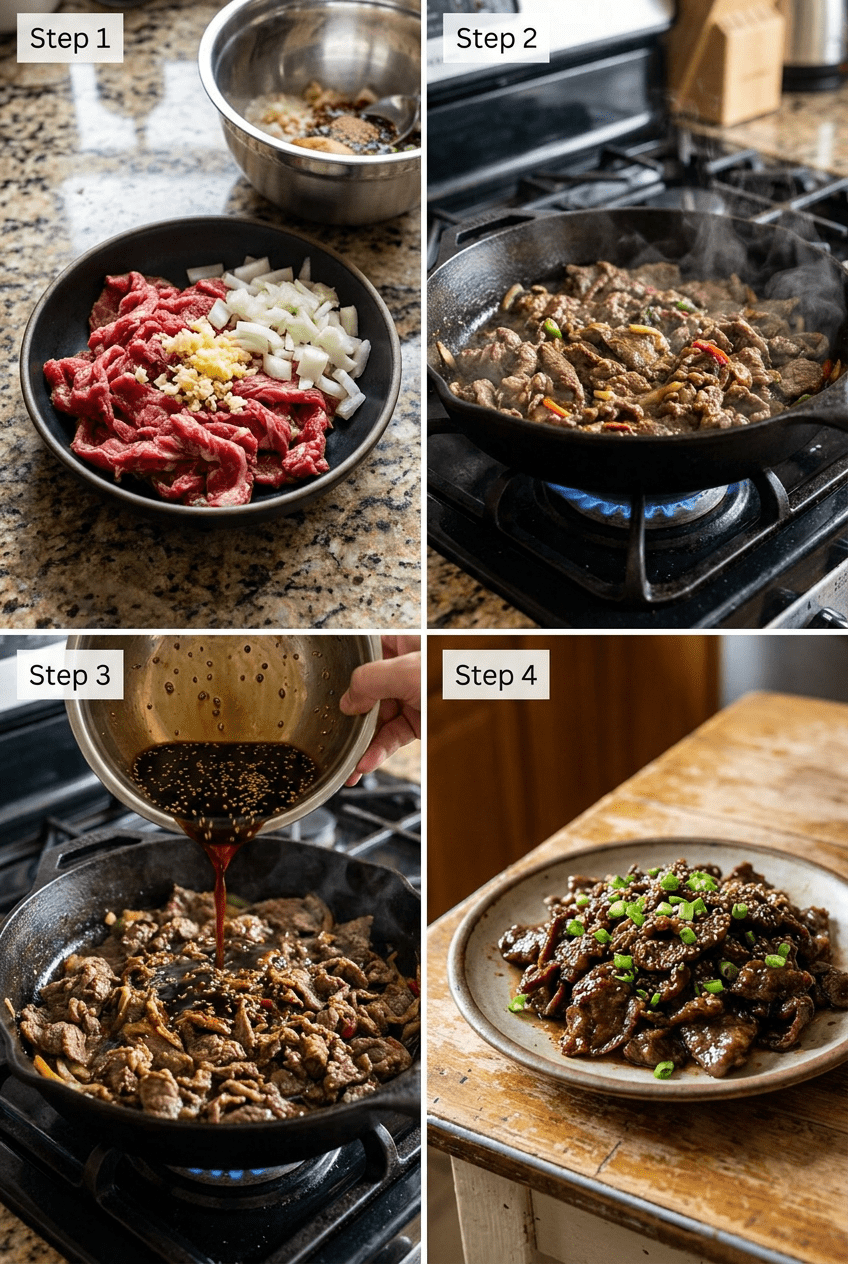
Phase 1: Freeze and slice the beef
Place your beef in the freezer on a parchment lined plate for 30 minutes, this firms up the flesh and makes it far easier to slice thin. You want the beef to feel firm but not frozen solid, with just enough give that your knife can glide through it without pressure. Using a sharp chef’s knife, slice across the grain into pieces no thicker than an eighth of an inch. If you see long strands of muscle fiber running horizontally, cut across them, not parallel, which would leave you with chewy shreds. After slicing, pat each piece dry with paper towels. This removes excess moisture that would otherwise cause the beef to steam in the pan instead of sear. Pro tip: Partially frozen meat is your best friend here. Think of it like carving a block of very cold butter, thin even slices happen naturally and the grain is easier to see and cut against.
Phase 2: Build the marinade
In a large mixing bowl, whisk together the soy sauce, grated Asian pear including every drop of its juice, the packed brown sugar, toasted sesame oil, minced garlic, grated ginger, rice wine, and freshly ground black pepper. Whisk until the sugar dissolves completely and the marinade looks uniform and glossy, almost like a thin syrup. Give it a taste, it should be intensely savory with a bright sweetness and a warm ginger finish. The pear works its tenderizing magic almost like the preserved lemon does in our Moroccan chicken tagine, breaking down proteins with a gentle fruit acidity while adding its own quiet sweetness, no harsh sourness here. Pro tip: Do not skip the full whisking step, any undissolved sugar will scorch in the pan later and taste bitter. Let the marinade sit for five minutes after whisking so the garlic and ginger fully bloom into the liquid.
Phase 3: Marinate the beef
Add the dried beef slices to the marinade and use your hands to toss and massage every piece until each strip is coated evenly, with no dry spots hiding in folds. Cover the bowl tightly with plastic wrap or transfer to a zip top bag, pressing out the air. Refrigerate for at least 30 minutes, though 2 to 4 hours is ideal for the best Classic Beef Bulgogi (Korean BBQ Beef) recipe result. The meat will deepen in color and grow supple as it sits. Pro tip: For a fantastic make ahead dinner, marinate overnight. The extra time only makes the beef more tender and allows the flavors to penetrate deeper, you simply pull it from the fridge and it is ready to cook immediately.
Phase 4: Sear over high heat
Place a large cast iron skillet or grill pan over high heat and let it preheat for a full 5 minutes until you can feel the heat radiating from the surface and a drop of water skitters and vanishes instantly. No oil is needed because the marinade itself contains sesame oil. Working in batches to avoid overcrowding, lay the beef slices in a single layer, they should sizzle loudly on contact. Do not move them for 1 to 2 minutes, let the underside develop a dark, caramelized crust. You will smell the sugar and soy melding into that signature bulgogi perfume. Flip each piece using tongs and cook the second side for 1 to 2 minutes more. When the thickest piece registers 145 degrees F on an instant read thermometer, transfer the beef to a serving platter. Repeat with the remaining meat. Pro tip: A crowded pan steams rather than sears, so give each batch space. If you notice the pan smoking heavily and the sugar starting to blacken before the beef is cooked through, lower the heat just slightly and wipe the pan with a damp paper towel between batches to reset the surface.
Phase 5: Garnish and serve
Once all the beef is cooked, pile it generously onto a warm plate and scatter the sliced scallions and toasted sesame seeds over the top. If you desire an extra sticky glaze, pour any remaining marinade into the hot pan, bring it to a boil for a full minute while stirring, then drizzle it over the beef. The heat from the pan will sanitize the marinade and thicken it into a shiny sauce that clings to every ribbon of meat. Serve immediately while the edges are still crisp and the aroma fills the kitchen.
Pro Tips and Easy Variations for Your Classic Beef Bulgogi (Korean BBQ Beef)
Pro Tips
- Choose well marbled beef. Cuts like ribeye or chuck eye contain streaks of fat that melt during the quick sear, basting the meat internally and preventing dryness. Lean cuts like eye of round demand perfect slicing and a watchful eye, or they turn tough in seconds.
- Preheat your pan relentlessly. A properly scorching pan creates the charred edges and caramelized crust that define authentic bulgogi. Test the heat by flicking a few drops of water onto the surface, they should bead and dance furiously before disappearing almost instantly.
- Boil and reduce leftover marinade. That pool of pear and soy goodness left in the bowl is liquid gold. Bring it to a rolling boil for at least one minute to cook off any raw meat juices, then simmer until it thickens into a syrupy glaze. Spoon it over the finished beef or onto rice.
- Slice against the grain every time. Look for the long lines of muscle fiber running through the beef and cut perpendicular to them. This shortens the tough strands and makes each bite tender rather than chewy, even on a budget friendly cut.
- Pat the beef completely dry before marinating. Excess surface moisture dilutes the marinade and inhibits browning. A quick blot with paper towels takes seconds but makes a noticeable difference in the final sear.
- Let the meat come close to room temperature before cooking. If you have refrigerated the marinated beef for hours, let it sit on the counter for 15 minutes before it hits the pan. Cold meat lowers the pan temperature rapidly and can stick.
Delicious Variations
- Spicy Bulgogi. Stir 2 tablespoons of gochujang and 1 tablespoon of gochugaru into the marinade along with the other ingredients. The result is a fiery, deeply red hued version that clings to the beef with a smoky, fermented chili heat.
- Chicken Bulgogi. Replace the beef with boneless, skinless chicken thighs sliced into thin strips. Cook over medium high heat for 3 to 4 minutes per side until the internal temperature reaches 165 degrees F. The pear still works its tender magic on poultry.
- Pork Bulgogi. Thinly sliced pork shoulder or pork collar takes beautifully to the same marinade. Sear over high heat just as you would the beef, but let it cook a minute longer per side to ensure the pork is fully done and edges are crispy.
- Bulgogi Bibimbap Bowl. After cooking the beef, arrange it over a bowl of hot steamed short grain rice with sautéed spinach, julienned carrots, a fried egg, and a dollop of gochujang. Mix everything together just before eating for a full Korean meal in a bowl.
- Bulgogi Quesadilla. Tuck cooked bulgogi, mozzarella cheese, and quick pickled onions between two flour tortillas and toast in a buttered skillet until golden. The sweet salty beef and

Classic Beef Bulgogi (Korean BBQ Beef)
classic beef bulgogi (korean bbq beef) recipe made easy at home. Tender, caramelized slices of beef in a sweet-savory soy marinade that sizzles to perfectionIngredients
Method
- Place the beef in the freezer for 30 minutes to firm it up, then use a sharp knife to slice it paper-thin against the grain. Pat slices dry with paper towels.
- In a large bowl, whisk together soy sauce, grated pear with its juice, brown sugar, sesame oil, garlic, ginger, rice wine, and black pepper until sugar dissolves.
- Add beef slices to the marinade, tossing with your hands to coat every piece. Cover and refrigerate for at least 30 minutes, or up to 4 hours for deeper flavor.
- Heat a large cast-iron skillet or grill pan over high heat until smoking. Working in batches to avoid crowding, cook beef in a single layer for 1-2 minutes per side until caramelized and an instant-read thermometer inserted into the thickest piece reads 145°F (63°C). Transfer to a platter and repeat.
- Pile the cooked bulgogi onto a serving plate, sprinkle generously with sesame seeds and scallions. Serve immediately with steamed rice, lettuce leaves, and ssamjang.
Disclosure: This post may contain affiliate links. If you purchase through our links we may earn a small commission at no extra cost to you.
If you made this Classic Beef Bulgogi (Korean BBQ Beef), please leave a comment below and let me know how it turned out.