Classic Italian Beef Ragu Recipe, Easy Italian Dinner in 3 Hours
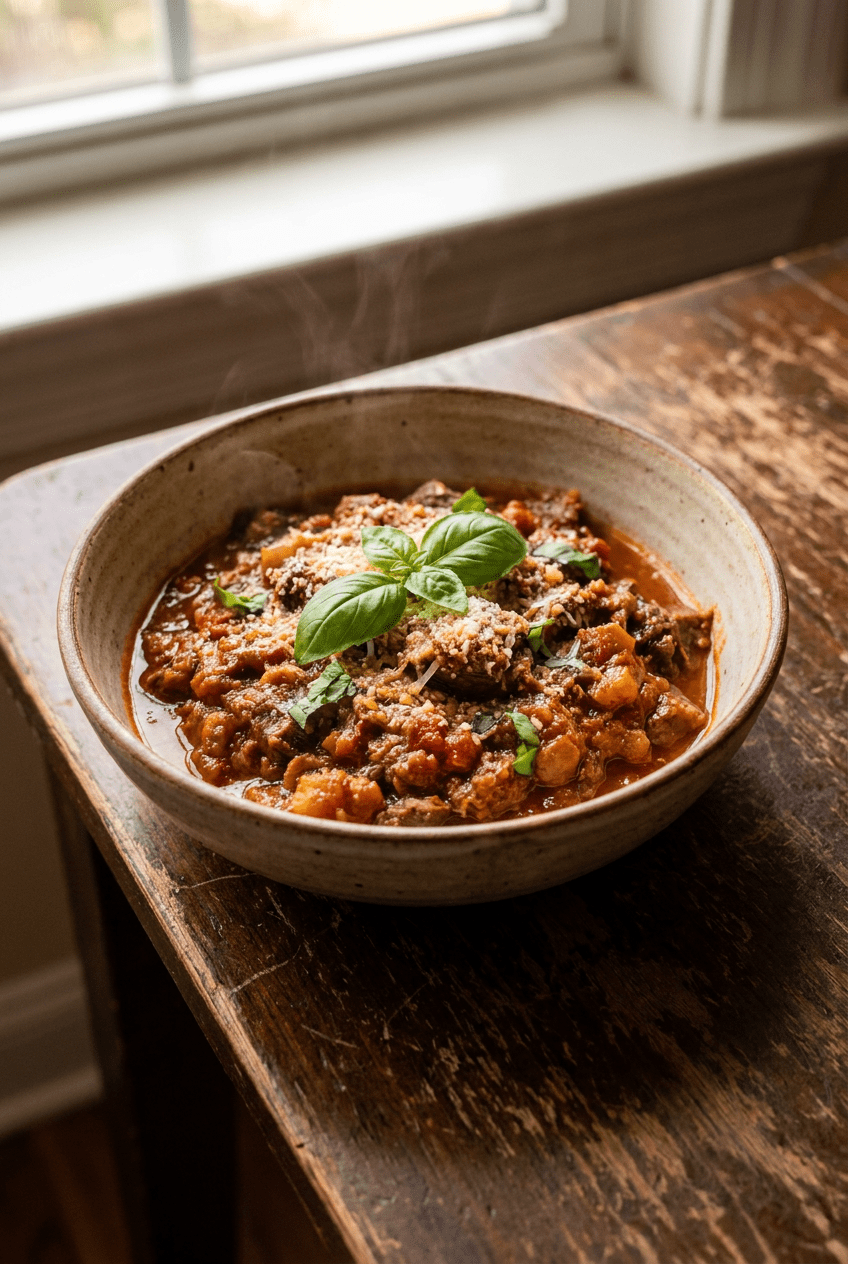
Table of Contents
- Classic Italian Beef Ragu: A deeply comforting Italian beef ragu with tender shredded beef in a wine kissed tomato sauce, perfect over pasta for a cozy dinner.
- Why You Will Love This Classic Italian Beef Ragu Recipe
- Your Simple Ingredients for the Perfect Classic Italian Beef Ragu
- How to Make Perfect Classic Italian Beef Ragu
- Pro Tips and Easy Variations for Your Classic Italian Beef Ragu
- Serving Suggestions
- Nutrition Information
- Storage and Make-Ahead Instructions
- Your Classic Italian Beef Ragu Questions Answered
- More Incredible Italian Recipes to Try
- The Story Behind This Recipe
- Pin This Recipe for Later
Classic Italian Beef Ragu: A deeply comforting Italian beef ragu with tender shredded beef in a wine kissed tomato sauce, perfect over pasta for a cozy dinner.
The first time I tasted a true Italian beef ragu I was sitting at my grandmother’s worn kitchen table on a rainy Sunday, the windows fogged from a pot that had been murmuring on the stove since morning. That intoxicating scent of slowly bubbling wine, tomatoes, and garlic filled the entire house like a warm hug. My job was to tear fresh basil and grumble about how long it took, but Nonna would simply smile and say that good things come to those who wait. This classic Italian beef ragu recipe holds that same lesson. It isn’t a quick weeknight scramble. It’s a deliberate, almost meditative process where you give each ingredient the time it needs to release its full potential, and the reward is a pot of deeply savory, spoon tender beef cloaked in a glossy sauce that sticks to wide ribbons of pappardelle in the most beautiful way.
What makes this version different from all the others you might have seen is its commitment to simple, honest technique. There are no shortcuts, no complicated spice blends, no trendy ingredients. We rely on a perfectly seared crust on the beef, a patient slow simmer, and the transformative power of a forgotten Parmesan rind that melts into the sauce, adding a subtle nuttiness and richness you can’t quite place but would certainly miss if it were gone. The soffritto, that holy trinity of onion, carrot, and celery, is diced so finely it practically disappears, thickening the sauce naturally while contributing sweetness and depth. Every step, from deglazing with a bold red wine to letting the ragu rest off the heat so the flavors can fully meld, is there for a reason, and together they coax out the absolute best from a humble chuck roast.
This dish is for the cozy evenings. It’s for the Sunday when the weather keeps you indoors and you crave something that simmers away while you read a book or finish a puzzle. It’s also an incredible option for hosting. You can make the entire ragu a day ahead, and in fact it tastes even better the next day. Ladled over al dente pasta with a generous snowfall of Parmesan, it becomes a centerpiece that makes people feel instantly cared for. And if you are looking for a completely different, yet equally comforting, sweet treat for those same chilly weekends, my fluffy Japanese souffle pancakes are a must try. But for now, let’s dive into this savory masterpiece that will fill your kitchen with the most glorious aroma.
Why You Will Love This Classic Italian Beef Ragu Recipe
- Deep, developed richness. Searing the beef creates a caramelized crust that builds the foundation of flavor for the entire sauce. Slowly simmering with wine, tomatoes, and a Parmesan rind yields a complexity you simply cannot rush.
- Fall apart tender meat. After two hours of gentle bubbling, the beef practically shreds itself with two forks. It absorbs all the herb infused tomato liquid while becoming impossibly soft.
- Make ahead magic. This ragu tastes even better the next day after a night of resting. You can prepare it entirely in advance and simply reheat while the pasta cooks, making dinner party hosting completely stress free.
- Perfect for any pasta. Wide pappardelle catches every bit of sauce, but it is equally wonderful with tagliatelle, rigatoni, or even a sturdy short pasta. The sauce clings beautifully no matter your choice.
- Freezer friendly comfort. Double the batch and stash half in the freezer for a ready made, incredibly satisfying meal on a hectic day. It reheats like a dream, tasting just as fresh as the day you made it.
- Impressively simple ingredients. No fancy hard to find items. You likely already have onion, carrot, celery, garlic, and tomatoes. All it takes is a good bottle of wine and a well marbled chuck roast to create something stunning.
Your Simple Ingredients for the Perfect Classic Italian Beef Ragu
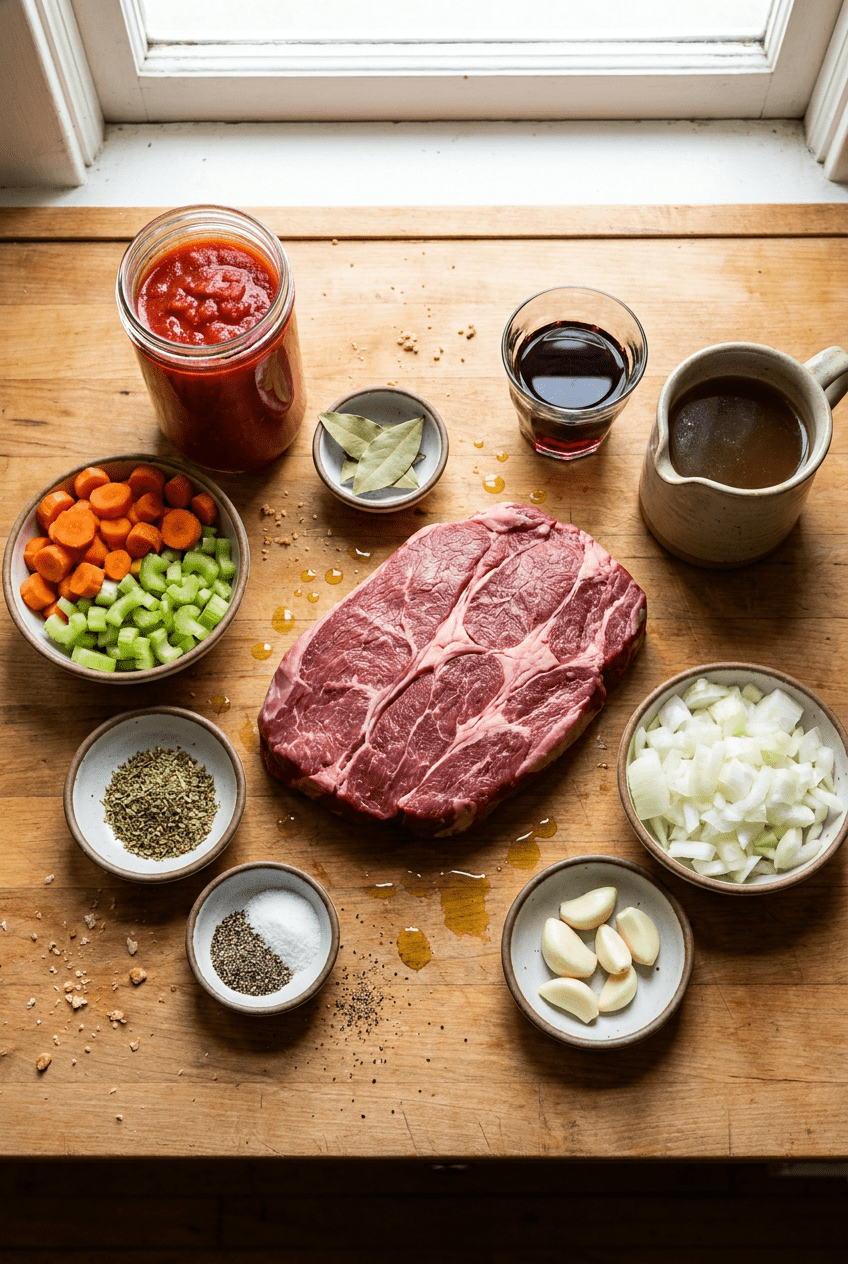
Main
- 2 lbs beef chuck roast, trimmed and cut into 2 inch chunks
- 2 tablespoons olive oil, divided
- 1 large yellow onion, finely diced
- 2 medium carrots, finely diced
- 2 stalks celery, finely diced
- 4 cloves garlic, minced
- 2 tablespoons tomato paste
- 1 cup dry red wine, such as Chianti or Cabernet Sauvignon
- 1 can (28 oz) crushed tomatoes, preferably San Marzano
- 1 cup beef broth, low sodium
- 2 bay leaves
- 1 sprig fresh thyme, or 1/2 teaspoon dried
- 1 piece (2 inch) Parmesan rind, optional, for extra richness
- salt and freshly ground black pepper, to taste
For Serving
- 1 lb pappardelle pasta, or tagliatelle
- freshly grated Parmesan cheese, for garnish
- fresh basil leaves, for garnish
Ingredient Notes
Beef chuck roast. This well marbled cut comes from the shoulder and is ideal for long, slow cooking. As it braises, the connective tissue breaks down into gelatin, making the meat buttery and tender. Look for a piece with good white fat streaks throughout. If you cannot find chuck, brisket or beef round roast will also work, though chuck yields the most reliable results.
Dry red wine. The wine does more than just add a fruity acidity; it deglazes the pot and lifts all those caramelized browned bits that hold incredible flavor. Opt for a wine you would actually enjoy drinking, like a Chianti or a Cabernet Sauvignon. Its tannins soften over the long simmer and meld into the sauce without any harshness. If you prefer not to use alcohol, you can substitute the wine with additional beef broth plus a tablespoon of balsamic vinegar for a similar depth.
San Marzano crushed tomatoes. These Italian plum tomatoes are prized for their sweet, low acidity flavor and minimal seeds. They cook down into a velvety sauce that doesn’t require hours of simmering to lose a tinny taste. If you can’t locate them, any high quality crushed tomato will do, but check the label for minimal added water or puree fillers. The tomatoes provide the ragu’s body and gentle sweetness.
Parmesan rind. This free ingredient, usually the hard outer edge of a wedge of Parmigiano Reggiano, is a secret weapon. As it simmers, it releases a subtle nutty umami note and adds body to the sauce. It does not melt entirely, so you fish it out before serving. If you do not have one, omit it and simply stir in a generous handful of grated Parmesan at the end for a similar savory boost.
Soffritto vegetables. Onion, carrot, and celery form the aromatic backbone of countless Italian dishes. Their fine dice ensures they melt into the sauce, simultaneously thickening and sweetening it. Take your time sautéing them until lightly golden; this step develops the first layer of flavor and should not be rushed.
How to Make Perfect Classic Italian Beef Ragu
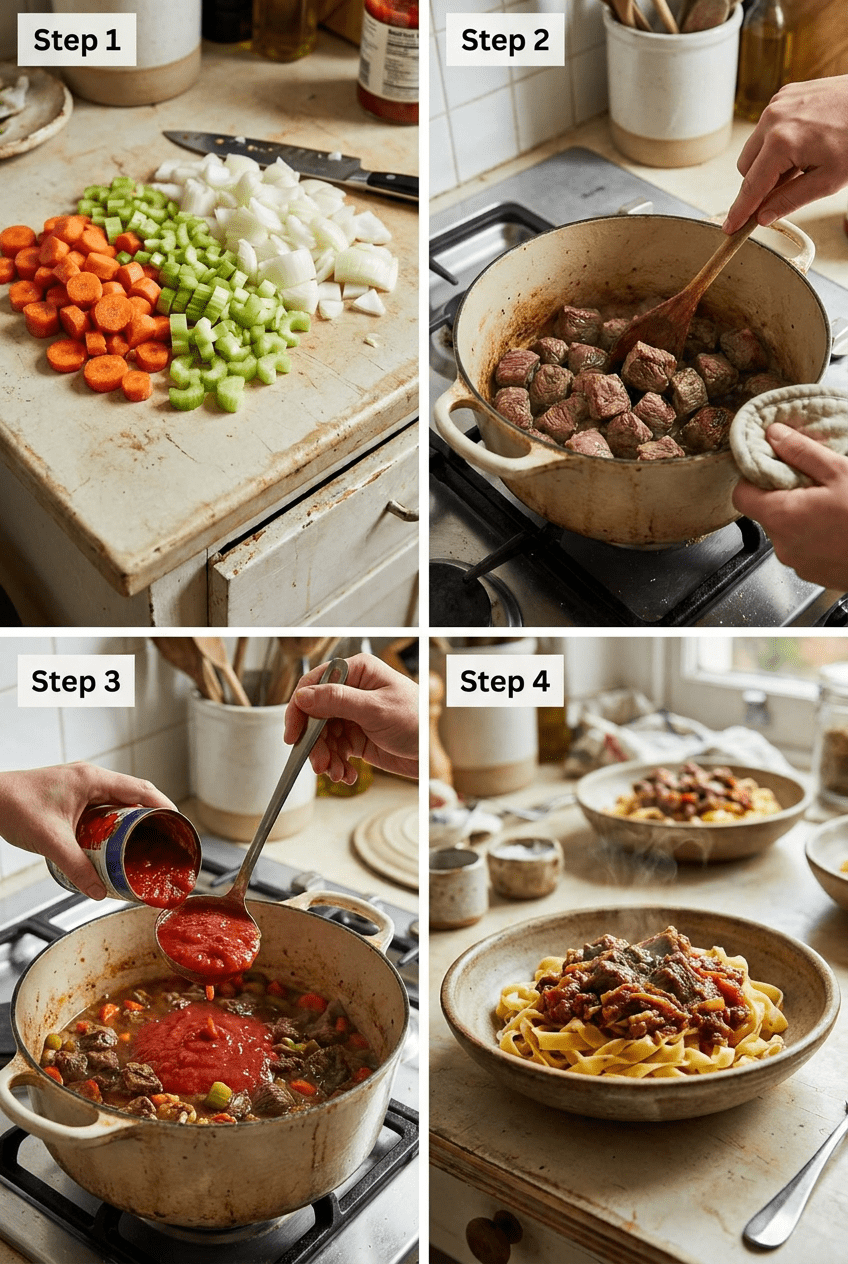
Phase 1: Sear and Build the Aromatic Foundation
Step 1: Sear the beef. Pat the beef chunks completely dry with paper towels. Any excess moisture will steam the meat instead of browning it. Season generously on all sides with salt and freshly ground black pepper. Heat one tablespoon of olive oil in a large, heavy bottomed Dutch oven over medium high heat until it shimmers. Working in batches so you do not crowd the pot, arrange a few chunks in a single layer and let them sear undisturbed until a deep, dark brown crust forms, about 3 to 4 minutes per side. When you flip them, they should release easily. Transfer the browned beef to a plate and repeat with the remaining meat. Pro tip: Listen for a strong sizzle the moment the meat hits the oil; if it is quiet, the pot is not hot enough and the crust will stick.
Step 2: Sauté the soffritto. Once all the beef is out of the pot, reduce the heat to medium. Add the remaining tablespoon of olive oil, then the finely diced onion, carrot, and celery. Stir everything together and cook, scraping the bottom gently with a wooden spoon to lift any stuck brown bits. After about 7 to 8 minutes the vegetables should be soft and lightly golden, with the onion translucent and the carrot and celery having lost their raw snap. Stir in the minced garlic and the tomato paste. Cook for just one minute until the mixture becomes intensely fragrant and the tomato paste darkens a shade. This toasting of the paste sweetens it and eliminates any raw tomato flavor. Pro tip: Keep the garlic moving. Burnt garlic turns acrid and bitter, ruining the sauce’s foundation, so count that minute carefully.
Step 3: Deglaze with wine. Pour in the cup of dry red wine, standing back a little as it will bubble up immediately. Use your spoon to vigorously scrape up every last bit of the brown fond from the bottom of the pot. Allow the wine to bubble and reduce until the strong alcohol smell disappears and the liquid is reduced by about half, roughly 3 minutes. The kitchen will smell wonderfully rich at this point. Pro tip: You are done reducing when you drag your spoon across the bottom and the liquid does not flood back immediately; a faint trail remains for a second.
Phase 2: The Long Slow Simmer
Step 4: Build the sauce and braise. Return the seared beef chunks and any juices that collected on the plate back to the pot. Pour in the crushed tomatoes and the beef broth. Tuck in the bay leaves, the sprig of fresh thyme, and the Parmesan rind if you have one. Stir gently to combine everything without breaking the beef. Bring the sauce to a full boil, then immediately cover the pot partially with the lid askew and reduce the heat to the lowest possible setting. You want the surface to barely quiver with a few lazy bubbles, not roll at a vigorous boil. Let it simmer like this, stirring occasionally to prevent sticking, for 2 to 2.5 hours. The beef is done when you poke it with a fork and it yields without resistance, and when tested with an instant read thermometer the center reaches at least 145°F (63°C). A similar dish that benefits from this kind of gentle, low braise is my Moroccan chicken tagine, where the slow cook coaxes out every layer of spice. Pro tip: The lid should be off center just enough to let steam escape and the sauce to concentrate slightly, but not so much that the liquid evaporates too fast. Check every 30 minutes and add a splash of hot water or broth if the sauce looks dry.
Step 5: Shred and finish the sauce. Using tongs, remove the bay leaves, the thyme stem, and the Parmesan rind. With two forks, shred the tender beef right in the pot, pulling it apart into bite sized pieces. Stir the shredded meat back through the sauce. If the sauce appears thinner than you would like, turn the heat up to medium low and simmer uncovered for 15 to 20 minutes, stirring occasionally, until it reaches a thick, almost velvety consistency that mounds on the spoon. Pro tip: For an even smoother texture, you can briefly hit a cup of the sauce with an immersion blender away from the meat and stir it back in. This creates a silky body that clings to pasta beautifully.
Phase 3: Finish and Serve
Step 6: Toss with pasta. Taste the ragu and adjust the salt and pepper to your liking. Remove the pot from the heat and let it rest for 10 minutes. While it rests, bring a large pot of generously salted water to a boil and cook the pappardelle until al dente according to the package directions. Before draining, reserve about half a cup of the starchy pasta water. Drain the pasta and return it to its pot. Ladle over a generous amount of ragu, as much as you like, and toss together well, adding a splash of the reserved pasta water if needed to loosen the sauce and help it embrace every noodle. Pro tip: The starchy water is not just liquid; it creates a glossy emulsion between the pasta and the sauce, so do not skip it.
Pro Tips and Easy Variations for Your Classic Italian Beef Ragu
Pro Tips
- Sear in batches without crowding. Overlapping meat creates steam and prevents the all important brown crust from forming. Give each chunk ample space, and resist the urge to move them before they release naturally.
- Use a heavy pot for even heat. A Dutch oven or enameled cast iron pot distributes heat gently and evenly, reducing the risk of scorching on the bottom during the long simmer. Thin pots can create hot spots that burn the sauce.
- Do not rush the wine reduction. Letting the alcohol cook off completely prevents any sharp or boozy taste in the final sauce, leaving only the wine’s fruit and acidity to complement the tomatoes.
- Add the Parmesan rind early. The longer the rind simmers, the more umami and body it imparts. Even a small, dry looking chunk will work wonders if given the full cooking time.
- Rest the ragu before serving. A brief rest off the heat lets the proteins settle and the sauce thicken slightly. It also gives you the perfect window to boil your pasta and grate the cheese.
Delicious Variations
- Short rib ragu. Replace the chuck roast with 2 pounds of bone in beef short ribs. Brown them thoroughly and simmer until the meat is so tender it falls off the bone. Remove the bones and shred the meat for an incredibly rich, gelatinous sauce.
- Classic Bolognese style. Use half beef chuck and half ground pork. Brown the ground pork after the soffritto and before deglazing with wine, then proceed with the recipe. This creates a finer, smoother ragu reminiscent of traditional Bolognese.
- Mushroom and herb ragu. Add 8 ounces of chopped cremini mushrooms when sautéing the vegetables. Their earthy flavor deepens the sauce and adds a wonderful meaty texture. Finish with a handful of chopped fresh parsley alongside the basil.
- Spicy arrabbiata twist. Stir in half a teaspoon of red pepper flakes with the garlic and tomato paste for a gentle heat that wakes up the entire dish without overpowering the beef.
For a sweet breakfast that shares that same feeling of homemade comfort, I often turn to my blueberry lemon ricotta pancakes. They come together quickly and fill the kitchen with a sunny, buttery aroma.
Serving Suggestions for a Perfect Dinner
Toss this classic Italian beef ragu generously with wide pappardelle noodles, letting the ribbons fold into the sauce until each one is completely coated. Mound the pasta in shallow bowls, then finish with a generous shower of freshly grated Parmesan and a few torn basil leaves. A simple side of garlic rubbed crostini or a crisp green salad dressed with lemon and olive oil balances the meal beautifully. For wine, pour the same Chianti you used in the sauce. Its cherry notes and lively acidity cut through the richness perfectly. If you are feeding a crowd, double the recipe and keep the ragu warm in the pot on low heat while guests serve themselves family style.
This dish is made for cozy Sunday dinners around the table, but it is also elegant enough for a special celebration. I have brought it to potlucks where it stayed hot in a slow cooker and vanished before any other dish. Serve it as the centerpiece of a relaxed Italian inspired feast alongside a platter of antipasti, a loaf of crusty bread, and a simple dessert like panna cotta. Because the ragu improves with time, it is a host’s secret weapon for effortless entertaining.
Nutrition Information
(Approximate per serving, 6 servings total) Calories: 380, Fat: 18g, Carbohydrates: 11g, Protein: 38g, Fiber: 2g, Sodium: 480mg. Nutritional values are estimates only.
Storage and Make-Ahead Instructions
- Refrigerator: Allow the ragu to cool completely, then transfer it to an airtight container. It will keep in the refrigerator for up to 4 days. The sauce often tastes even richer after a day or two as the flavors meld further.
- Freezer: Spoon cooled ragu into freezer safe containers or heavy duty freezer bags, leaving a little space for expansion. Seal tightly, label with the date, and freeze for up to 3 months. For best texture, freeze the ragu without pasta and cook fresh pasta when reheating.
- Reheating: Thaw frozen ragu overnight in the refrigerator. To reheat, place it in a saucepan over medium low heat with a splash of water or beef broth to loosen it, stirring occasionally until warmed through. Alternatively, microwave individual portions in 1 minute intervals, stirring between each.
- Make-Ahead: The entire ragu can be prepared 1 to 2 days in advance. Cool and refrigerate, then reheat gently on the stovetop while the pasta boils. The resting time only deepens the flavor, making this the ultimate make ahead dinner party dish.
Your Classic Italian Beef Ragu Questions Answered
Can I make this ragu in a slow cooker?
Yes, this recipe adapts beautifully to a slow cooker. Sear the beef and sauté the soffritto with garlic and tomato paste as directed, then deglaze the pan with the wine, letting it reduce slightly. Transfer everything to a slow cooker, add the crushed tomatoes, broth, herbs, and Parmesan rind, and cook on low for 6 to 8 hours or on high for 3 to 4 hours, until the beef shreds easily.
How can I thicken the sauce if it is too thin?
Simmer the ragu uncovered for the last 20 to 30 minutes of cooking to evaporate excess liquid. You can also use a fork to mash some of the softened soffritto vegetables against the side of the pot, which naturally thickens the sauce without adding any starch.
Can I use a different cut of beef?
Absolutely. While beef chuck roast is the classic choice for its marbling and tenderness, brisket or round roast also work well. For the most decadent result, try bone in beef short ribs and simmer until the meat easily slips off the bone.
How do I know when the beef is done?
The beef is finished when it yields completely to a fork and shreds with almost no effort. If you are checking temperature, an instant read thermometer should read 145°F at the center, but texture is your best guide. If the meat resists shredding, give it another 20 to 30 minutes of gentle simmering.
What is the best pasta for this ragu?
Wide, flat noodles like pappardelle or tagliatelle are traditional because their broad surface area catches the chunky sauce beautifully. However, sturdy short pastas like rigatoni or paccheri are also delightful choices that trap bits of meat in their ridges.
Can I make this ragu gluten free?
Yes, the sauce itself contains no gluten, so simply serve it over your favorite gluten free pasta. Be sure to check that your beef broth and crushed tomatoes are certified gluten free, as some brands may use additives.
Is it necessary to use wine?
Wine adds complexity and acidity that balances the richness of the meat, but you can substitute it with an equal amount of additional low sodium beef broth and one tablespoon of balsamic vinegar. The vinegar helps replicate some of that brightness.
How should I store leftovers?
Cool the ragu to room temperature and store in an airtight container in the fridge for up to 4 days. For longer storage, freeze for up to 3 months. Reheat gently on the stovetop with a splash of water to restore the original consistency.
More Incredible Italian Recipes to Try
If the deep, savory warmth of this beef ragu speaks to your soul, you will likely adore other classic Italian dishes built on the same patient, slow cooked philosophy. Consider a rich, layered lasagna Bolognese, where tender homemade pasta sheets cradle a meaty sauce and creamy béchamel. Or for a quicker pasta fix, a simple spaghetti aglio e olio lets just a handful of ingredients shine through the perfect marriage of garlic, olive oil, and parsley.
When you want to explore beyond pasta, a traditional osso buco served over saffron risotto is another showstopper that fills the house with an unmistakable aroma. And for something to serve at the end of a beautiful dinner, a classic tiramisu made with freshly brewed espresso and whipped mascarpone is the ultimate no bake dessert. Each of these recipes carries that same comforting spirit that makes an evening feel truly special.
The Story Behind This Classic Italian Beef Ragu
Ragu is one of those dishes that feels ancient yet continues to evolve in kitchens across Italy. In Bologna, the ragu alla Bolognese that many of us think of is actually a finely textured, milk enriched sauce distinct from this heartier, meatier version. The roots of the shredded beef ragu we are making today trace back to the rustic cucina povera, where tough, affordable cuts of meat were transformed through long, gentle cooking into something magnificent. Families would leave a pot on the back of the stove all day, using the rendered fat and marrow to create a deeply flavored sauce that stretched to feed many.
My own version borrows from that tradition while pulling in memories of simmering pots in my family’s kitchen. I remember watching my grandmother use the heel of a Parmesan wedge like it was a treasure, never wasting a single bit. That simple act of adding the rind felt like
Classic Italian Beef Ragu
Ingredients
Method
- Pat beef chunks dry with paper towels and season generously with salt and pepper. Heat 1 tablespoon olive oil in a large Dutch oven over medium-high heat. Working in batches, add beef and sear until deeply browned on all sides, about 3-4 minutes per side. Transfer browned meat to a plate.
- Reduce heat to medium. Add remaining 1 tablespoon olive oil to the pot. Add onion, carrots, and celery, and cook, stirring occasionally, until softened and lightly golden, about 7-8 minutes. Stir in garlic and tomato paste and cook for 1 minute until fragrant.
- Pour in the red wine, scraping up all the browned bits from the bottom of the pot with a wooden spoon. Simmer until the wine reduces by half, about 3 minutes.
- Return the seared beef and any accumulated juices to the pot. Add crushed tomatoes, beef broth, bay leaves, thyme, and Parmesan rind if using. Stir to combine. Bring to a boil, then reduce heat to a low simmer. Cover partially and cook for 2 to 2.5 hours, stirring occasionally, until the beef is fall-apart tender and reaches a safe minimum internal temperature of 145°F (63°C).
- Remove the bay leaves, thyme sprig, and Parmesan rind. Use two forks to shred the beef directly in the pot into bite-sized pieces. Stir to incorporate into the sauce. If the sauce seems thin, simmer uncovered for 15-20 minutes until thickened to your liking.
- Taste the ragu and adjust salt and pepper. Let it rest off heat for 10 minutes. Meanwhile, cook pappardelle according to package directions until al dente. Drain, reserving 1/2 cup pasta water. Toss the pasta with a generous amount of ragu, adding a splash of pasta water if needed. Serve in warm bowls topped with Parmesan and basil.
Disclosure: This post may contain affiliate links. If you purchase through our links we may earn a small commission at no extra cost to you.
If you made this Classic Italian Beef Ragu, please leave a comment below and let me know how it turned out.