Classic Homestyle Beef Stew Recipe, Easy American Dinner in 3 Hours
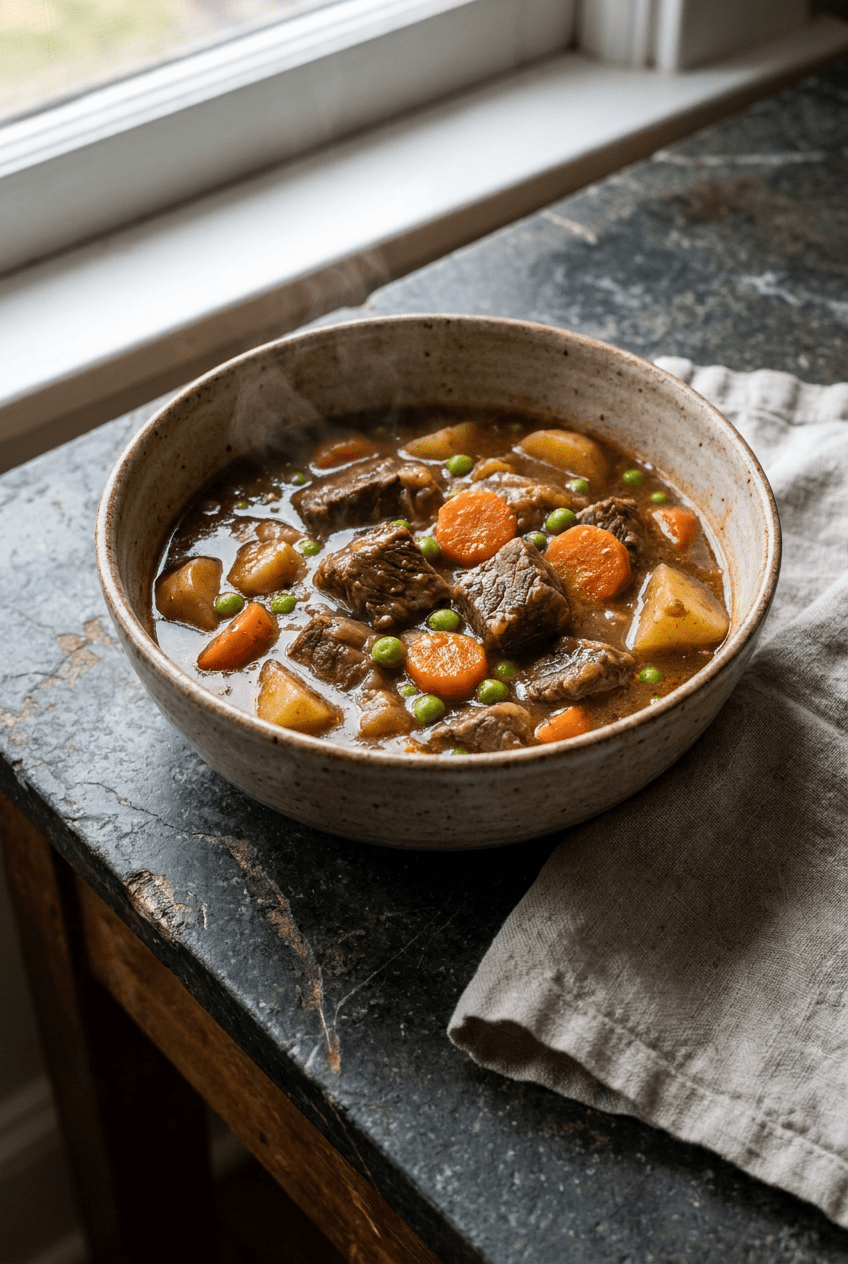
Table of Contents
- Classic Homestyle Beef Stew: A Deeply Comforting, Slow-Simmered Supper
- Why You Will Love This Classic Homestyle Beef Stew Recipe
- Your Simple Ingredients for the Perfect Classic Homestyle Beef Stew
- How to Make Perfect Classic Homestyle Beef Stew Recipe
- Pro Tips and Easy Variations for Your Classic Homestyle Beef Stew
- Serving Suggestions
- Nutrition Information
- Storage and Make-Ahead Instructions
- Your Classic Homestyle Beef Stew Questions Answered
- More Incredible American Recipes to Try
- The Story Behind This Recipe
- Pin This Classic Homestyle Beef Stew Recipe for Later
Classic Homestyle Beef Stew: A Deeply Comforting, Slow-Simmered Supper
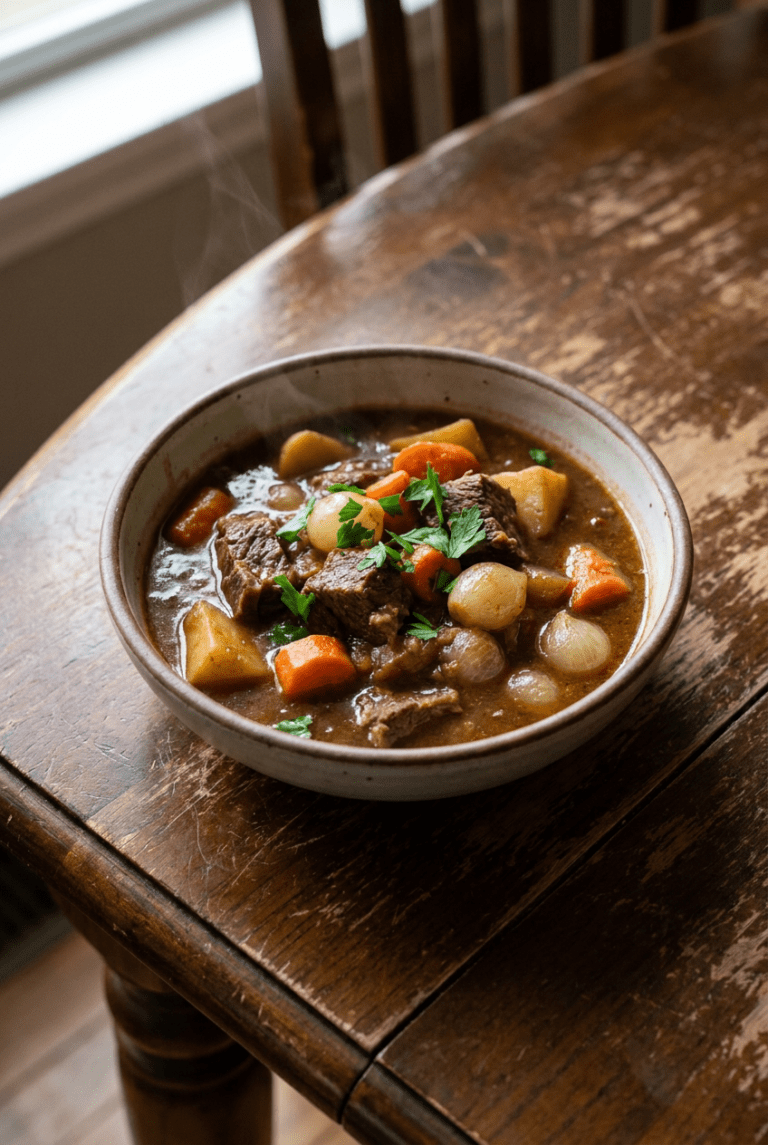
This classic homestyle beef stew recipe is the kind of meal that wraps around you like a favorite blanket on a chilly evening. I still remember standing on a stool beside my grandmother as a child, watching her cube the beef with careful, practiced hands while the kitchen filled with the scent of searing meat and the promise of something truly wonderful. She always said the secret was patience, and she was right. When you let the pot murmur gently on the stove for a couple of hours, the toughest cut transforms into something so tender you can cut it with a spoon. That memory, more than any written instruction, is what I pour into every batch I make.
What sets this particular beef stew apart is the small but mighty combination of techniques that build layer upon layer of flavor. We dredge the meat in flour before browning, which not only helps create a rich, dark crust but also naturally thickens the broth as it simmers. The tomato paste gets caramelized with the aromatics, deepening its savory backbone. A splash of Worcestershire sauce and a pair of bay leaves weave in that unmistakable umami that you just cannot get from salt alone. Every vegetable is added at exactly the right moment so it holds its shape and texture while absorbing all the beefy goodness. This is not a quick weeknight toss together, it is a methodical, soul satisfying process that rewards you with a deeply velvety stew.
This is the dish you make when you want to slow down, when the weather turns cool and the house feels too quiet, when you need the kind of meal that lingers on the table long after the bowls are empty. It is perfect for Sunday suppers with the family, for doubling and sharing with a neighbor, or for meal prepping a week of cozy lunches. Just like a plate of fluffy Japanese souffle pancakes can turn an ordinary morning into a celebration, this stew transforms a simple dinner into an event to look forward to. Whether you are a seasoned home cook or someone who has never picked up a Dutch oven, I promise this recipe will become a trusted favorite.
Why You Will Love This Classic Homestyle Beef Stew Recipe
- Deep, soulful beef flavor. Every spoonful tastes like it simmered all day, thanks to the careful browning and caramelized tomato paste. The broth is rich and velvety, with a savory intensity that only comes from cooking low and slow.
- Melt in your mouth tender meat. Using well marbled beef chuck means the collagen gently breaks down into gelatin, giving you pieces that practically fall apart. There is no chewing required, just pure, fork tender perfection.
- Hearty, perfectly cooked vegetables. Carrots, celery, and potatoes are added at just the right time so they stay distinct and satisfying, never mushy. Each chunk soaks up the broth while still holding its own shape and flavor.
- One pot, minimal cleanup. Everything happens in a single Dutch oven, from searing to simmering. You get a complete meal without juggling multiple pans, and the only thing left to wash is your bowl and spoon.
- Make ahead magic. This stew actually improves after a day in the refrigerator, making it an ideal candidate for meal prep or entertaining. Reheat it gently and the flavors are even more harmonious than when you first pulled it from the stove.
- Foolproof for any cook. While the cooking time looks long, the active work is straightforward and forgiving. As long as you follow the basic sear and simmer steps, you will end up with a stew that tastes like you have been cooking for decades.
Your Simple Ingredients for the Perfect Classic Homestyle Beef Stew
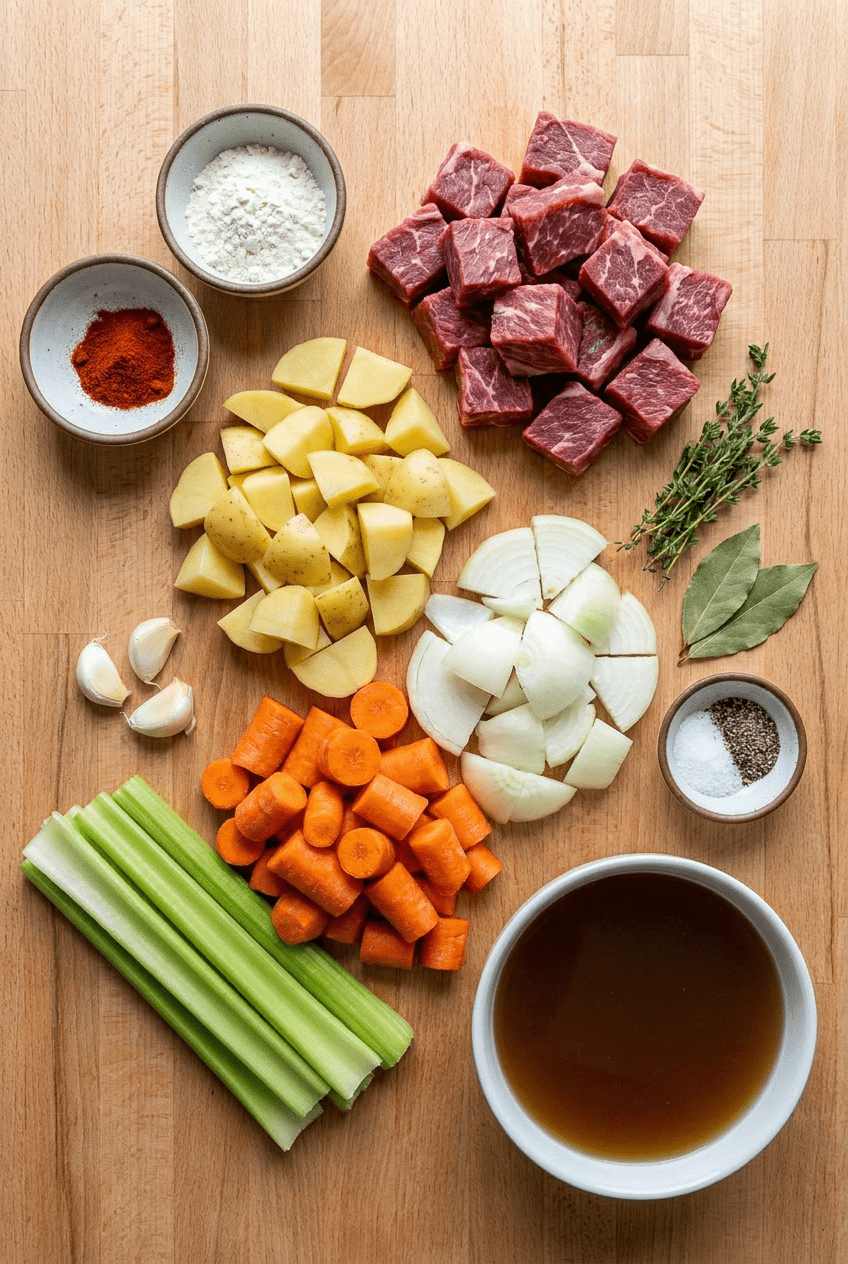
For the Beef
- 2 ½ pounds beef chuck, cut into 1½-inch cubes
- 1 teaspoon salt
- ½ teaspoon black pepper
- ⅓ cup all-purpose flour, for dredging
For the Stew
- 3 tablespoons olive oil, divided
- 1 large yellow onion, chopped
- 3 cloves garlic, minced
- 3 tablespoons tomato paste
- 4 cups low-sodium beef broth
- 2 tablespoons Worcestershire sauce
- 2 sprigs fresh thyme, or 1 teaspoon dried
- 2 bay leaves
- 4 medium carrots, peeled and cut into 1-inch chunks
- 3 stalks celery, cut into 1-inch pieces
- 1 pound Yukon Gold potatoes, scrubbed and cut into 1-inch chunks (peeled if desired)
- to taste salt and pepper
- 2 tablespoons fresh parsley, chopped, for garnish
Ingredient Notes
Beef chuck. Chuck is the powerhouse of a good stew, loaded with connective tissue that melts into luscious gelatin during the long simmer. Look for pieces with plenty of white marbling running through the red meat. If you cannot find chuck, brisket or bottom round will work, though chuck remains the gold standard for tenderness.
All-purpose flour. A light coating of flour on the beef serves two purposes: it helps develop that deep brown crust during searing and gently thickens the broth as the stew cooks. For a gluten free option, skip the flour and thicken at the end with a cornstarch slurry.
Olive oil. A standard olive oil, not extra virgin, works best here because of its higher smoke point. You can substitute avocado oil or vegetable oil without changing the flavor.
Yellow onion and garlic. These aromatics form the flavor base. Yellow onion mellows beautifully over time, becoming sweet and savory. Do not rush the chopping; small, even pieces cook evenly and disappear into the broth.
Tomato paste. Caramelizing the tomato paste in the pot before adding liquid deepens its natural sweetness and adds a rich, almost roasted note. Avoid using tomato sauce, it is too watery and does not concentrate the same umami punch.
Low-sodium beef broth. Using a reduced sodium broth lets you control the salt level from beginning to end. As the stew reduces, regular broth can become overly salty. Homemade broth is wonderful, but a quality store bought low sodium version works beautifully.
Worcestershire sauce. This fermented condiment adds a complex layer of savory, tangy depth. Even a small amount makes a noticeable difference. For a soy free alternative, coconut aminos makes a decent swap.
Fresh thyme and bay leaves. These are subtle but essential background players. Fresh thyme gives a gentle woodsy note, while bay leaves contribute a faint tea-like aroma that ties everything together. Remove them before serving so no one bites into a bay leaf.
Yukon Gold potatoes. Their buttery texture and thin skins hold up beautifully in a long stew, unlike starchy russets which can disintegrate. If you prefer a thicker broth, you can gently mash a few potato chunks against the side of the pot at the end.
How to Make Perfect Classic Homestyle Beef Stew Recipe
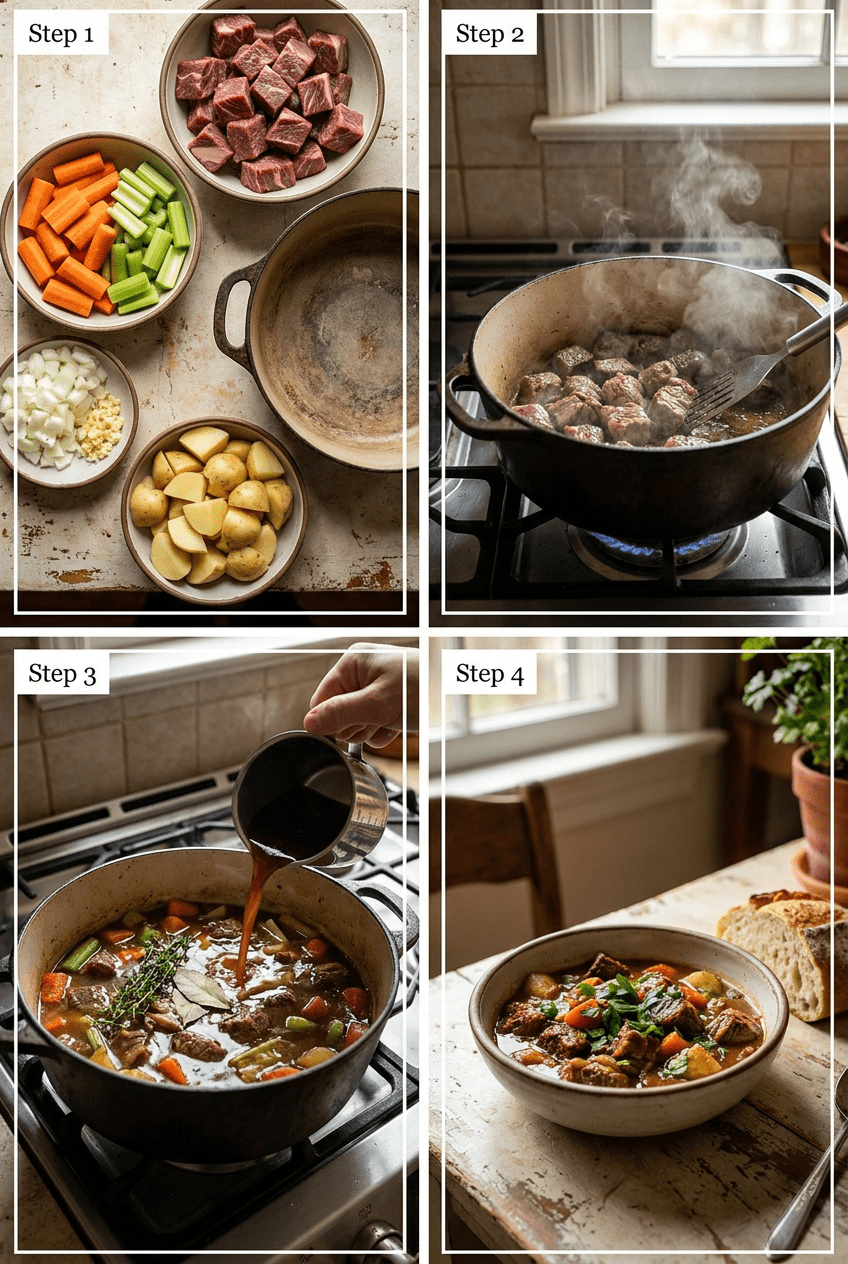
Phase 1: Sear the Beef for Deep Flavor
Begin by patting the beef cubes very dry with paper towels. Any surface moisture will cause the meat to steam rather than sear, so do not skip this step. Season the beef generously with salt and pepper, then toss the pieces in the flour until they are lightly coated on all sides. Shake off any excess flour, leaving just a fine, even layer. Heat 2 tablespoons of olive oil in a large Dutch oven or heavy bottomed pot over medium-high heat. When the oil shimmers, add the beef in a single layer, being careful not to crowd the pieces. You should hear a loud sizzle immediately. Let the meat cook undisturbed for 3 to 4 minutes, then check for a deep, mahogany brown crust before flipping. Sear each batch on all sides, then transfer the browned beef to a plate. The little browned bits stuck to the bottom of the pot are pure flavor, leave them right there.
Phase 2: Build the Rich Broth
Reduce the heat to medium and add the remaining tablespoon of olive oil. Toss in the chopped onion with a pinch of salt and cook, stirring now and then, until the pieces soften and turn translucent, about 5 minutes. Add the minced garlic and cook for just one minute more, just until fragrant. Stir in the tomato paste and let it cook for a full 2 minutes, allowing it to darken slightly and caramelize against the bottom of the pot. This step transforms the paste from flat and acidic to deep and savory. Pour in a splash of the beef broth and use a wooden spoon to scrape up every bit of the browned fond. Then add the rest of the broth, the Worcestershire sauce, thyme sprigs, and bay leaves. Return the seared beef and any juices that collected on the plate back to the pot. The liquid should just barely cover the meat.
Phase 3: Slow Simmer and Finish with Vegetables
Bring the stew to a boil, then immediately reduce the heat to low so the surface barely bubbles. Cover the pot with a lid and let it simmer gently for 1 hour and 30 minutes. You want a few lazy bubbles, not a rolling boil, as aggressive heat can toughen the meat. After this time, the beef should be starting to yield when pierced with a fork. Stir in the carrots, celery, and potatoes, then cover the pot again and continue simmering for another 30 to 40 minutes. The vegetables will become fork tender and the beef will soften to that glorious melt in your mouth texture. This low and slow approach is the same principle I use for a fragrant Moroccan chicken tagine, time is the secret ingredient. When everything is tender, remove the bay leaves and thyme sprigs. Taste the broth and adjust the salt and pepper. If the broth is thinner than you would like, simply simmer uncovered for 5 to 10 minutes to reduce and concentrate the liquid. Ladle the stew into deep bowls and scatter fresh parsley over the top.
Pro Tips and Easy Variations for Your Classic Homestyle Beef Stew
Pro Tips
- Choose the right cut of beef. Look for chuck roast with abundant white marbling. That marbling melts into the broth, giving the stew a silky body and luxurious mouthfeel. Avoid lean cuts like sirloin or round, which can become dry and stringy no matter how gently you cook them.
- Brown the meat in batches. Crowding the pot causes the temperature to drop and the meat to steam instead of sear. Leave space between each cube and take the time to get a proper dark crust on every surface. That crust is where the deepest flavor lives.
- Simmer gently, never boil. A hard boil can seize the protein fibers and make the beef tough. Keep the liquid at a bare simmer, with just a few tiny bubbles breaking the surface, for the most tender result.
- Let it rest overnight. If you can, make the stew a day ahead and refrigerate it. The flavors marry and deepen as the ingredients sit together. The next day, the broth will taste richer and the vegetables more infused with savory goodness.
- Thicken to perfection. For a thicker stew without adding flour later, simply use the back of a spoon to mash a few potato chunks against the side of the pot and stir them back in. The potato starch will naturally thicken the broth without any extra ingredients.
Delicious Variations
- Red Wine Beef Stew. Replace 1 cup of the beef broth with a full bodied red wine such as Cabernet Sauvignon. Add the wine when deglazing the pot and let it reduce slightly before adding the remaining broth for a deeply complex, slightly tangy stew.
- Root Vegetable Twist. Swap half of the potatoes for parsnips or turnips. These roots bring a gentle sweetness and an earthy undertone that complements the beef beautifully while keeping the stew hearty.
- Slow Cooker Method. After searing the beef and sautéing the aromatics, transfer everything to a slow cooker. Cook on low for 7 to 8 hours or on high for 4 to 5 hours, adding the root vegetables during the last 2 hours so they stay perfectly tender.
- Herby Dumpling Topper. Instead of adding potatoes to the pot, drop spoonfuls of herbed biscuit dough on top of the simmering stew during the last 20 minutes of cooking. Cover and cook until the dumplings are fluffy and cooked through. For a completely different meal, this stew pairs wonderfully with pillowy blueberry lemon ricotta pancakes for a decadent brunch the next day.
Serving Suggestions for a Perfect Dinner
This stew is a meal in itself, but a few thoughtful sides can make it unforgettable. Serve it with thick slices of crusty artisan bread or warm buttermilk biscuits for sopping up every drop of the rich broth. A simple green salad dressed with a bright, lemony vinaigrette cuts through the richness and adds a fresh contrast. For an even heartier plate, ladle the stew over a mound of creamy mashed potatoes, skipping the potatoes in the pot, so you get that textural mix of velvety mash and chunky beef. A glass of robust red wine, like a Malbec or Syrah, or even a cold stout beer, complements the deep beef flavors beautifully.
This dish is tailor made for gatherings where comfort is the main course. I love to make a double batch when the extended family comes over, keeping it warm on the stove and letting everyone help themselves. It is also a wonderful meal to bring to a friend who needs a little care, just portion it into a sturdy container and tie a ribbon around a loaf of warm bread. For a complete meal, you do not need much more than the stew, but a simple apple crisp for dessert rounds out the evening with the same homey spirit.
Nutrition Information
(Approximate per serving, 6 servings total) Calories: 480, Fat: 22g, Carbohydrates: 32g, Protein: 38g, Fiber: 5g, Sodium: 650mg. Nutritional values are estimates only.
Storage and Make-Ahead Instructions
- Refrigerator. Cool the stew completely, then transfer it to an airtight container. It will keep well for up to 4 days. The potatoes may absorb a little more broth over time, so you might need to add a splash of water or broth when reheating.
- Freezer. Portion the cooled stew into freezer safe containers or heavy duty zip top bags. Leave a little headspace for expansion, then freeze for up to 3 months. Thaw overnight in the refrigerator before reheating.
- Reheating. Gently warm the stew on the stovetop over medium-low heat, stirring occasionally, until piping hot. You can also microwave individual portions in 2 minute bursts, stirring between each, until heated through.
- Make-Ahead. The entire stew can be made up to 2 days in advance and stored in the fridge. The flavor actually improves as it rests. If you plan to freeze, consider leaving the potatoes slightly underdone so they hold their shape better after thawing.
Your Classic Homestyle Beef Stew Questions Answered
Can I make this stew in an Instant Pot?
Yes, use the sauté function to sear the beef and aromatics as directed. Once the broth is in, pressure cook on high for 35 minutes with a natural release. Add the vegetables, then cook on high pressure for just 3 more minutes with a quick release to avoid overcooking them.
What is the best cut of beef for stew?
Chuck roast is ideal because of its high fat and connective tissue content. During the long simmer, those elements break down, making the meat incredibly tender and the broth silky and rich. Avoid lean cuts like sirloin or top round, which tend to dry out.
How do I fix a watery stew?
Remove the lid and let the stew simmer uncovered for 10 to 15 minutes to allow some liquid to evaporate. For a quicker fix, mix 1 tablespoon of cornstarch with 1 tablespoon of cold water, stir it into the bubbling stew, and simmer until the broth thickens.
Can I use a different type of potato?
Yukon Gold potatoes are recommended because they hold their shape well and have a buttery texture. If you use russet potatoes, they may break down and thicken the broth more than intended. For a slightly sweeter option, red potatoes work nicely too.
How do I know when the beef is done?
The beef is ready when a fork slides in and out with almost no resistance. If you can easily pull a piece apart with two forks, it has reached that melt in your mouth stage. The internal temperature will be well above 145°F, but tenderness is your real guide.
Can I add other vegetables?
Absolutely. Mushrooms, peas, or green beans can be stirred in during the last 15 minutes of simmering. Just be mindful of vegetables that cook quickly, as they can become mushy if added too early.
What if I do not have fresh thyme?
Dried thyme works perfectly, use about 1 teaspoon in place of the two fresh sprigs. You can also substitute a smaller amount of dried rosemary or a pinch of dried oregano, though the flavor profile will shift slightly.
How can I make this recipe gluten free?
Skip the flour dredging for the beef. At the end, if the stew needs thickening, make a slurry with 2 tablespoons of cornstarch and 2 tablespoons of cold water. Stir it in and simmer until the desired consistency is reached.
Can I double the recipe?
Yes, as long as your pot is large enough to comfortably hold everything without crowding. You may need to sear the beef in even more batches. The simmering time remains roughly the same, but the stew might take a little longer to come to a boil initially.
More Incredible American Recipes to Try
If the warmth of this classic homestyle beef stew recipe speaks to you, I think you will fall just as hard for a few other comforting favorites. A slow cooker pot roast with root vegetables follows the same low and slow philosophy, yielding fork tender beef and a rich gravy that begs to be spooned over mashed potatoes. Chicken and dumplings, with its creamy broth and pillowy dough, is another one-pot wonder that feels like a hug in a bowl on a cold day. Both capture that same sense of unhurried, old fashioned cooking that makes a kitchen feel like the heart of the home.
For something equally hearty but with a different flavor profile, a classic beef pot pie encases tender meat and vegetables in a flaky, golden crust, and it is always a hit at family dinners. And when you are craving a dish that balances savory and sweet,
Classic Homestyle Beef Stew
Ingredients
Method
- Pat beef cubes dry with paper towels. Season with salt and pepper, then toss with flour until evenly coated. Shake off excess flour.
- In a large Dutch oven or heavy pot, heat 2 tablespoons olive oil over medium-high heat. Working in batches, add beef in a single layer and sear until deeply browned on all sides, about 3-4 minutes per side. Transfer seared beef to a plate.
- Reduce heat to medium. Add the remaining 1 tablespoon oil, then onion and a pinch of salt. Cook until softened, about 5 minutes. Add garlic and cook 1 minute more. Stir in tomato paste and cook for 2 minutes to caramelize it slightly.
- Pour in a splash of beef broth and scrape up all the browned bits from the bottom of the pot. Add the rest of the broth, Worcestershire sauce, thyme, and bay leaves. Return the beef and any accumulated juices to the pot.
- Bring to a boil, then reduce heat to low, cover, and simmer gently for 1½ hours, or until the beef is just starting to become tender. Ensure the beef reaches an internal temperature of at least 145°F (63°C) for safety; for best tenderness, the stew will continue to cook to higher temperatures.
- Stir in carrots, celery, and potatoes. Cover and continue simmering for another 30-40 minutes, until vegetables are fork-tender and beef is melt-in-your-mouth soft.
- Discard bay leaves and thyme sprigs. Taste and adjust seasoning with salt and pepper. If the broth is too thin, simmer uncovered for a few minutes to thicken. Ladle into bowls, garnish with parsley.
Disclosure: This post may contain affiliate links. If you purchase through our links we may earn a small commission at no extra cost to you.
If you made this Classic Homestyle Beef Stew, please leave a comment below and let me know how it turned out.